
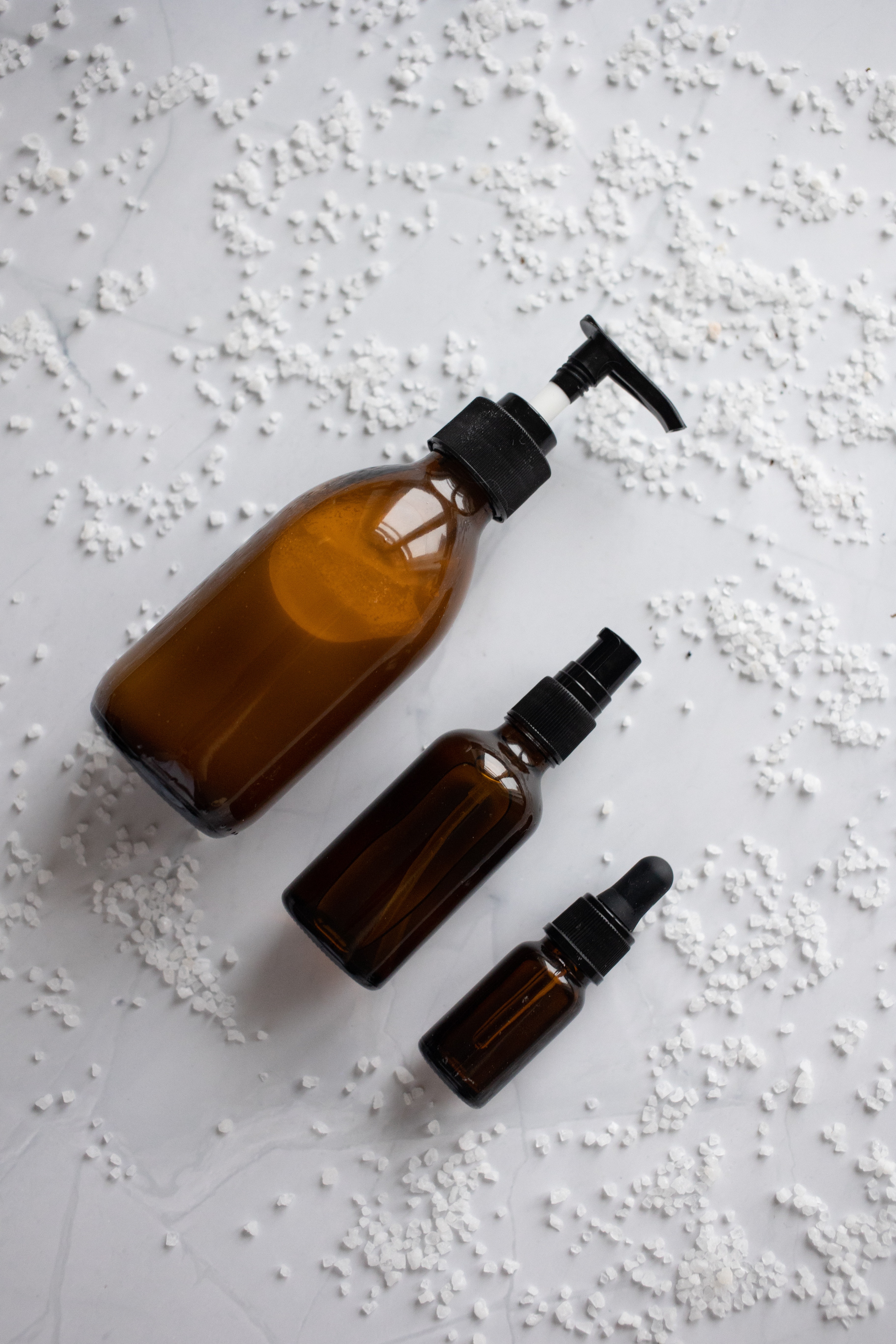
Your skin care routine just requires
only three items.
Do you want to start a skincare routine?
It might be difficult
to know where to begin. When you walk into a skin care store, every product
seems to match your face. Knowing which products are best for your skin type
might be difficult without causing an allergic reaction. Experts, on the other
hand, provide an honest approach to a decent skincare regimen.
This guide will help
you understand the three most important elements to include in your skincare
routine.
Steps to Implement in Your Skincare Routine
Experts recommend three
items to maintain a basic skincare routine. This includes a cleanser,
moisturizer, and sunscreen. A cleanser removes debris, makeup, dead skin cells,
and excess oil from the skin. A moisturizer maintains your skin's protective
barrier by keeping it silky and smooth. Finally, sunscreen protects against
skin cancer and UV damage to cosmetics.
According to Paul A.
Khavari, M.D., PhD, a professor of dematology at the faculty of Medicine at
Carl J. Herzog, there are times when many products are required. In this
situation, you should consult with your dermatologist for advice on how to use
the items. Skincare products include several ingredients that may cause adverse
reactions in your skin. You may also use a variety of items if you love them;
they will not burn or irritate your skin.
Even while there are no
inherent concerns with using a large number of skincare products as long as
they are not unpleasant, you should first combine these easy activities.
In the morning, you
wash your skin with a cleanser, then apply a moisturizer and sunscreen (or
combine the two with a moisturizer with a wide spectrum of about 30). At night,
you scrub your face with a cleanser before applying merely a moisturizer.
You should keep track
of how your skin reacts after applying skin care products. That is, immediately
after application and in the days that follow. For example, your skin may get
oily and break out. If your skin feels greasy after using a product, try using
a milder moisturizer.
If your skin gets dry
after applying an effect, use a thicker moisturizer. Furthermore, if you have
dry skin, you should cleanse and rinse it once a day. If your skin is mostly
oily, you can wash it more frequently. Specialists recommend that if your skin
is sensitive and irritating, you cease using skincare items that irritate your
skin, such as scents, and seek dermatologist counsel.
Do you wish for more?
After using the three
main items, your skin may still require more. For example, you might have
wrinkles and acne. Replace your cleanser with a light chemical exfoliant. If
you have acne, wrinkles, or sun damage, you can use a retinoid as part of your
treatment. You can also seek additional prescriptions from your dermatologist.
You should not,
however, apply various products on your skin at the same time. If many products
react negatively with your skin, you won't be able to determine which product
was to blame and vice versa. Furthermore, you must be patient in order to
attain your desired outcomes.
When Should You See a Dermatologist?
You consult with your
dermatologist.
After using skin care
products, you discover that none of them work for your skin.
If you're attempting to
treat a specific skin problem, such as acne.
If your skin doesn't
improve after using skin care products.
If the skin care
products you use have a negative reaction with your skin.
It would be great if
you spoke with a dermatologist who could assist you find out what's wrong with
your skin and suggest an appropriate treatment.
Finally, selecting a skincare product that works for your skin may need some trial and error, but you'll never know which is best unless you try.
Read: How to build a skin care routine






Leave a Reply