
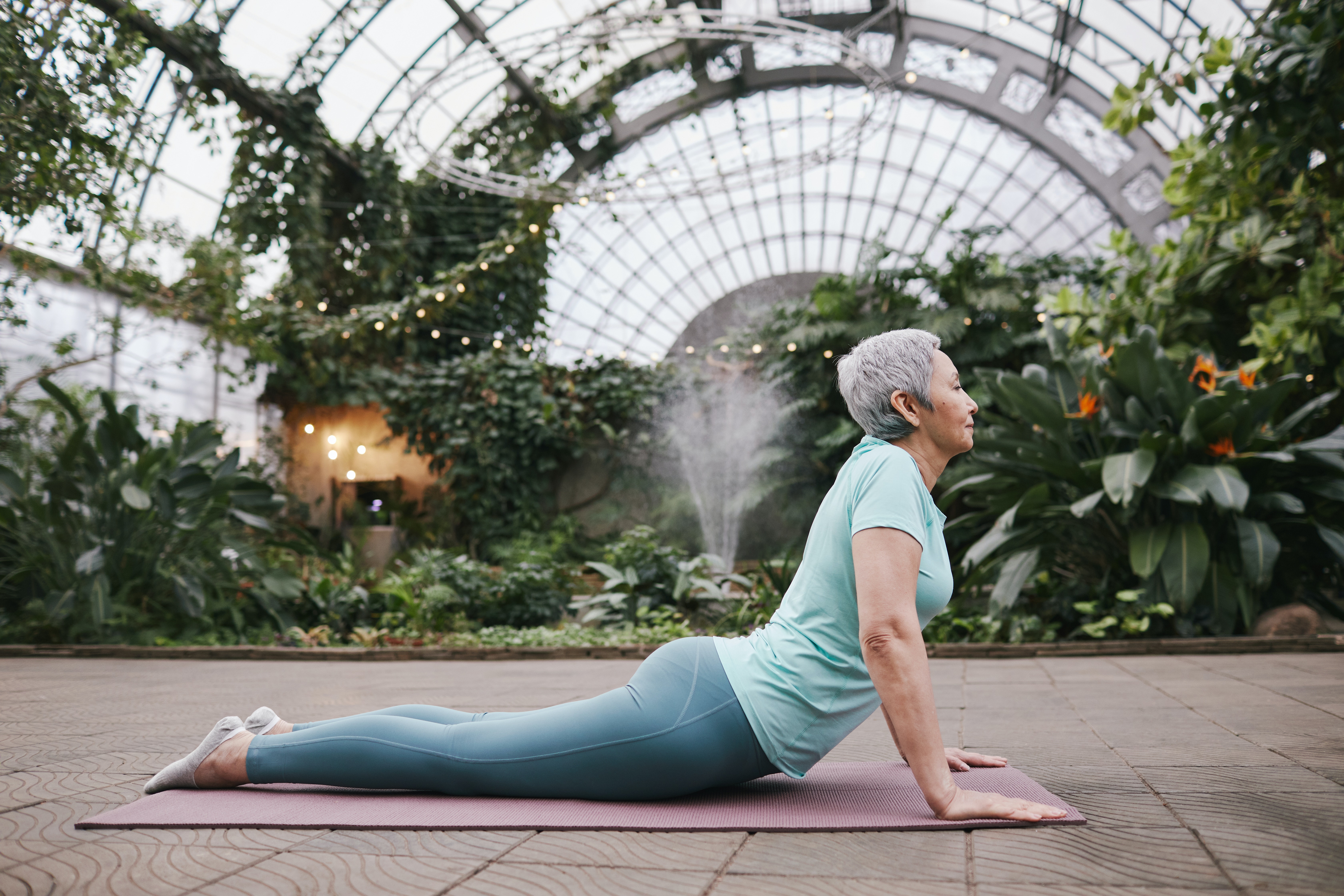
YEAR 2022 HEALTH AND FITNESS STRATEGIES
1. Create Routes That Are Activity-Friendly
With activity-friendly
routes, you can make it easier to promote walking and biking in your community.
People will be more likely to choose to be active if sidewalks, trails, and
bicycle lanes are easily connected to public transportation stops, grocery
stores, schools, and workplaces. Routes that encourage walking and biking to
popular destinations make travel safer and more accessible. People of all
abilities can use safe routes to get to their destinations while getting some
fresh air and exercise. While creating safe routes to all major destinations
may appear to be a daunting task, there are some routes that should be
prioritized. Routes from residential areas to nearby schools and health care
facilities are a good place to start. Create paths to parks as well as other
destinations such as grocery stores, neighborhoods, and workplaces.
2. Create School-Based Health, Nutrition, and Exercise Initiatives
School-based health
approaches encourage children to be physically active from an early age.
Comprehensive physical activity programs in schools can help to promote
physical activity before, during, and after school. Health initiatives:
School-based health centers can assist in meeting the complex health needs of
students. However, putting these programs in place can be difficult. To
facilitate collaboration between the school and health sectors, local
organizations and community members must work together. Students can also
benefit from health initiatives such as classes or workshops. Teach children
the connection between nutrition, exercise, and health.
Nutrition education:
Educating children about nutrition is an important step toward improving
community health. If children do not learn about nutrition at home, school is
the next best place for them to learn. Children should be taught the value of a
well-balanced diet and have access to healthy foods at lunchtime.
School-based exercise
programs can include a variety of components such as physical education
classes, recess, and classroom activities. Comprehensive physical education
classes provide children with the daily activity they require while also
teaching them new skills and ways to exercise. It should also be a priority to
encourage them to play during recess. Another excellent option is to implement
after-school activities. Sports programs can also help children stay active on
weekends by arranging for games or extra practices.
3. Create Community Gardens
Residents can grow
fruits, vegetables, and flowers in community gardens, which are open plots of
land. Healthy lifestyles can be promoted through community gardens in urban,
suburban, and rural areas. They promote healthy eating, exercise, and spending
time in nature. Gardening activities can also improve well-being by reducing
stress and increasing social contact. Healthy food: Community gardens make
healthy food more accessible. People can take pleasure in growing and eating
fresh produce. If there is an excess of produce, they can sell it or give it
away to increase the availability of local, healthy food for everyone in the
community. Physical activity is required to maintain a garden, from digging out
weeds to checking for pests and harvesting ripe produce. Access to community
gardens often leads to increased physical activity among youth and adults.
Community gardens
provide a variety of social and emotional benefits. People who visit the
gardens will form social bonds with other members of the community. Families
who garden together can strengthen their bonds. Food insecurity has been
reduced in some communities that have planted and maintained public gardens.
4. Initiate a Community Health Challenge.
Media campaigns that
encourage people to buy wellness products or improve their active lifestyles
can have a positive impact on populations. Promoting physical activity can be
as simple as using marketing strategies to motivate your community to make
healthy lifestyle changes. Competitions and challenges increase participation
by inviting friends and family members to participate.
5. Construct a Public Playground
Community playgrounds
provide numerous benefits. They provide a safe environment for children to
develop their emotional, cognitive, social, and physical skills. These
gathering places can also benefit older members of the community. Community
playgrounds are ideal places for kids to engage in cooperative and independent
play, which promotes social and cognitive development. Children learn how to
communicate, take turns, and resolve conflicts as they interact with others,
all while developing friendships. Unstructured play also allows for
decision-making and problem-solving. Children must choose which equipment to
use and which activities to participate in.
Offers an emotional
outlet: Children experience a wide range of emotions but do not always know how
to manage them. Active play can help children process their emotions and
relieve stress. Being outside in nature has emotional benefits as well, as it
can reduce feelings of depression and anxiety.
Playgrounds promote and
encourage creativity through imaginative or pretend play. Children can act out
fantasy stories using the equipment as props. They can make up stories about
themselves as knights, pirates, or even animals. Playsets with themes can make
imaginative play even more exciting!
Increases confidence:
Community playgrounds should be safe places for kids to push themselves and
learn new skills. Every time a child scales the climbing wall or crosses the
monkey bars, they gain confidence and learn what they are capable of. Children
will gain new skills and have increased self-esteem.
Builds community:
Community connections are just as important for adults as they are for
children. Parks and playgrounds can be places of gathering or relaxation for
friends, family, and neighbors. Both children and adults can experience a sense
of belonging.
Encourages physical activity: Physical activity is an important component of community health, and playgrounds are great places to get some exercise. Children can jump, climb, and play on the equipment. Adults can exercise as well if there is a walking path or fitness area nearby. Swing sets are fun for people of all ages!
Read: 9 muscle-building principles






Leave a Reply