
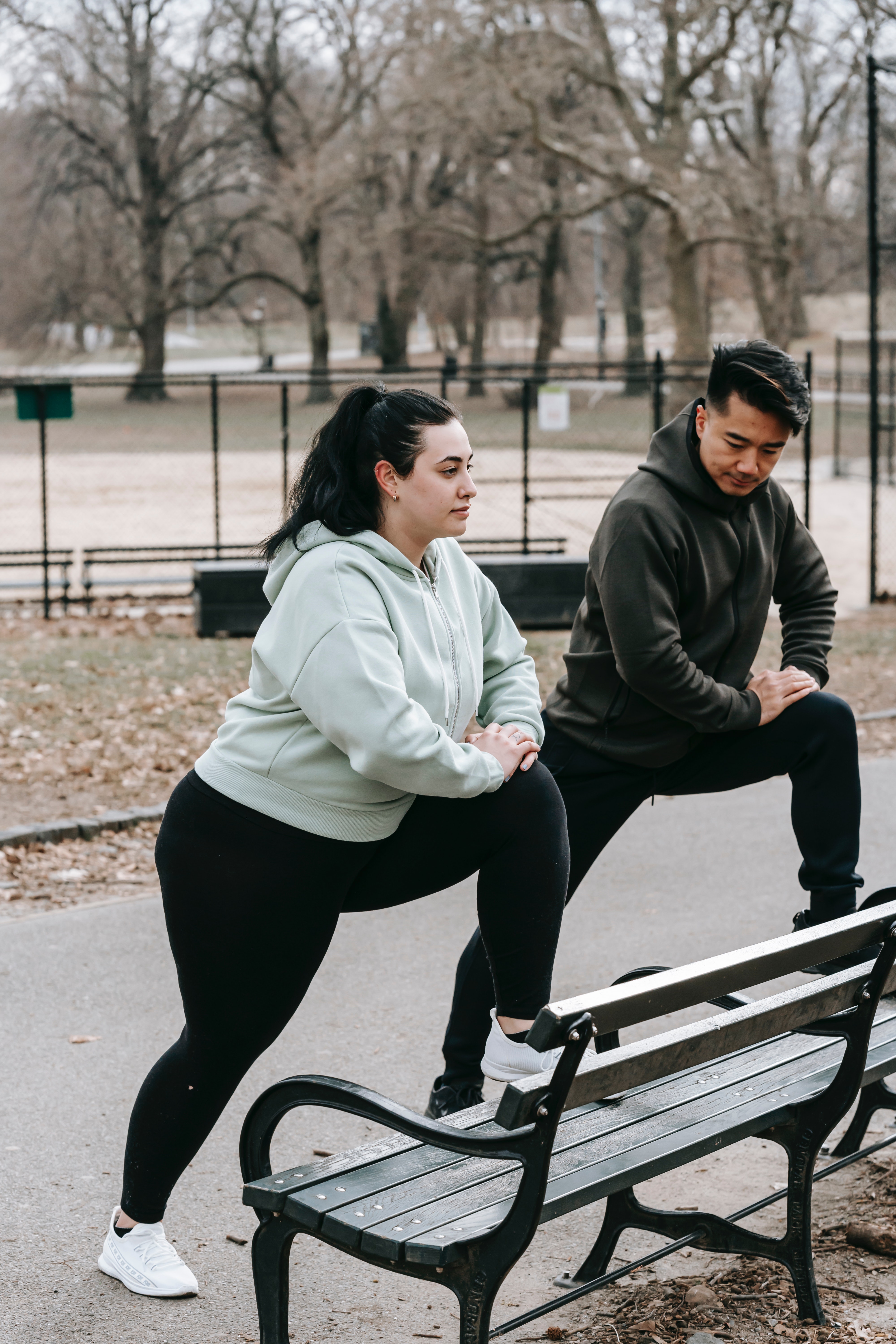
What is health-related fitness, and how can it benefit you?
Fitness, health, and self-care
are now more vital than ever. As the pandemic continues, people are feeling
overwhelmed and stressed. We require mobility to combat the bad impacts of our
existing circumstance.
We should all emphasize
health-related activity, but how can you get started and do it correctly?
This is where the
elements of physical fitness come into play.
What exactly is Health-Related Fitness?
Health-related fitness
encompasses all activities aimed at illness prevention and the promotion of
healthy body processes. The objective is to include exercises that will assist
you in losing weight, strengthening your body and immune system, improving your
mood, and increasing your energy levels.
Its significance extends
beyond physical health; it also aids in the maintenance of mental wellness.
Exercise not only serves to build the body and enhance coordination, but it
also aids in the elimination of depression.
An successful workout can
help you think more clearly and quickly, allowing you to solve issues and deal
with difficult circumstances more effectively.
What Is the Importance of
Evaluating Health-Related Fitness?
You must examine your
existing fitness level before beginning a new habit or beginning a new fitness
regimen. This will serve as a baseline and starting point for any activity you
intend to do. The evaluation will be used to establish your priorities and
activities. This assessment will also be used to guide your progress, making it
more measurable.
What are the 5 Health-Related Fitness Components?
Having a fitness plan is
beneficial. However, developing a training routine that addresses all of your
body's needs is far superior. Knowing the five components of health-related
fitness can provide you with regular exercise that will successfully minimize
your risk of heart disease, diabetes, and cancer. You may also take care of
your mental health and improve your quality of life as you age.
The five components of
health-related fitness are as follows.
1. Endurance or Cardiovascular Fitness
Cardiovascular endurance,
also known as cardiorespiratory endurance, is the process of strengthening your
heart and lungs so that they can supply oxygen to your body's tissues and
muscles. The advantages of such exercises include increased oxygen supply and
intake, as well as better cellular metabolism. It also allows your body to take
on physical tasks with ease.
What are the
cardiovascular endurance-related health-related exercise activities?
• Squat Jumps • Burpees •
Running in Place • High-Intensity Interval Training (HIIT)
2. Muscular Power
This relates to how much
energy you can put into your muscles. Muscle strength will make your body more
durable, decrease injury, and boost productivity in any activity. Muscle
strength focuses particularly on muscles, which means you must develop a
regimen that targets every area of your body, from your glutes, deltoid, pecs,
and hamstrings.
Your fitness objectives
will guide your workout regimen. Exercise with heavier weights and fewer reps
to increase muscular strength.
What are some examples of
health-related exercise activities that include physical strength?
• Lunges • Squats •
Planks • Pushups • Weight Lifting
3. Muscular endurance
Muscle stamina or
endurance is another component that focuses primarily on your muscles, however
it focuses on resistance rather than strength. Strength training focuses on how
much weight you can lift, whereas stamina relates to how long you can lift the
weight without tiring.
What are some examples of
health-related exercise activities that need muscle stamina?
• Cycling\s• Running\s•
Planking
4. Versatility or adaptability
Activities concentrating
on the bones, joints, and range of motion your body can accommodate are
examples of versatility or flexibility. People who are flexible have better
posture, mobility, and have less joint aches as they age.
What are some examples of
health-related exercise activities that involve flexibility?
Yoga Stretching Pilates
Tai Chi
5. Body Structure or Composition
Body composition includes
both your BMI and your "fat mass to fat-free mass" ratio. Because fat
accumulation is connected to health concerns such as diabetes and heart
disease, it is critical to maintain a healthy body composition.
It is critical to first
consult with your doctor to ensure that you are exercising within your body's
limitations and that you have a reasonable starting point. A skilled trainer or
your doctor will be able to supply you with vital information such as your BMI,
body fat ratio, waist-hip ratio, and others.
What are the body
composition-related health-related exercise activities?
When it comes to body composition, the other four components will all help to develop and maintain it. The most essential thing to remember is to exercise on a regular basis.
Also
read:






Leave a Reply