
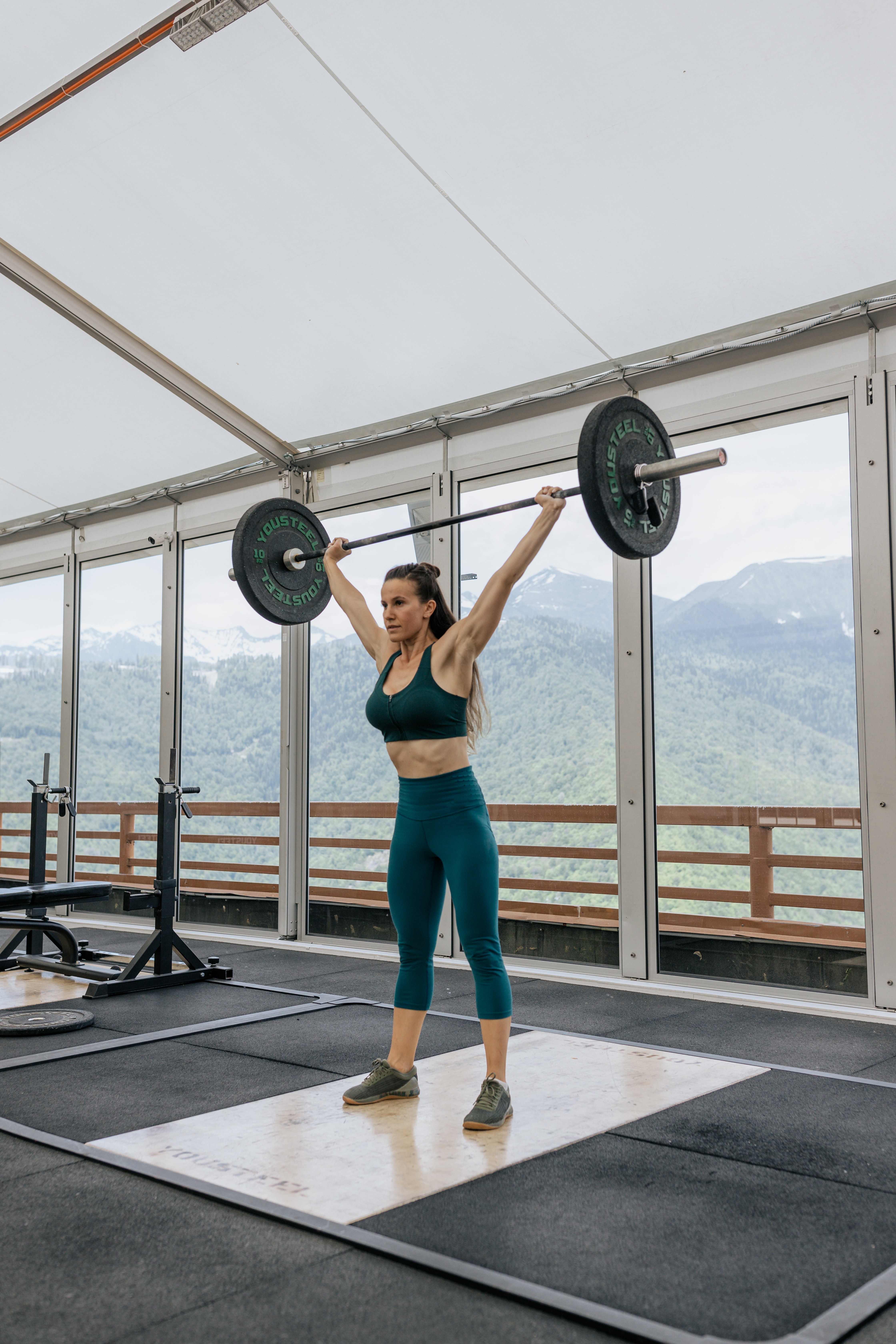
Weight Lifting
Weight training is also
known as resistance or strength training. It entails moving portions of your
body against some form of resistance, such as weights, resistance bands, weight
machines, or even your own body weight. Weight training is a fantastic approach
to gain muscular growth and strength. is a prominent sort of strength training
used to increase the strength and growth of skeletal muscles. [2] It employs
the force of gravity in the form of weighted bars, dumbbells, or weight stacks
to resist the force created by muscular contraction, whether concentric or
eccentric. Weight training employs a range of specialized equipment to target
certain muscle areas and types of activity.
Bodybuilding,
weightlifting, powerlifting, strongman, highland games, hammer throw, shot put,
discus throw, and javelin throw are all weight training sports. Many other
sports, including American football, baseball, basketball, canoeing, cricket,
football, hockey, lacrosse, mixed martial arts, rowing, rugby league, rugby
union, track and field, boxing, wrestling, and judo, incorporate strength training
as part of their training program.
Lifting weights can
help you reach your goals of increasing muscle mass or getting a fitter, more
toned body.
Weight training, also
known as resistance or strength training, helps create lean, stronger muscles,
improves your bones and joints, and can help maintain your metabolism healthy -
meaning you'll burn more calories even while you're resting.
Lifting weights isn't
only for teenagers. Weight exercise can help battle muscle mass and mobility
loss as we age, as well as increase our psychological well-being.
So, even if you've
never done any form of weight training before, it's never too late to start!
You don't even need to
be a member of a gym. For many exercises, you may just utilize your body
weight, or you can use free weights, resistance bands, or other home fitness
equipment to get benefits.
This post will explain
how to begin weight training and include workouts and training tips for
beginners.
What do you need to begin weight training?
If you've never lifted
weights before, try beginning with the assistance of a skilled personal
trainer. They will be able to teach you appropriate technique for certain
exercises and design a strength training program suited to your individual
demands.
Many gyms or fitness
facilities provide initial training sessions for little or no cost, or they
have trainers on hand if you have queries. Furthermore, many personal trainers
train customers online via video platforms.
While most gyms feature
a combination of resistance machines and free weights, such as dumbbells and
barbells, you may still obtain a thorough weight training exercise at home with
minimal equipment.
Weights aren't required
to increase lean muscle mass and tone your physique. Some strength training
exercises, such as pushups or lunges, use simply your body weight to create
resistance.
Dumbbells can help you
broaden your at-home training alternatives. A beginner's pair of adjustable
weight dumbbells costs around $50, but the price rises as you add more weight.
Kettlebells, which are
weighted balls with handles, are another popular alternative. Many kettlebell
movements engage many muscle groups at once, making them ideal for a full-body
workout, especially if you're short on time.
Resistance bands are
also an excellent addition to your training equipment. When tugged and
stretched, these color-coded elastic bands create varied degrees of resistance.
A set of resistance
bands may be purchased for $10 to $60. Because they are light and portable, you
may take them with you when you travel.
Weight lifting advice for beginners
Warm up. A 5-minute jog
or brisk stroll can enhance blood flow to your muscles and prepare them for a
solid exercise. Warming up by skipping rope or performing jumping jacks for a
few minutes is also a good idea.
Begin with lesser
weights. Start with a weight that you can lift 10 to 15 times with perfect
technique. Begin with 1 or 2 sets of 10 to 15 repetitions and gradually
increase to 3 sets or more.
Gradually increase the
weight. When you can comfortably complete the prescribed number of sets and
repetitions, raise the weight by 5 to 10%. Before beginning a complete
exercise, double-check that this is the appropriate weight for you.
Rest for at least 60
seconds between sets. This helps avoid muscular fatigue, especially at first.
Keep your workout to no
more than 45 minutes. You can obtain the workout you need in this time range.
Longer sessions may not produce superior outcomes and may raise your risk of
burnout and muscular exhaustion.
Stretch your muscles
after your workout. Stretching can improve your flexibility, relieve muscular
tension, and lower your risk of injury.
Rest a day or two
between sessions. Resting allows your muscles to recuperate and restore energy
stores before your next workout.
Exercises for Beginners
You may be particularly
focused in developing your biceps or toning your legs, but the greatest
resistance training program targets all major muscular groups in your body.
In fact, overworking
one muscle group at the cost of another might increase your risk of injury.
Start with the following exercises for a good all-around workout. Including these exercises in your weight lifting regimen will train the majority of the big muscular groups in your body.
Read: How to eat to gain muscle
SETS AND REPS
Begin with 10 to 15
reps of each exercise. Begin with 1 to 2 sets. As you gain strength, you may
add more sets and raise the weight.
What exactly is a
representative? A repetition (rep) is one full workout movement.
What is a set? A set is
a specified amount of repetitions. For example, one set consists of 10 to 15
reps.
Dumbbell single-arm
rows
Back and upper arm
muscles will be targeted.
How to Carry Out This
Exercise:
Place your left knee on
the end of a sturdy bench and your left hand palm-down on the bench for
balance.
Reach down with your
right hand, palm facing the bench, with your back parallel to the ground.
Bring the dumbbell
slowly up to your chest. Squeeze your back and shoulder muscles and slowly
straighten your arm to the starting position.
Finish one set, then switch
arms and do one set with your right knee and right hand on the bench.
Lie flat on a bench
with a dumbbell in each hand, palms facing forward.
Slowly raise the
dumbbells until your arms are directly over your shoulders. Take care not to
lock your elbows.
Lower the dumbbells
slowly back to the starting position. Your elbows should be slightly lower than
your shoulders.
Bicep curls
How to Carry Out This Exercise:
Sit or stand with a
dumbbell in each hand in front of you, elbows at your sides, and palms facing
up.
Curl the dumbbells up
toward your shoulders by bending your elbows but keeping them stationary at
your sides.
Return the curl to its
starting position.
Triceps extensions
Targeted muscle group:
your triceps (muscles in the back of your arms).
How to Carry Out This
Exercise:
You can perform this
exercise while sitting on a bench or standing with your feet shoulder-width
apart.
Wrap both hands around
the dumbbell handle.
Raise the dumbbell
above your head so that your arms are straight.
Keeping your elbows by
your ears, bend them to a 90-degree angle and lower the dumbbell behind your
head.
Straighten your arms
slowly so that the dumbbell is back above your head.
Pull the resistance
band apart
Back, shoulder, and arm
muscles are targeted.
Stand with your arms
stretched out in front of you at chest height.
Hold a resistance band
parallel to the ground and tightly in both hands.
Pull the band toward
your chest while keeping your arms straight by moving your arms outward, away
from your body. Initiate this movement with your mid-back.
Maintaining your spine straight, squeeze your shoulder blades together and "downward," then slowly return to the starting position.
Also Read: Build muscle with exercise






Leave a Reply