
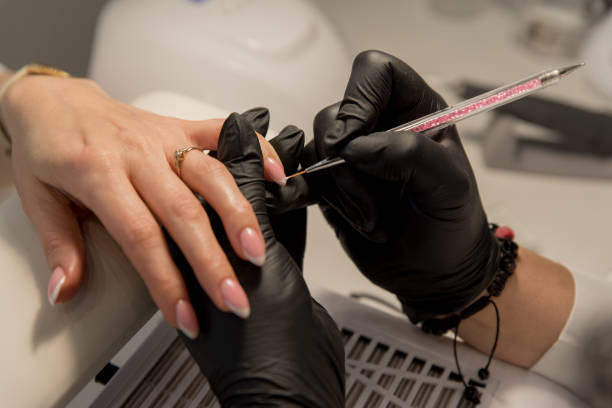
Unsanitary Manicures: A Health Risk
Unsanitary manicures can pose a serious health risk to
individuals who frequent nail salons. The use of unsanitized tools and
equipment, as well as poor hygiene practices by salon workers, can lead to the
spread of infectious diseases.
One major concern is the spread of bacterial and fungal
infections. Bacteria such as staphylococcus aureus and pseudomonas aeruginosa,
as well as fungi like candida and dermatophytes, can be transmitted through the
use of unsanitized tools and equipment. These infections can lead to conditions
such as cellulitis, paronychia, and onychomycosis.
Another concern is the transmission of viral infections. The
hepatitis B and C viruses, as well as the human immunodeficiency virus (HIV),
can be spread through the use of unsanitized tools and equipment. These viruses
can lead to serious health complications and even death.
Poor hygiene practices by salon workers can also lead to the
spread of infectious diseases. For example, a nail technician who has a
bacterial or fungal infection on their hands may unknowingly spread the
infection to clients during a manicure.
To minimize the risk of infection, it is important for
individuals to choose nail salons that maintain high standards of sanitation
and hygiene. This includes using sterilized tools and equipment, disposing of
single-use items after each use, and ensuring that salon workers practice good
hand hygiene.
In addition, customers should also be aware of their own
personal hygiene and take precautions to protect themselves. This includes avoiding
nail salons if you have an active infection, avoiding shaving or waxing your
legs at least 24 hours prior to a manicure and pedicure, and avoiding nail
polish that is chipped or peeling.
Overall, unsanitary manicures can be a serious health risk. It is important for individuals to be aware of the potential risks and take steps to protect themselves, such as choosing salons with high standards of sanitation and practicing good personal hygiene.






Leave a Reply