
Understanding Hair Porosity
Hair porosity refers to the hair's
ability to absorb and retain moisture. The three types of hair porosity are
low, medium, and high.
Low-porosity hair has a cuticle
layer that is tightly packed, making it difficult for moisture to penetrate.
This type of hair is often resistant to change and may take longer to style. It
is also more prone to build-up and product buildup.
Medium porosity hair has a cuticle
layer that is somewhat open, allowing for some moisture to penetrate. This type
of hair is able to hold a style well and is often easy to manage.
High porosity hair has a cuticle
layer that is open, making it easy for moisture to penetrate. This type of hair
is often prone to damage, breakage, and frizz. It is also more prone to
becoming dry and brittle.
Hair porosity can be affected by a
variety of factors, including genetics, chemical treatments, heat damage, and
environmental factors such as sun exposure and wind.
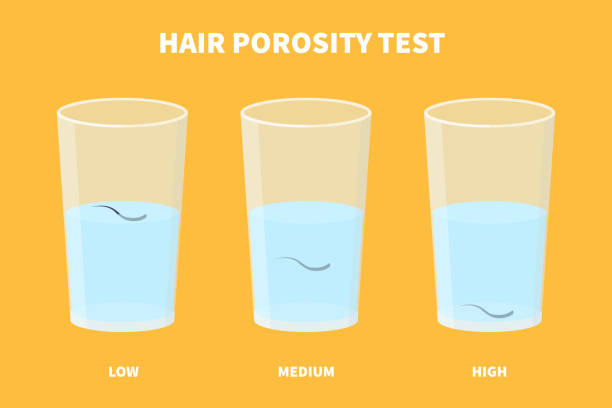
To determine your hair's porosity,
you can perform a simple "float test." Take a strand of hair and
place it in a cup of water. If the hair sinks to the bottom, you have low
porosity hair. If the hair floats on the surface, you have high porosity hair.
If the hair sinks but floats back up, you have medium porosity hair.
To care for low-porosity hair, use
lightweight products and avoid heavy oils and butter, as they can weigh down
the hair and make it difficult to style.
To care for medium porosity hair,
use a combination of lightweight and heavier products, as this type of hair can
benefit from both.
To care for high-porosity hair,
use heavy and moisturizing products, such as deep conditioners, oils, and
butter. It is also important to avoid heat styling and chemical treatments
that can further damage the hair.
In conclusion, understanding your hair's porosity can help you choose the right products and techniques to care for your hair and maintain its health and shine.
Also read; Chemical Damage to Textiles: Prevention and Repair






Leave a Reply