
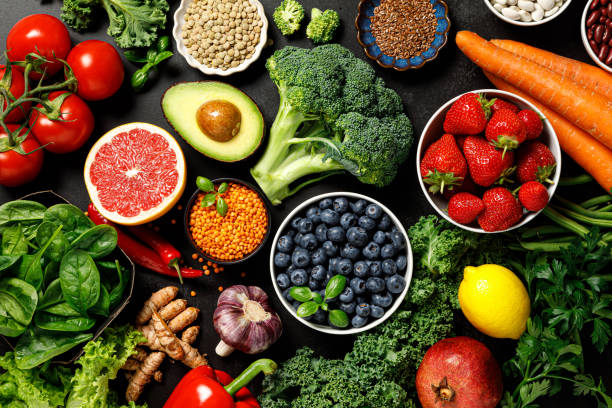
The Science of Plant-based Diets: Understanding the Health Benefits of a Vegan or Vegetarian Diet
A plant-based diet, which includes
a variety of fruits, vegetables, whole grains, legumes, and nuts, has been
associated with many health benefits. Studies have shown that vegetarians and
vegans tend to have lower rates of heart disease, high blood pressure, type 2
diabetes, and certain types of cancer compared to non-vegetarians. They also
tend to have a lower body mass index (BMI) and lower cholesterol levels.
One of the key benefits of a
plant-based diet is its impact on heart health. A diet high in fruits,
vegetables, and whole grains is rich in antioxidants, fiber, and
phytochemicals, which can lower the risk of heart disease. Studies have shown
that vegetarians have a 32% lower risk of dying from heart disease than
non-vegetarians. Additionally, a plant-based diet can lower blood pressure and
improve cholesterol levels, both of which are risk factors for heart disease.
A plant-based diet can also help
prevent type 2 diabetes. Studies have shown that vegetarians have a 43% lower
risk of developing diabetes than non-vegetarians. This may be due to the high
fiber and low fat content of a plant-based diet, which can improve insulin
sensitivity and blood sugar control.
Another benefit of a plant-based
diet is its potential to prevent certain types of cancer. Studies have shown
that vegetarians have a 15-20% lower risk of developing certain types of
cancer, such as colon, breast, and prostate cancer. This may be due to the high
intake of fruits and vegetables, which are rich in antioxidants and other
cancer-fighting compounds. Additionally, a plant-based diet is often low in fat
and high in fiber, which can also help prevent cancer.
A plant-based diet can also
promote weight loss and maintain a healthy weight. A diet high in fruits,
vegetables, and whole grains is generally lower in calories than a diet high in
meat and processed foods. Additionally, the high fiber content of a plant-based
diet can make you feel full and satisfied, which can help with weight
management. Vegetarians tend to have a lower body mass index (BMI) compared to
non-vegetarians.
In addition to the physical health
benefits, a plant-based diet can also have a positive impact on mental health.
Studies have shown that a diet high in fruits, vegetables, and whole grains can
improve mood, reduce anxiety and depression, and boost overall well-being.
It's important to note that a
plant-based diet can be healthy if it is balanced, varied and appropriate for
an individual's needs and goals. The body requires certain nutrients, such as
vitamin B12, and essential amino acids that may not be found on a plant-based
diet, which can be addressed by supplementing or making sure to consume certain
fortified foods. Additionally, some individuals may need to monitor their
protein intake if they are on a vegan diet, as plant-based sources may not
provide as much protein as animal-based sources.
In conclusion, a plant-based diet has been associated with many health benefits, including a lower risk of heart disease, type 2 diabetes, and certain types of cancer, as well as weight management and improved mental health. However, it is important to make sure that the diet is balanced, varied and appropriate for an individual's needs and goals. Consultation with a healthcare professional or a registered dietitian may be helpful in ensuring a healthy plant-based diet.
Also read: The Link Between Nutrition and Optimal Performance






Leave a Reply