
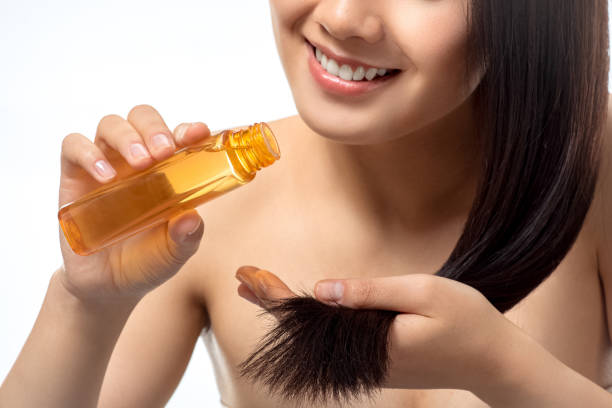
The Science of Hair Oils
Hair oils are cosmetic products
designed to moisturize and nourish the hair and scalp. They contain a
combination of natural oils and other ingredients that penetrate the hair shaft
to deliver hydration, improve hair health and enhance the appearance of the
hair.
The science behind hair oils
starts with understanding the structure of hair. Hair consists of three main
parts: the cuticle, the cortex, and the medulla. The cuticle is the outermost
layer of the hair shaft and acts as a protective layer. It is made up of
overlapping scales that can become raised or damaged, leading to split ends and
frizz. The cortex is the middle layer of the hair and contains the pigment that
gives hair its color, as well as its strength and elasticity. The medulla is
the innermost layer of the hair and is not always present in all hair strands.
Hair oils work by penetrating the
hair shaft and nourishing the hair from within. The oil molecules are small
enough to penetrate the hair shaft and bond with the cortex, which helps to moisturize
and strengthen the hair. The oils also work to smooth the cuticle, reducing
frizz and improving the appearance of the hair.
Some of the most common types of
oils used in hair oils include coconut oil, argan oil, jojoba oil, castor oil,
and olive oil. Each of these oils has different properties and benefits for the
hair, such as:
- Coconut
oil: Coconut oil is rich in medium chain fatty acids, which are easily
absorbed by the hair shaft. It helps to hydrate and nourish the hair,
improve elasticity, and reduce breakage.
- Argan
oil: Argan oil is high in vitamin E, antioxidants, and fatty acids, making
it an excellent choice for moisturizing and nourishing the hair. It can
help to improve the shine and softness of the hair, and reduce frizz.
- Jojoba
oil: Jojoba oil is similar to the natural oils produced by the scalp,
making it a good choice for people with oily scalps. It helps to regulate
the oil production of the scalp, keeping the hair and scalp hydrated.
- Castor
oil: Castor oil is high in ricinoleic acid, which has anti-inflammatory
and antimicrobial properties. It helps to stimulate hair growth, nourish
the hair, and improve the overall health of the hair and scalp.
- Olive
oil: Olive oil is high in monounsaturated fatty acids and antioxidants,
making it an excellent choice for moisturizing and nourishing the hair. It
can help to improve the shine and softness of the hair, and reduce
breakage.
Hair oils can be used in a variety
of ways, such as pre-shampoo treatments, overnight treatments, and as a styling
product. When using hair oils, it is important to use a small amount and focus
on the ends of the hair, as applying too much oil can weigh down the hair and
leave it feeling greasy.
In conclusion, hair oils are a valuable tool in promoting healthy and beautiful hair. By penetrating the hair shaft and nourishing the hair from within, hair oils can improve the appearance of the hair, reduce frizz and breakage, and enhance the overall health of the hair and scalp. With the right choice of oils and proper application, anyone can achieve beautiful, healthy, and hydrated hair.
Also read: Revitalizing Conditioner for Silky Strands






Leave a Reply