
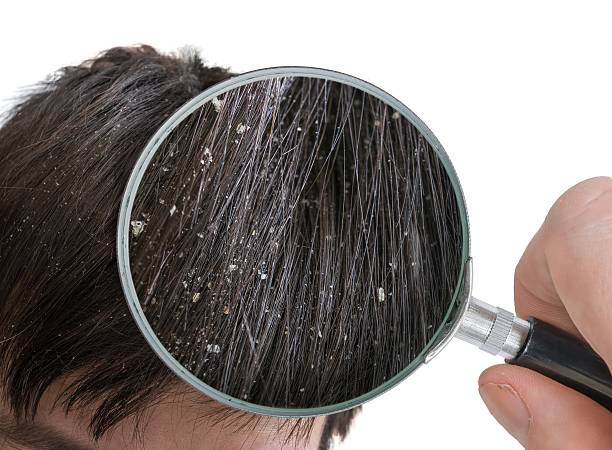
The Science of Dandruff
Dandruff is a common scalp
condition characterized by flaky and sometimes itchy skin. The exact cause of
dandruff is not fully understood, but several factors have been identified as
contributing to its development.
One of the main causes of dandruff
is the overgrowth of a yeast-like fungus called Malassezia. This fungus is
normally found on the scalp, but when it overgrows it can cause skin
irritation, leading to dandruff.
Other factors that may contribute
to dandruff include:
- Skin
conditions such as eczema or psoriasis
- Poor
hygiene
- Dry
skin
- Hormonal
changes
- Increased
oil production
- Certain
hair care products, including shampoos with harsh chemicals
Treatment for dandruff typically
involves the use of over-the-counter anti-dandruff shampoos containing active
ingredients such as pyrithione zinc, salicylic acid, or tar. These ingredients
work by reducing the growth of the yeast-like fungus on the scalp and helping
to remove dead skin cells.
In more severe cases, prescription
medications or medicated shampoos may be recommended. For example, ketoconazole
is an antifungal medication that is sometimes used to treat dandruff caused by
a fungal infection.
It is also important to address
any underlying skin conditions that may be contributing to dandruff, as
treating these conditions can help to control the symptoms of dandruff.
In addition to medicated shampoos,
other measures that can help control dandruff include:
- Regular
washing of the hair
- Gentle
brushing to remove dead skin cells
- Moisturizing
the scalp
- Avoiding
hair care products that can irritate the skin
- Keeping
the scalp and hair clean
If left untreated, dandruff can
lead to more serious scalp conditions such as psoriasis or seborrheic
dermatitis. Therefore, it is important to seek treatment if you are
experiencing symptoms of dandruff.
In conclusion, dandruff is a common scalp condition caused by various factors, including the overgrowth of a yeast-like fungus, skin conditions, and poor hygiene. Treatment typically involves the use of over-the-counter or prescription medicated shampoos, as well as other measures to control symptoms.
Also read: The Effects of Heat on Hair






Leave a Reply