
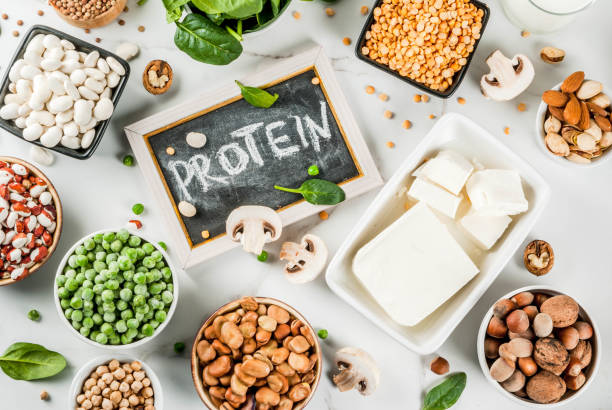
The Role of Protein in Strength Training
Strength training, also known as resistance training, is a type of physical activity that
involves the use of weights or resistance to build muscle mass and strength. It is a
vital component of a well-rounded fitness program and has been shown to improve
overall health, including increased muscle mass, bone density, and cardiovascular
fitness.
Protein plays a crucial role in strength training as it is the building block of muscle.
Adequate protein intake is necessary for the repair and synthesis of muscle tissue,
which is especially important for individuals who engage in strength training.
Consuming protein after resistance exercise, for example, has been shown to
increase muscle protein synthesis (MPS), leading to muscle growth.
Ingestion of protein stimulates MPS, which is the process by which the body builds
new muscle proteins. Different types of proteins provide varying rates of MPS, with
whey protein being particularly effective. The International Society of Sports Nutrition
suggests that individuals engaging in resistance training consume 1.6 to 2.0 grams
of protein per kilogram of body weight per day to support muscle growth and repair.
In addition to consuming enough protein, timing of protein intake is also important.
Consuming protein both before and after a strength training session can maximize
MPS and muscle growth. Consuming a protein-rich meal or snack before a workout
can provide the body with the necessary nutrients to support muscle growth during
the workout. Consuming a protein-rich meal or snack after a workout can support
muscle recovery and repair.
Strength training also causes muscle damage, which leads to inflammation and
muscle soreness. Consuming protein after a workout can also help to reduce muscle
damage and inflammation, which can speed up recovery time.
However, it is important to note that protein intake alone is not sufficient for muscle
growth and strength. Adequate intake of energy (carbohydrates and fats) and
regular physical activity, particularly strength training, are also necessary for muscle
growth. Additionally, a diet that is too high in protein can lead to negative health
effects, such as kidney damage.
Another important aspect to consider when talking about protein and strength
training is that, while protein is essential to support muscle growth, it's not the only
nutrient that needs to be considered. Carbohydrates and fats are also important to
provide energy during workouts and to support overall health. Adequate hydration,
vitamins and minerals are also important to support the body during training.
In conclusion, protein is an essential nutrient for strength training as it is necessary
for the repair and synthesis of muscle tissue. Adequate protein intake, particularly in
combination with regular strength training, is necessary for muscle growth and
recovery. Timing of protein intake, as well as overall nutrient intake, is also important
to support muscle growth and overall health. However, it's important to consult a
healthcare professional or a sports nutritionist to determine the appropriate protein
intake for an individual's specific needs and goals.
Also read: The Science of Food Safety: Understanding How to Avoid Foodborne Illness






Leave a Reply