
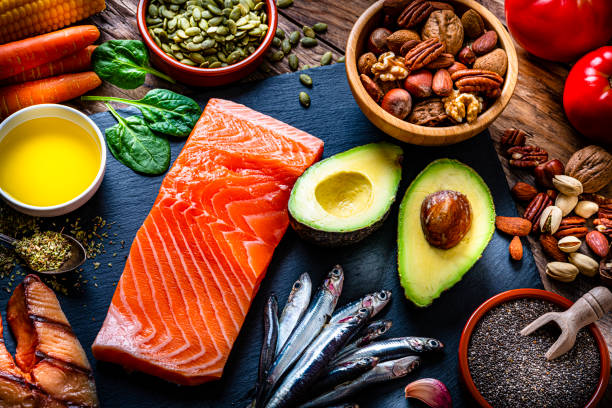
The Role of Nutrition in Maintaining a Healthy Lifestyle
Nutrition plays a critical role in maintaining a healthy
lifestyle. The food and beverages we consume provide the energy and nutrients
our bodies need to function properly. Consuming a balanced and varied diet that
includes plenty of fruits and vegetables, whole grains, lean protein, and
healthy fats is essential for overall health.
Proper nutrition helps to control weight, lower the risk of
chronic diseases, boost the immune system, and improve overall physical and
mental well-being. Nutrients like fiber, vitamins, minerals, and antioxidants
work together to support our body's functions, protect against damage, and
maintain optimal health.
Eating a balanced diet can help to regulate blood sugar
levels, lower cholesterol, and reduce the risk of cardiovascular disease.
Consuming an adequate amount of fiber is also essential for maintaining good
digestion and reducing the risk of developing certain cancers, such as colon
cancer.
A diet that is high in unhealthy fats and sugar, on the
other hand, can contribute to weight gain, increase the risk of chronic
diseases, and negatively impact overall health. Processed foods and sugary
drinks are often high in calories and low in nutrients, making them a poor
choice for regular consumption.
Proper hydration is also an important aspect of nutrition.
Water helps to regulate body temperature, transport nutrients, and flush out
waste. It is recommended to drink at least 8 cups of water per day, although
individual needs may vary depending on factors such as age, gender, and
physical activity level.
Nutrition is also closely tied to mental health. A diet that
is high in sugar and unhealthy fats can contribute to mood swings, fatigue, and
decreased cognitive function. On the other hand, consuming a diet rich in
nutrients, such as omega-3 fatty acids, B vitamins, and antioxidants, can
improve mood, increase energy, and support cognitive function.
To maintain a healthy lifestyle, it is important to eat a
balanced diet that includes a variety of nutritious foods. This may include
lean proteins, such as fish, poultry, and beans; healthy fats, such as olive
oil, avocado, and nuts; and plenty of fruits and vegetables. It is also
important to limit the consumption of processed foods, sugary drinks, and
unhealthy fats.
In conclusion, nutrition plays a critical role in maintaining a healthy lifestyle. Consuming a balanced and varied diet that includes plenty of fruits and vegetables, whole grains, lean protein, and healthy fats can help to control weight, lower the risk of chronic diseases, boost the immune system, and improve overall physical and mental well-being. Drinking plenty of water and limiting the consumption of processed foods and sugary drinks are also essential for optimal health.
Also read: Exercise for Life: Building a Sustainable Fitness Routine






Leave a Reply