
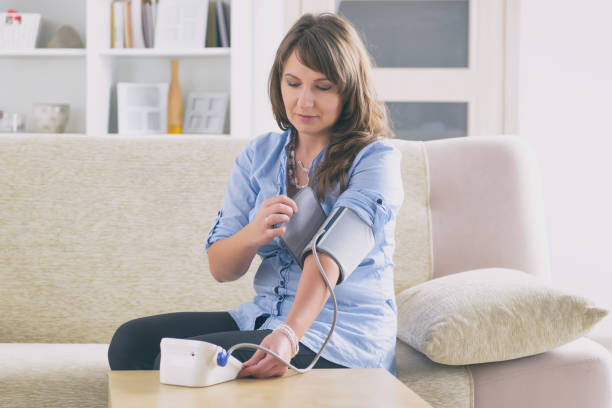
The Risks of Uncontrolled High Blood Pressure
High blood pressure, also known as hypertension, is a condition
in which the force of blood against the walls of arteries is consistently too
high. It is a major health issue that affects millions of people worldwide and,
if left uncontrolled, can lead to serious health problems. Here are some of the
major risks associated with uncontrolled high blood pressure:
Cardiovascular disease: Uncontrolled high blood pressure can
damage the arteries, leading to the formation of plaque and increasing the risk
of heart attacks and strokes. This can also lead to heart failure and an
enlarged heart.
Kidney damage: The high force of blood against the walls of
arteries can also damage the kidneys, reducing their ability to filter waste
products from the bloodstream and leading to kidney failure.
Vision problems: High blood pressure can cause damage to the
blood vessels in the eyes, leading to vision problems such as blurred vision,
blind spots, or even complete vision loss.
Aneurysm: An aneurysm is a bulge in the wall of a blood
vessel that can burst and cause life-threatening internal bleeding.
Uncontrolled high blood pressure can increase the risk of aneurysms forming in
the aorta, the largest blood vessel in the body.
Cognitive decline: Uncontrolled high blood pressure can also
lead to cognitive decline, including memory loss and dementia. This is thought
to be due to the damage that high blood pressure can cause to the blood vessels
in the brain.
Sexual dysfunction: High blood pressure can reduce blood
flow to the genital area, leading to sexual dysfunction in both men and women.
Peripheral artery disease: High blood pressure can also lead
to peripheral artery disease, a condition in which the blood vessels in the
legs and feet narrow, reducing blood flow and causing pain and numbness.
In addition to these specific health problems, uncontrolled
high blood pressure can also have a more general impact on quality of life,
making it difficult to perform everyday activities, reducing energy levels, and
causing fatigue and depression.
To reduce the risks associated with uncontrolled high blood
pressure, it is important to make lifestyle changes and take any prescribed
medications as directed. This may include losing weight, eating a healthy diet,
quitting smoking, reducing alcohol consumption, and increasing physical activity.
Regular monitoring of blood pressure is also essential to ensure that treatment
is effective and to detect any potential complications early.
In conclusion, uncontrolled high blood pressure is a serious
health issue that can lead to a range of serious health problems. It is
essential to take steps to control and monitor blood pressure to reduce the
risks associated with this condition and maintain good health.
1.






Leave a Reply