
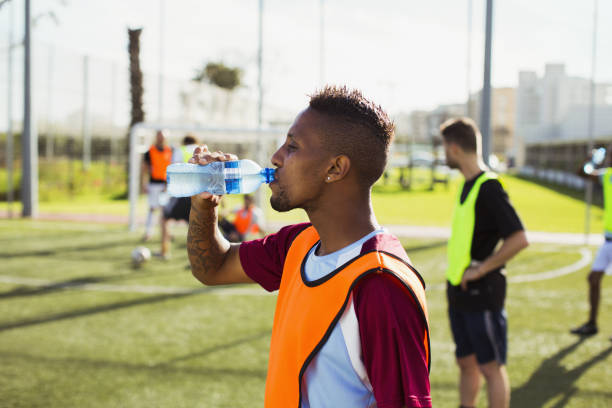
The Importance of Staying Hydrated during Exercise
Staying hydrated during exercise is crucial
for maintaining optimal performance and preventing health complications. When
we exercise, our bodies lose fluids through sweat and increased respiration,
which can lead to dehydration if not replenished. Dehydration can have a number
of negative effects on the body, including reducing endurance, causing muscle
cramps and fatigue, and increasing the risk of heat-related illnesses.
One of the most important effects of
dehydration on the body is its impact on physical performance. Even mild
dehydration can lead to a decrease in endurance and a reduction in the body's
ability to dissipate heat. This can lead to fatigue and an increased perception
of effort during exercise. In addition, dehydration can lead to a reduction in
blood volume, which can decrease the amount of oxygen that reaches the muscles
and the brain, leading to a decrease in muscle strength and power, as well as
decreased cognitive function.
Another key aspect of hydration during
exercise is the prevention of muscle cramps. When we exercise, our muscles lose
fluids through sweat and increased respiration, which can lead to muscle cramps
if not replenished. Muscle cramps are caused by a lack of electrolytes, such as
sodium and potassium, which are important for muscle function. When we sweat,
we lose these electrolytes, which can lead to muscle cramps if not replenished.
Drinking water and electrolyte-rich sports drinks can help prevent muscle
cramps and maintain muscle function during exercise.
Additionally, staying hydrated during
exercise is also crucial for preventing heat-related illnesses. When we
exercise, our bodies produce heat, which we dissipate through sweating. If we
are dehydrated, our bodies are less able to dissipate heat, which can lead to
an increased risk of heat-related illnesses such as heat exhaustion and heat
stroke.
It is important to note that the amount of
fluid required during exercise varies depending on factors such as the
intensity and duration of the exercise, the environmental conditions, and an
individual's sweat rate. However, a general guideline is to drink 17-20 oz of
water 2-3 hours before exercising, and then 7-10 oz every 10-20 minutes during
exercise. After exercise, it is important to continue to drink fluids to help
rehydrate the body.
In conclusion, staying hydrated during exercise is crucial for maintaining optimal performance and preventing health complications. Dehydration can have a number of negative effects on the body, including reducing endurance, causing muscle cramps and fatigue, and increasing the risk of heat-related illnesses. Drinking water and electrolyte-rich sports drinks can help prevent muscle cramps and maintain muscle function during exercise. Additionally, staying hydrated during exercise is also crucial for preventing heat-related illnesses. It is important to note that the amount of fluid required during exercise varies depending on factors such as the intensity and duration of the exercise, the environmental conditions, and an individual's sweat rate.
Also read: The Importance of Hydration for Exercise in Hot Weather






Leave a Reply