
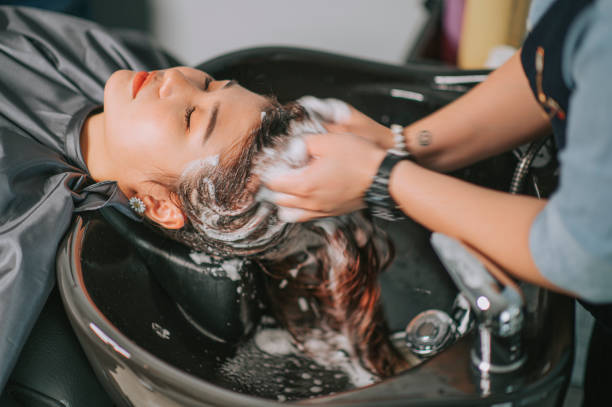
The Importance of Scalp Care for Oily Hair
When it comes to
oily hair, many people focus on the hair itself and forget about the importance
of scalp care. The scalp is the foundation of healthy hair, and taking care of
it can be crucial in controlling oily hair. In this article, we will take a
closer look at the importance of scalp care for oily hair and the best
practices for keeping the scalp healthy.
Understand the
causes of oily hair: Oily hair is caused by an overproduction of sebum, which
is an oil that is produced by the sebaceous glands in the scalp. The sebaceous
glands are responsible for keeping the hair and scalp moisturized and healthy.
However, when these glands produce too much sebum, it can cause the hair to
become greasy and oily. Understanding the causes of oily hair, such as
genetics, hormonal changes, diet, and certain medications, can help you to find
the best solutions for your hair type.
Keep the scalp
clean: A clean scalp is crucial for controlling oily hair. It is important to
wash your hair regularly with a gentle shampoo that is specifically formulated
for oily hair. Avoid using shampoos that contain harsh chemicals or sulfates,
as these can strip the hair of its natural oils and make it even oilier.
Exfoliate the
scalp: Just like the skin on the rest of our body, the scalp can also benefit
from exfoliation. Exfoliating the scalp removes dead skin cells, unclogs pores,
and helps to remove buildup. You can use a gentle scrub made with sugar or sea
salt, or try using a brush with soft bristles to massage the scalp.
Maintain a
healthy diet: Eating a diet that is rich in fruits and vegetables, lean
protein, and healthy fats can provide your body with the nutrients it needs to
produce healthy hair. Additionally, drinking plenty of water can help to keep
your hair hydrated and reduce oiliness.
Use natural oils:
Natural oils such as tea tree, peppermint, and rosemary can help to reduce
oiliness and unclog pores. Add a few drops of these oils to your shampoo or
conditioner, or try massaging them directly into the scalp.
Keep your hair
dry: The more moisture your hair has, the more oil it will produce. Avoid
washing your hair before bed and try to let your hair dry naturally as much as
possible.
Avoid using
hair-styling products that contain oil: Using hair styling products that
contain oil, such as hair oils, pomades, and hair waxes, can make your hair
appear greasier. Instead, try using styling products that are specifically
formulated for oily hair, such as volumizing mousses or sprays.
Avoid tight
hairstyles: Tight hairstyles such as ponytails and braids can cause the scalp
to produce more oil. Try to avoid tight hairstyles as much as possible and opt
for looser, more relaxed styles.
Consult a trichologist:
If you are still experiencing excessive oiliness despite trying these tips, it
may be a good idea to see a trichologist. They are experts in hair and scalp
health and can provide a personalized treatment plan that addresses your
specific hair issues.
In conclusion, scalp care is crucial for controlling oily hair. Keeping the scalp clean, exfoliating, maintaining a healthy diet, using natural oils, keeping your hair dry, avoiding using hair-styling products that contain oil, avoiding tight hairstyles, and consulting a trichologist can all help to reduce oiliness and promote healthy hair growth. Remember that achieving the perfect balance of oiliness takes time and patience, but with the right hair care practices, you can have healthy, manageable hair
Also read: The Best Haircuts for Round Faces






Leave a Reply