
The Hangover Cure: What Works and What Doesn't
There is no
one-size-fits-all cure for a hangover, as the symptoms and severity can vary
greatly from person to person. However, there are some methods that may provide
relief for some of the common symptoms of a hangover
One of the most
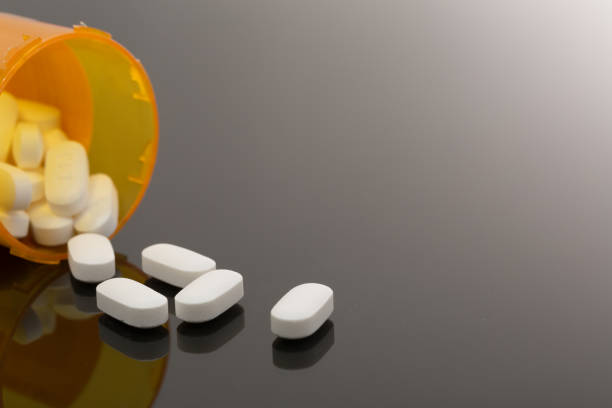
effective ways to alleviate a headache is to take over-the-counter pain
medication such as ibuprofen or acetaminophen. Drinking water and
electrolyte-rich fluids, such as sports drinks, can also help to rehydrate the
body and alleviate dehydration-related symptoms like dry mouth and thirst.
Eating a
nutritious meal, particularly one that is high in carbohydrates, can also help
to boost energy levels and alleviate feelings of nausea.
Another popular
hangover remedy is to consume caffeine, which can help to increase alertness
and reduce fatigue. However, it is important to note that caffeine is a
diuretic, which can exacerbate dehydration, so it should be consumed in
moderation.
Many people also
swear by the "hair of the dog" method, which involves drinking
alcohol the morning after a night of heavy drinking. While this may help to
alleviate symptoms in the short-term, it can actually prolong the hangover and
delay the body's ability to recover.
There are also a
number of alternative remedies that are said to help alleviate hangover
symptoms, such as drinking coconut water, taking vitamin B supplements, or
consuming ginger. However, the effectiveness of these remedies is largely
unproven, and more research is needed to determine their true effectiveness.
One thing is for
sure, however, is that the best way to avoid a hangover is to drink in
moderation and to stay hydrated. If you do find yourself with a hangover, it is
important to give your body time to recover and to avoid alcohol until you are
feeling better.
In summary, there is no one cure for a hangover, but some common methods include taking over-the-counter pain medication, drinking water and electrolyte-rich fluids, eating a nutritious meal, drinking caffeine in moderation and giving your body time to recover, and avoiding alcohol until you are feeling better. Alternative remedies such as coconut water, vitamin B supplements, or consuming ginger may also help, but more research is needed to determine their true effectiveness.
Also read: Nutrition and Digestive Health: Preventing Gastrointestinal Diseases






Leave a Reply