
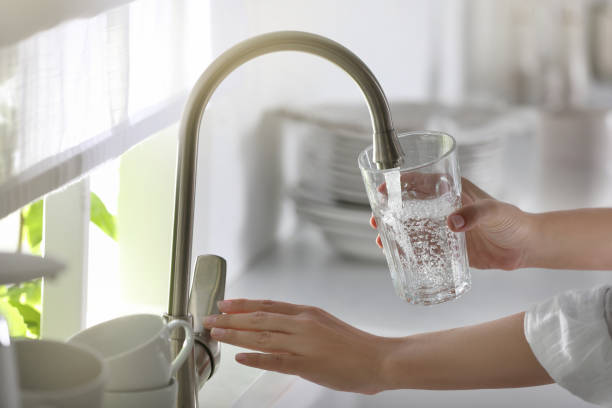
The Connection Between Hydration and Aging
Proper hydration is essential for overall
health and well-being, and it is particularly important as we age. As we get
older, our bodies become less efficient at maintaining hydration levels, which
can lead to a variety of health problems.
One of the most obvious ways that hydration
impacts aging is through the effects on the skin. When the body is properly
hydrated, the skin appears plump and smooth. However, when dehydrated, the skin
can become dull, dry, and more prone to wrinkles. This is because the skin
cells require water to function properly, and when they don't have enough, they
can't repair or regenerate as efficiently.
Dehydration can also affect the function of
our joints and muscles. Joints are surrounded by a fluid called synovial fluid
that acts as a lubricant, allowing bones to move smoothly against each other.
When dehydrated, the synovial fluid becomes thicker, making it harder for the
joints to move and increasing the risk of arthritis. Muscles also require water
to function properly, and dehydration can lead to muscle cramps, weakness, and
fatigue.
Dehydration can also have an impact on
cognitive function. The brain is made up of around 73% water, and it requires a
constant supply of water to function properly. Dehydration can lead to symptoms
such as confusion, memory problems, and difficulty concentrating. In elderly
people, dehydration can exacerbate age-related cognitive decline, and can
increase the risk of developing conditions such as dementia.
Proper hydration is also essential for the
proper functioning of the kidneys and the urinary system. As we age, the
kidneys become less efficient at filtering out waste products, and the urinary
system becomes less able to empty the bladder completely. Dehydration can make
these problems worse, increasing the risk of urinary tract infections and
kidney stones.
Dehydration can also affect the
cardiovascular system. When dehydrated, the blood becomes thicker, making it
harder for the heart to pump it around the body. This can lead to an increase
in blood pressure and an increased risk of heart disease.
In addition to the above, dehydration can
also cause constipation, headaches, and fatigue.
To combat the effects of dehydration as we
age, it is essential to drink enough water and other fluids throughout the day.
The general recommendation is to drink at least 8 glasses of water per day,
although this can vary depending on factors such as activity level and overall
health. Drinking water throughout the day, rather than all at once, can help to
keep the body hydrated. It's also important to pay attention to the signs of
dehydration, such as thirst, dry mouth, and dark urine, and to drink fluids
accordingly.
In addition to water, there are other
fluids that can help to keep the body hydrated. These include low-fat milk,
herbal tea, and fruit juices. However, it is important to be mindful of the
sugar and calorie content of these fluids, as they can contribute to weight
gain and other health problems.
In conclusion, proper hydration is essential for overall health and well-being, and it is particularly important as we age. Dehydration can lead to a variety of health problems, including dry skin, joint and muscle problems, cognitive decline, kidney and urinary problems, cardiovascular problems, constipation, headaches, and fatigue. To combat the effects of dehydration as we age, it is essential to drink enough water and other fluids throughout the day, and to pay attention to the signs of dehydration.
Also read: The Benefits of Hydration for Nervous System






Leave a Reply