
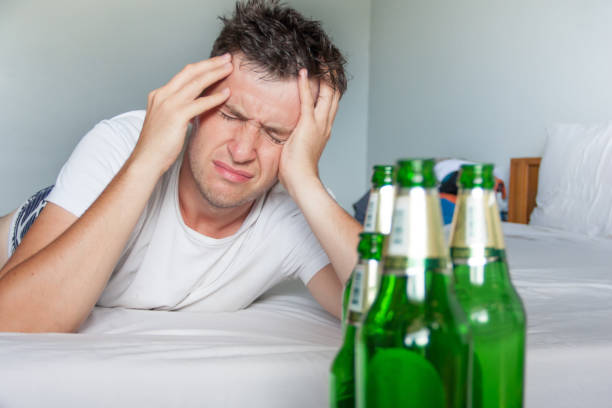
The Common Causes of Hangovers: What to Avoid and Why
Hangovers are a
common side effect of alcohol consumption. They are caused by a combination of
factors, including dehydration, electrolyte imbalances, and the toxic effects
of alcohol and its byproducts. To avoid a hangover, it is important to
understand these causes and take steps to mitigate them.
One of the main
causes of a hangover is dehydration. Alcohol is a diuretic, which means that it
increases urine production and can lead to dehydration. Symptoms of dehydration
include dry mouth, fatigue, and headaches. To avoid dehydration, it is
important to drink water or other hydrating fluids before, during, and after
alcohol consumption.
Another cause of
a hangover is electrolyte imbalances. Alcohol can disrupt the balance of
electrolytes in the body, which can lead to symptoms such as muscle cramps and
fatigue. To avoid electrolyte imbalances, it is important to consume foods and
drinks that are high in electrolytes, such as sports drinks or coconut water.
The toxic effects
of alcohol and its byproducts can also contribute to a hangover. Alcohol is
metabolized in the liver, where it is converted into acetaldehyde, a toxic
compound that can cause nausea, vomiting, and headaches. Additionally, alcohol
can disrupt the balance of certain chemicals in the brain, such as serotonin
and dopamine, which can lead to mood swings and fatigue.
Certain types of
alcohol are more likely to cause a hangover than others. Darker alcoholic
beverages, such as red wine and whiskey, contain congeners, which are toxic
byproducts of fermentation. These congeners can contribute to the severity of a
hangover. Clear alcoholic beverages, such as vodka and gin, contain fewer
congeners and are less likely to cause a hangover.
There are also
several other factors that can contribute to a hangover, such as poor sleep,
stress, and a high-fat diet. To avoid a hangover, it is important to get a good
night's sleep, manage stress, and choose a healthy diet.
In summary, hangovers are caused by a combination of factors, including dehydration, electrolyte imbalances, and the toxic effects of alcohol and its byproducts. To avoid a hangover, it is important to drink water or other hydrating fluids before, during, and after alcohol consumption, consume foods and drinks that are high in electrolytes, avoid certain types of alcohol that are more likely to cause a hangover, and pay attention to other factors such as poor sleep, stress, and a high-fat diet.
Also read: Fad Diets: A Risky Way to Lose Weight






Leave a Reply