
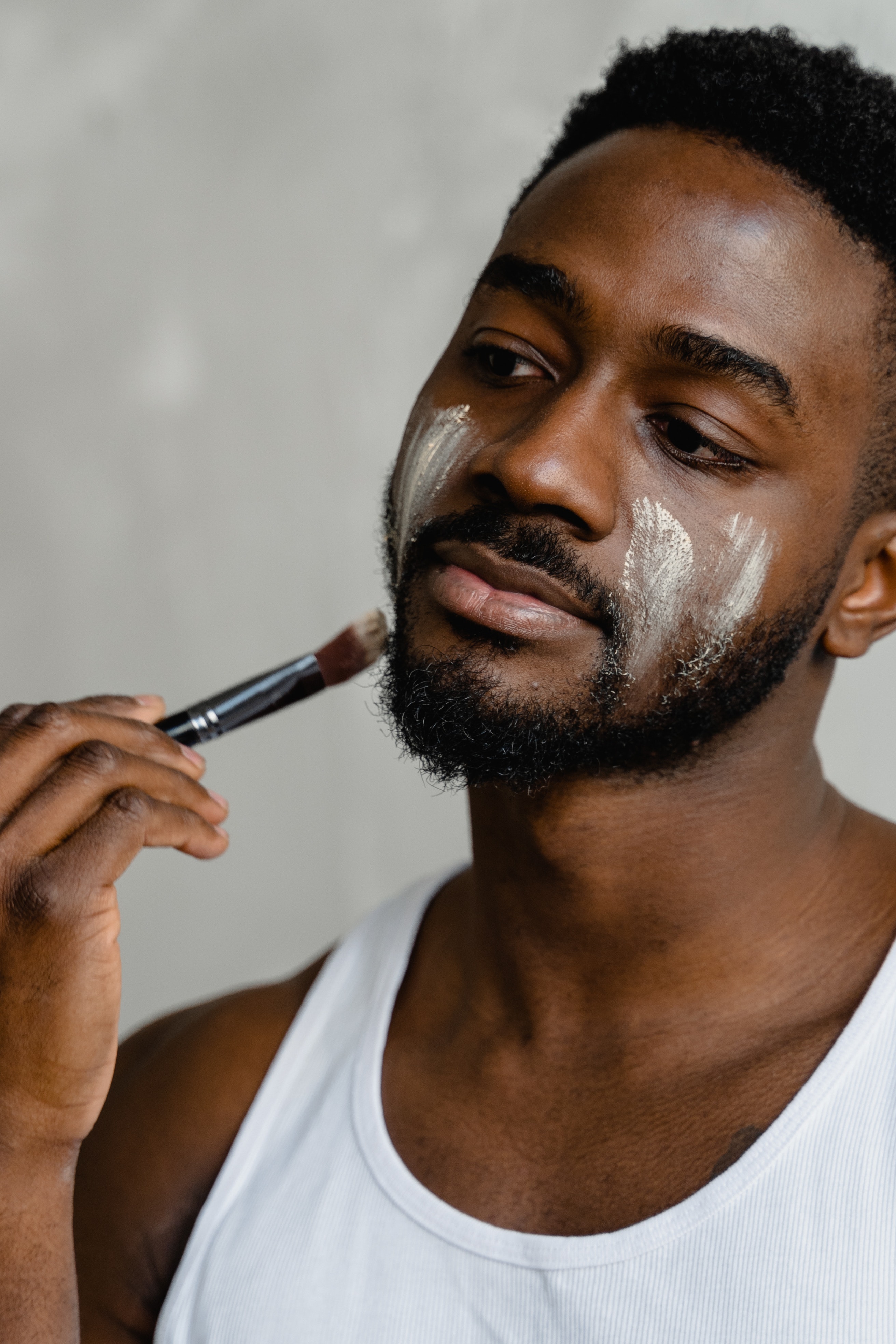
The Best Skincare Regimen for Beards and Other Facial Hair
Though many people would think that having facial hair is
considered minimal maintenance (no stress from shaving, right? ), actually
growing a beard has its own unique skin-care issues. Consider dry skin,
irritability, and acne as examples.
According to Shari Marchbein, a board-certified
dermatologist in New York City, "one of the most frequent problems I
encounter as a dermatologist is acne, which in the beard region is known as
pseudofolliculitis barbae." Marchbein adds, "This happens when hairs
that are shaved or plucked become caught beneath the skin, triggering a cascade
of irritation. The symptoms of these ingrown hairs include little red lumps,
pustules, or uncomfortable cysts.
Since they are brought on by various causes, these bumps
aren't the same as the pustules brought on by blocked pores that appear in
hair-free parts of your skin. As the sharp hair grows through the skin after
having it shaved, waxed, plucked, or threaded, Jennifer MacGregor, a
board-certified dermatologist in New York City, tells Allure that this may
irritate the skin. This results in the razor bumps, which are irritating, red,
and may become pustular and resemble acne if they get infected.
Having facial hair may also lead to common problems like
dandruff and dry skin. Because it might be "more challenging to fully
wash, as well as hydrate, beneath facial hair," according to Marchbein. To
learn how to care for the skin below (and around) your facial hair, we
consulted the experts.
1. Exfoliating may begin.
Use exfoliating and anti-inflammatory solutions over your
whole face to treat pimples, just like you would with any sort of acne.
Marchbein advises using a light scrub with salicylic or glycolic acid, such the
St. Ives Blackhead Clearing Green Tea Scrub, and a daily over-the-counter benzoyl
peroxide wash.
A board-certified dermatologist can provide more assistance
if you're still breaking out. According to MacGregor, you could need a harsher
treatment or an oral medicine.
2. Be careful while shaving.
It pays to be careful while maintaining your beard, both in
terms of the tools you use and the approach you use, to assist reduce swelling
(and pimples). According to Marchbein, you should at the very least replace
your razor blade every two to three shaves. And most essential, be careful to
shave against the development of hair.
3. Upgrade your equipment.
Avoiding a razor-close shave while trimming up your beard is
one of the finest things you can do to protect the skin below it. For people
who are prone to ingrown hairs, particularly those with curly hair, Marchbein
advises using a special razor like the Bump Fighter one that does not enable a
fully flat, close shave.
In order to avoid bumps, you may also use an electric razor
to leave some stubble. According to MacGregor, laser hair removal will often
entirely resolve the problem.
4. Scrub your beard.
The best way to treat dry skin beneath your beard, according
to dermatologists, is to wash your beard's scruff. The irritation and redness
may be reduced with an over-the-counter shampoo that contains selenium sulfide
or ketoconazole, according to Marchbein.
5. Remember to moisturize.
Also important is moisturizing. Consider using a beard conditioner like The Art of Shaving's peppermint variety. Again, if you've ever attempted to hydrate the skin behind your beard, you know how difficult it is. The bristles on the beard don't suddenly separate to make the moisturizing cream's distribution and absorption easier. Despite this, don't hesitate to have your chin and cheeks moisturized. The last thing you need is to stop feeding that skin since doing so may cause dryness, irritation, peeling, and more brittle hair.
Also read: Things
you have to do to attend to your skin






Leave a Reply