
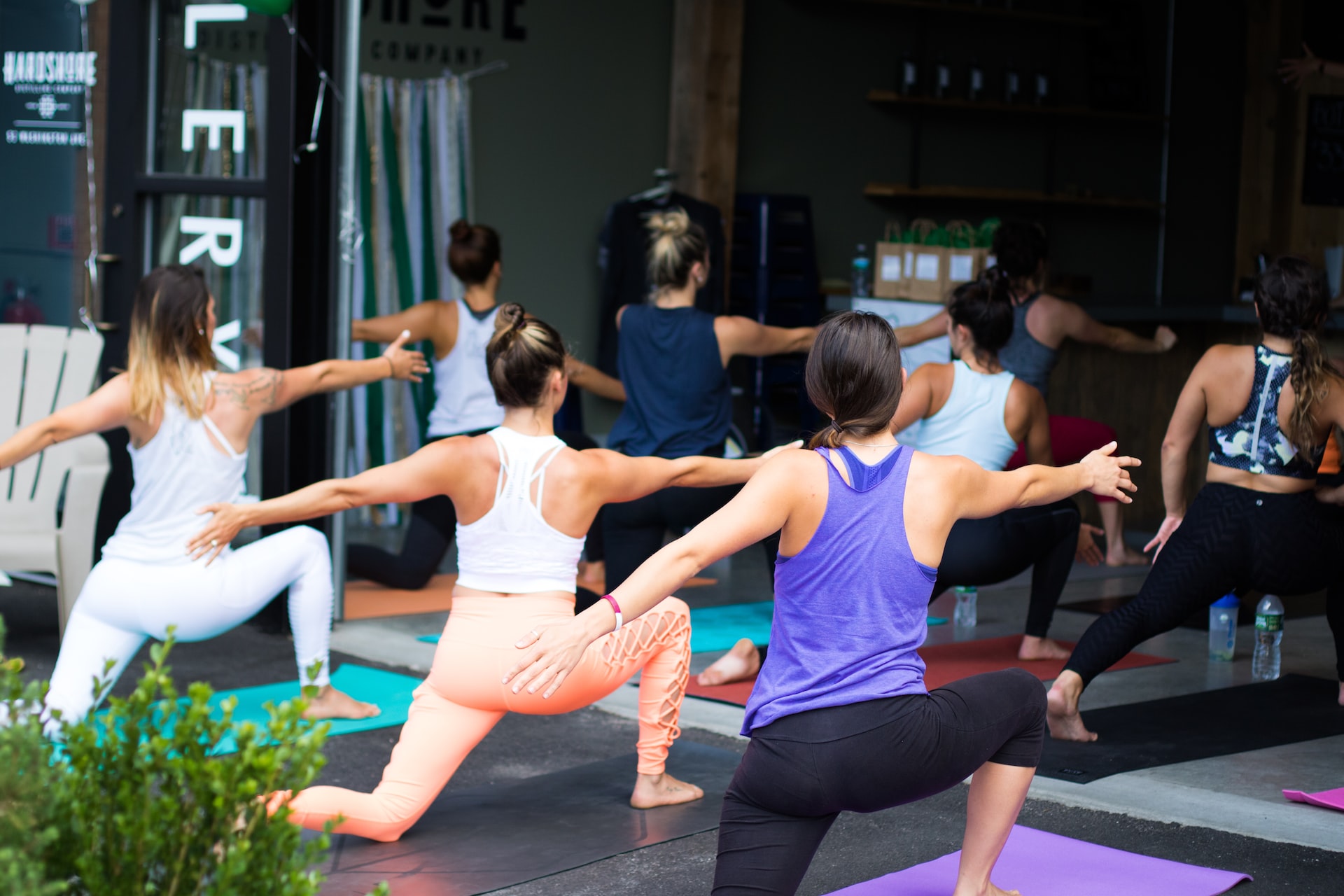
The Benefits of Exercise and Health and Wellness
Exercise has numerous benefits for physical and mental health and
overall wellness.
Physical benefits include:
Improved cardiovascular health: Regular exercise can help to lower
blood pressure, improve cholesterol levels, and reduce the risk of heart
disease and stroke.
Weight management: Exercise, combined with a healthy diet, can
help to control weight and prevent obesity.
Increased muscle and bone strength: Exercise helps to build and
maintain muscle mass and bone density, which can help to prevent age-related
decline in physical function.
Improved respiratory function: Regular exercise can improve lung
capacity and the efficiency of the respiratory system.
Improved flexibility and balance: Exercise can help to improve
range of motion and balance, which can help to prevent falls and injuries.
Mental benefits include:
Reduced stress and anxiety: Exercise has been shown to help reduce
symptoms of stress, anxiety, and depression.
Improved mood: Exercise has been linked to improved mood and
well-being, due in part to the release of endorphins, which are chemicals that
act as natural painkillers and mood elevators.
Increased self-esteem and confidence: Regular exercise can help to
improve body image and self-esteem, and can increase feelings of competence and
control.
Improved cognitive function: Exercise has been linked to improved
memory, attention, and mental processing speed, and may also help to reduce the
risk of developing cognitive decline or dementia.
Overall wellness benefits include:
Improved sleep: Regular exercise can help to improve the quality
and duration of sleep.
Increased energy: Exercise can help to improve energy levels,
making it easier to complete daily tasks.
Reduced risk of chronic diseases: Regular exercise can help to
reduce the risk of developing a number of chronic diseases, including diabetes,
certain cancers, and osteoporosis.
Increased longevity: Regular exercise is associated with increased
lifespan, in part because it helps to reduce the risk of chronic diseases.
To reap the maximum benefits, the American College of Sports
Medicine and the American Heart Association recommends that adults should aim
for at least 150 minutes of moderate-intensity aerobic activity or 75 minutes
of vigorous-intensity aerobic activity per week, or a combination of the two,
along with muscle-strengthening activities at least two days a week.
Additionally, stretching and balance training should be incorporated into
exercise routine.
Exercise can help to improve the health of the immune system,
making the body better able to fight off infections and diseases. Regular
exercise has also been linked to a lower risk of certain types of cancer, such
as colon and breast cancer.
Exercise can also be beneficial for digestion and gut health.
Regular exercise can help to improve bowel regularity and may also help to
reduce the risk of developing certain gut-related conditions, such as
inflammatory bowel disease.
For mental health, regular exercise can also provide benefits such
as increase in attention and focus, and ability to cope with stress and
challenging situations. Also it can be beneficial to improve mood and reduce
symptoms of depression and anxiety, it also may help to improve overall cognitive
function, including memory and information processing.
For overall wellness, exercise can help to improve the quality of
life, by helping you feel good about yourself, sleep better, and have more
energy for daily tasks. Additionally, regular exercise is associated with
reduced inflammation, which is a risk factor for a variety of chronic diseases.
Furthermore, Regular exercise can also have a positive impact on
your mental and emotional state, it can boost your mood, reduce feelings of
stress, anxiety and depression. It can also help to promote feelings of
well-being and self-esteem, which can positively impact your relationships and
overall quality of life.
It is also important to note that these benefits of exercise extend to all ages, including children and older adults, and that it can be done in a variety of ways such as cycling, swimming, dancing, walking or even video games that promote physical activity. It is also important to find something that you enjoy, so that it is more likely to be a sustainable habit in the long run.
Also read: The Importance of Nutritional Balance






Leave a Reply