
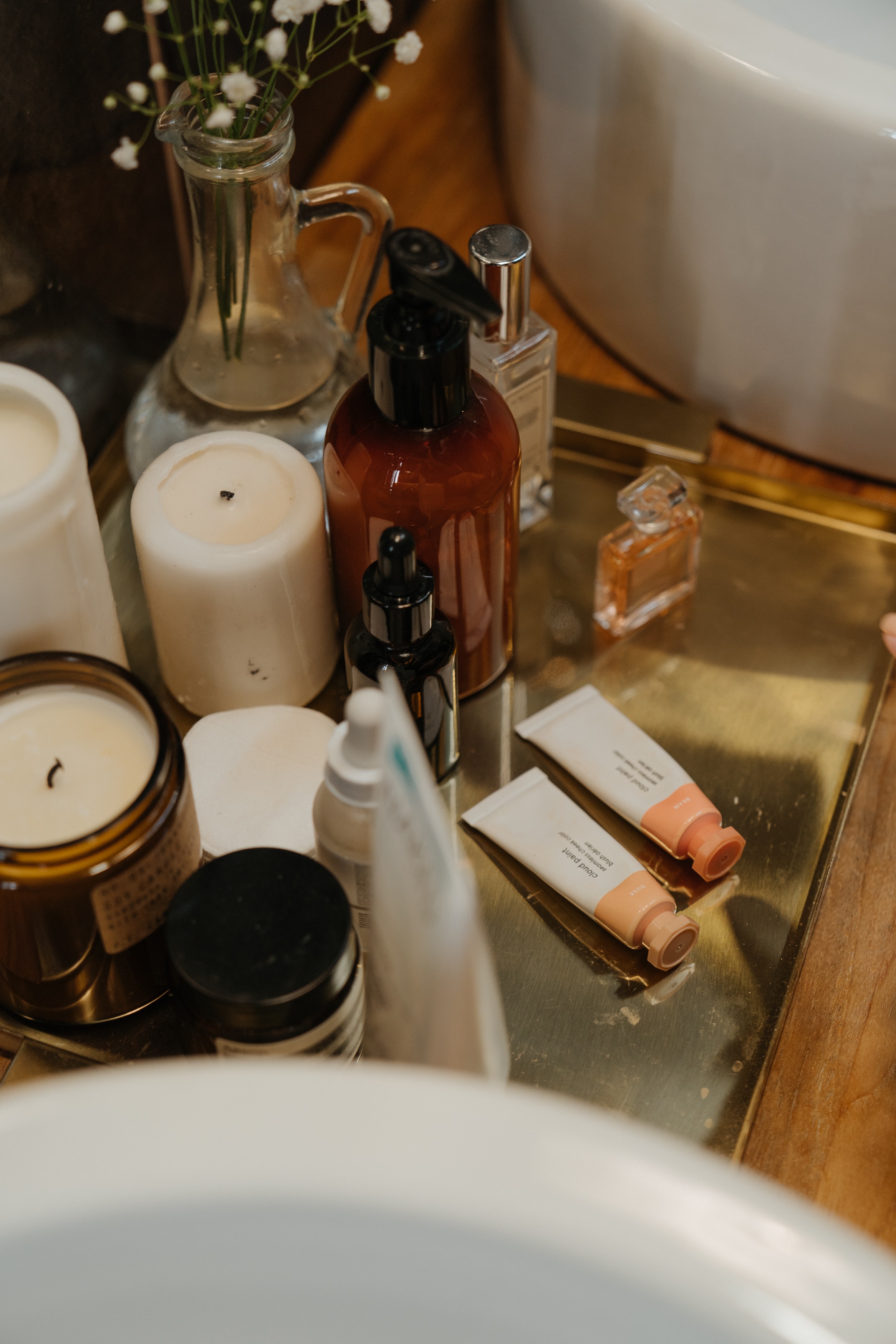
The Advantages of Cosmetics/Toiletries
Cosmetics and
toiletries provide numerous benefits, and Cosmetic Scientists are skilled at
developing products to meet these needs.
• Appropriate
preventive and treatment cosmetics can help to improve skin condition. This
includes skin-ageing-related moisturization, tone, wrinkle, and blemish
reduction.
• Acne symptoms can be
reduced.
• Skin can be shielded
from sun damage by using sunscreen products appropriately.
• Antiperspirants and
deodorants work well to reduce perspiration and body odor.
• Skin fragrance can
elicit strong positive emotions.
• Hair can be cleaned,
conditioned, and treated to improve its appearance.
• Color cosmetics such
as foundation, lipstick, eye, nail, and lip products are used to enhance one's
appearance.
• Dental products, such
as toothpaste and oral washes, clean and deodorize the mouth.
• Soaps cleanse the
skin and aid in the reduction of bacteria.
Individuals benefit
from cosmetics. Aside from the more commonly mentioned physiological benefits,
there are very real psychological and social benefits to using cosmetics. These
advantages ensure that cosmetics are and will continue to be an important part
of daily life.
Overview
A number of studies (1,
2, 3) have found that using cosmetics to improve one's appearance has a
positive effect on how others perceive one. When we first meet other people,
their physical characteristics provide us with important information. People
use this information to form opinions about the individual. This first
impression is frequently crucial. Evidence suggests that people attribute
valuable social characteristics to those who are physically attractive,
adhering to the "what is beautiful is good" stereotype. This can be
expanded to "what is beautiful is good." According to studies, people
with average attractiveness who use cosmetics can benefit from positive
personality traits (13, 14).
Physical attractiveness
(whether achieved through the use of cosmetics or otherwise) has additional
practical benefits. It is widely assumed that attractive people are more likely
to be hired, are paid more, and are expected to be more competent than
physically unattractive people. When attempting to motivate, influence, or
elicit the cooperation of others, the unattractive employee is more likely to
encounter resistance. They are less likely to marry into a higher social class
and are more likely to be found guilty in court. Such disparities in treatment
can have an impact on personality development. It has been suggested that
attractive people may have superior interpersonal skills in terms of
confidence, assertiveness, and relationship building effectiveness.
Cosmetics, in addition
to making us more attractive, allow us to project a specific image. The way we
carry ourselves, care for ourselves, and apply cosmetics can communicate to
others how we want to be perceived.
The use of cosmetics to
improve our appearance can have an impact on our self-esteem. When we feel
good, our self-esteem rises and our performance improves, which influences what
others think of us and how they treat us. Negative feelings about our
appearance, on the other hand, can cause self-doubt, which leads to lower
self-esteem, confidence, and performance.
Each type of cosmetic
can provide the user with a unique physiological and psychological benefit.
SHADED PRODUCTS (pigmented foundations, lipsticks, eye shadows, blushers, and
so on) can have a psychologically therapeutic effect in addition to making the
wearer look and feel more attractive.
MOISTURIZERS can give
the skin a smoother feel and appearance while also reducing flaking caused by
dryness. Certainly, maintaining normal skin hydration is a very tangible
physiological benefit.
SUNSCREENS provide
physiological as well as psychological benefits. By filtering out harmful
ultraviolet rays, they help protect the skin from wrinkling, premature aging in
general, and skin cancer. They also enable the wearer to develop a controlled
tan, which in our society represents vitality, health, and attractiveness.
There is a growing awareness (4) that tanning, even with the proper use of
sunscreens, may still pose some risk of UV ray damage.
ANTIPERSPIRANTS and
DEODORANTS have both physiological and psychological benefits (5). Perspiration
and body odor can elicit feelings of social inferiority, guilt, or shame.
Because feelings
predominate in matters of smell, a woman can use PERFUME to create an image or
set a mood. The same is true for men's aftershave. People are rarely
emotionally neutral toward a fragrance (6).
Certain HAIRCARE
PRODUCTS clearly have physiological benefits. Shampoos and anti-dandruff
products fall into this category. Shampoos remove lipids from the hair, which,
when accumulated, cause itching and discomfort on the scalp. Conditioners,
perms, and hair colors enhance the overall appearance of the hair and allow the
individual to convey various messages. Certain hairstyles and colors, for
example, increase credibility in the workplace.
DENTAL CARE has
physiological as well as psychological benefits. Teeth cleaning removes dental
plaque and aids in the prevention of dental caries. Fluoride use has
significantly reduced dental problems (18). Dental health is being improved by
increasing professional dental hygiene and cosmetic dentistry.
To summarize, cosmetics provide significant benefits to individuals. Aside from the more commonly mentioned physiological benefits, there are very real psychological and social benefits to using cosmetics. These advantages ensure that cosmetics are and will continue to be an important part of daily life.
Read: The benefits that come with skin care






Leave a Reply