
Skin Analysis Instruments
There are several sorts
of skin analysis instruments, each with its own set of purposes and advantages.
Magnifying Glasses
A magnifying light,
often known as a "mag light," "mag lamp," or
"loupe," is used by almost every dermatologist and aesthetician. This
is a fantastic starting point for spotting objects that are difficult to see
with the naked eye. To gain a decent view of a region, it may be necessary to
move the lamp.
Magnifying bulbs
decrease shadows and color distortion while reducing guessing. They also make
the professional's life simpler by eliminating squinting, neck strain, and back
discomfort.
Newer magnifying lamps
include various characteristics, including decreased weight, greater stability,
adjustable arms and lamp heads, one-touch or hands-free setting, dimmable LED
lights with a 50,000-hour lifespan, and several magnification levels.
When shopping for a
magnifying light, seek for one with a sturdy yet ergonomic arm design, a
repositionable head, and self-tightening knobs. While fluorescent and halogen
bulbs are available, LED lighting has become the new norm due to its improved
color rendering.
If portability is
necessary, devices that may be mounted on a mobile stand for convenience of
usage are available. Look for lights from an FDA-approved firm with a
reputation for excellent customer care in the event that something goes wrong.
The magnification of
the device is determined by the lamp's diopters. Because diopters are fixed, if
multiple degrees of magnification are required, choose a lamp with removable
lenses, similar to changing the eyepiece on a telescope or the lens on a
camera.
A lens' diopter is the
reciprocal of its focal length. The greater the number of diopters on a
magnifying light, the thicker and more curved the lens. Furthermore, the larger
the magnification, the bigger the quantity of diopters.
To convert provided
diopters to lamp magnification, just divide the diopter by four and add one. A
three-diopter magnifying light, for example (the most common strength),
provides 175% magnification:
The focal length of the
lamp is the distance between the lens center and the point where the light rays
meet, and it is where the subject comes into perfect focus. The operating
distance between the lamp and the client's face is defined as the lamp's focal
length. The larger the magnification, the shorter the working distance, which
must be taken into account to allow for hands, tools, and other items.
The Lamp of Wood
Another typical item
used by dermatologists and aestheticians is a Wood's light. It is a portable
gadget that detects germs and fungus on the skin's surface as well as some skin
problems using entirely safe, long wave ultraviolet radiation.
Bacteria such as
pseudomonas species, Propionibacterium acnes, and Corynebacterium minutissimum,
as well as fungus, may luminesce as a distinct hue (typically greenish) under a
Wood's lamp, alerting the expert to their existence. A Wood's lamp can also be
used to make the following diagnoses:
versicolor pityriasis
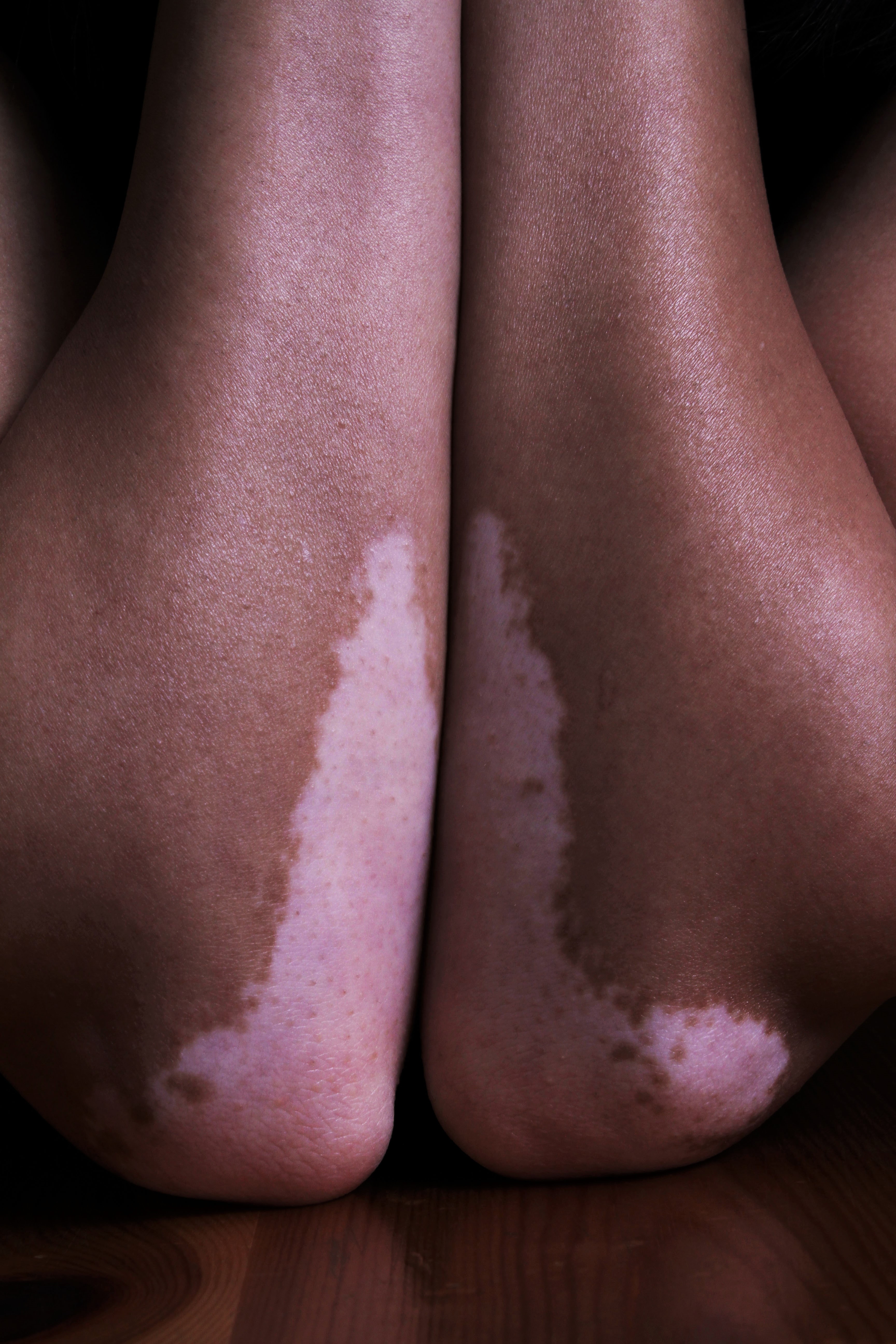
vitiligo
Melasma
erythrasma
scabies
Wood's lamps typically
have a wavelength of 320 to 450 nanometers; however, newer ones with a
particular wavelength of 395 nanometers are being used to identify malignancies
such as basal cell carcinoma and actinic keratosis.
To achieve correct
results and minimize false positives, all makeup, moisturizers, and perfume
residue must be removed from the client's face and neck before utilizing a
Wood's light. The environment should also be sufficiently dark for the expert
to distinguish between normal violet light and fluorescence on the skin, which
might signal a problem region.
Dermascopes
A professional may
choose to purchase a dermascope, which is a tiny skin microscope similar to an
otoscope. These devices are typically used to further evaluate suspected skin
lesions.
A dermascope's magnification allows a specialist to rapidly evaluate whether a lesion is melanocytic (pigmented by melanin) and whether it requires a referral outside their institution or an in-house biopsy. A dermascope can also help you locate tiny psoriatic spots on your skin.
Also read: Things
you have to do to attend to your skin






Leave a Reply