
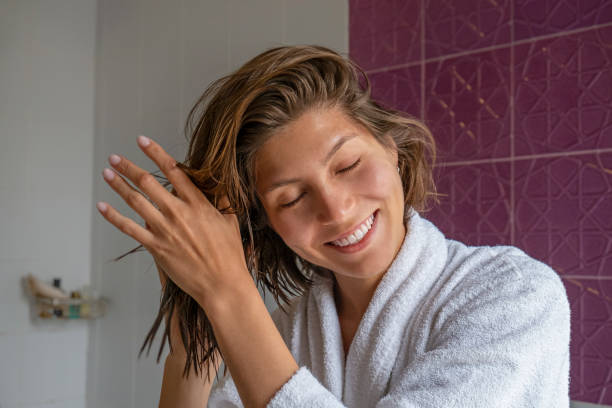
Scalp Care 101: Tips for Managing Oily Hair
Oily hair can
be a frustrating problem to manage. It can make your hair look greasy, limp, and
lifeless. Here are some tips for managing oily hair:
Shampoo
regularly: Oily hair can benefit from being washed more frequently than dry
hair. Aim to shampoo your hair every other day, or even every day if necessary.
Use a
clarifying shampoo: Oily hair can benefit from using a clarifying shampoo,
which can help to remove buildup and excess oil from your hair. Look for
shampoos that contain ingredients like tea tree oil, peppermint oil, or
salicylic acid.
Use the right
conditioner: Avoid using heavy conditioners, which can weigh down your hair and
make it look greasy. Instead, use a lightweight, oil-free conditioner or avoid
using conditioner on the scalp and instead focus on the ends of your hair.
Be gentle:
When washing your hair, be gentle and avoid scrubbing your scalp too
vigorously. This can cause irritation and overproduction of oil.
Avoid heat
styling: Heat styling can make your hair more oily, so try to avoid using hot
tools such as curling irons or flat irons.
Brush your
hair regularly: Brushing your hair can help to distribute natural oils
throughout your hair, which can help to reduce the appearance of greasiness.
Watch your
diet: Your diet can have an impact on the health of your hair. Eating a diet
that is high in sugar, processed foods, and oils can contribute to oily hair.
Instead, focus on eating a diet that is high in fruits, vegetables, lean
protein, and healthy fats.
Use dry
shampoo: Dry shampoo can help to absorb excess oil and give your hair a fresh,
clean look between washes.
Scalp exfoliation:
Scalp exfoliation can help to remove build-up, dirt and dead skin cells from
the scalp. It also promotes healthy hair growth by unclogging hair follicles.
Try an apple
cider vinegar rinse: Apple cider vinegar can help to balance the pH of your
scalp and remove excess oil. Simply mix equal parts apple cider vinegar and
water and massage it into your scalp, then rinse it out.
Use a toner:
Toning your hair can help to remove excess oils and buildup. You can use apple
cider vinegar as a toner or look for specific toners for oily hair.
Avoid tight
hairstyles: Tight hairstyles like ponytails, braids, and buns can cause
friction, which can lead to scalp irritation and overproduction of oil.
Avoid
overusing hair products: Using too many hair products can weigh down your hair
and make it look greasy. Use hair products sparingly and avoid using them on
the scalp, instead focus on the ends.
Keep your
scalp clean: Keeping your scalp clean can help to reduce the appearance of oily
hair. Use a mild shampoo and conditioner and avoid overusing hair products.
Avoid using
hot water: Hot water can strip the natural oils from your hair and scalp,
making your hair look greasier. Use lukewarm water instead when washing your
hair.
Keep your
hands off your hair: Playing with your hair or running your fingers through it
can transfer oils from your hands to your hair.
Try a low-poo or no-poo routine: A low-poo or no-poo routine, which involves using a sulfate-free shampoo or skipping shampoo altogether, can help to reduce the amount of oil your scalp






Leave a Reply