
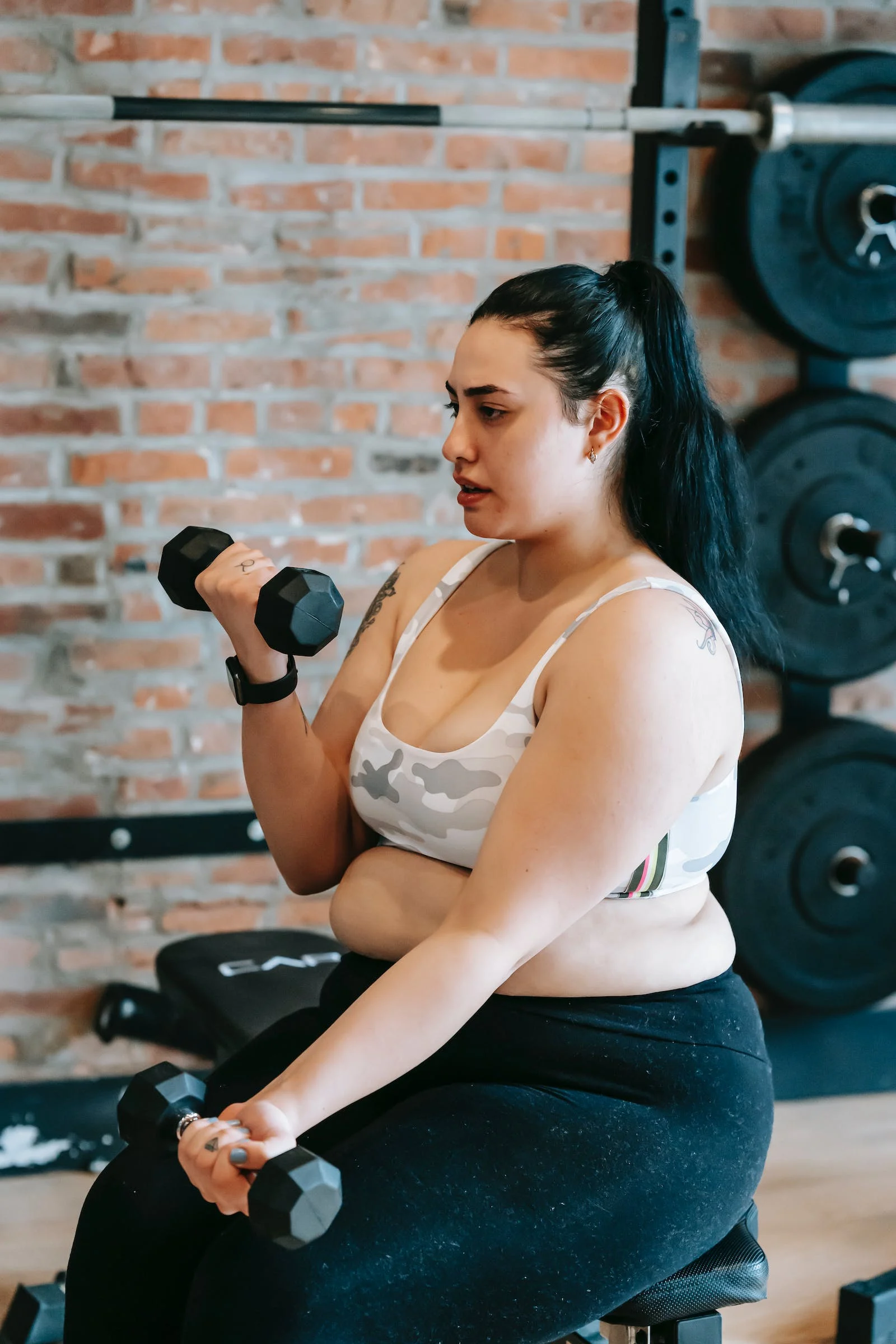
Protein and Muscle Hypertrophy
Muscle hypertrophy refers to the increase in muscle size and volume that occurs as
a result of resistance training. This process is driven by an increase in the number
and size of muscle fibers, as well as an increase in the amount of protein within
those fibers. Protein is essential for muscle growth and repair, and the body needs
an adequate amount of it in order to build and maintain muscle mass.
The primary source of protein for muscle growth comes from the diet. When
resistance training is performed, muscle fibers are damaged, which triggers a
process called protein synthesis. This process involves the repair and rebuilding of
muscle fibers using amino acids from dietary protein. In order for muscle
hypertrophy to occur, the body must be in a state of positive protein balance,
meaning that it is receiving more protein than it is breaking down.
The amount of protein needed for muscle hypertrophy varies depending on the
individual, but a general recommendation is to consume 1.6-2.2 grams of protein per
kilogram of body weight per day. This can be achieved through a combination of
dietary protein sources such as meat, fish, eggs, dairy, and plant-based protein
sources like beans and lentils.
It is also important to note that the timing of protein intake is crucial for muscle
growth. Consuming protein immediately after resistance training can maximize
muscle protein synthesis, as the body is in a state of repair and rebuilding.
In addition to dietary protein, other nutrients such as carbohydrates and fats are also
important for muscle growth. Carbohydrates provide energy for resistance training,
while fats play a role in hormone production and support overall health. A balanced
diet that includes all macronutrients is essential for optimal muscle hypertrophy.
Overall, muscle hypertrophy is a complex process that is influenced by a variety of
factors such as resistance training, protein intake, and overall nutrition. Consuming
an adequate amount of protein and following a balanced diet is crucial for achieving
muscle growth and maintaining overall health.
Also read: The Best Hair and Skin Care for Women with Sensitive Skin






Leave a Reply