
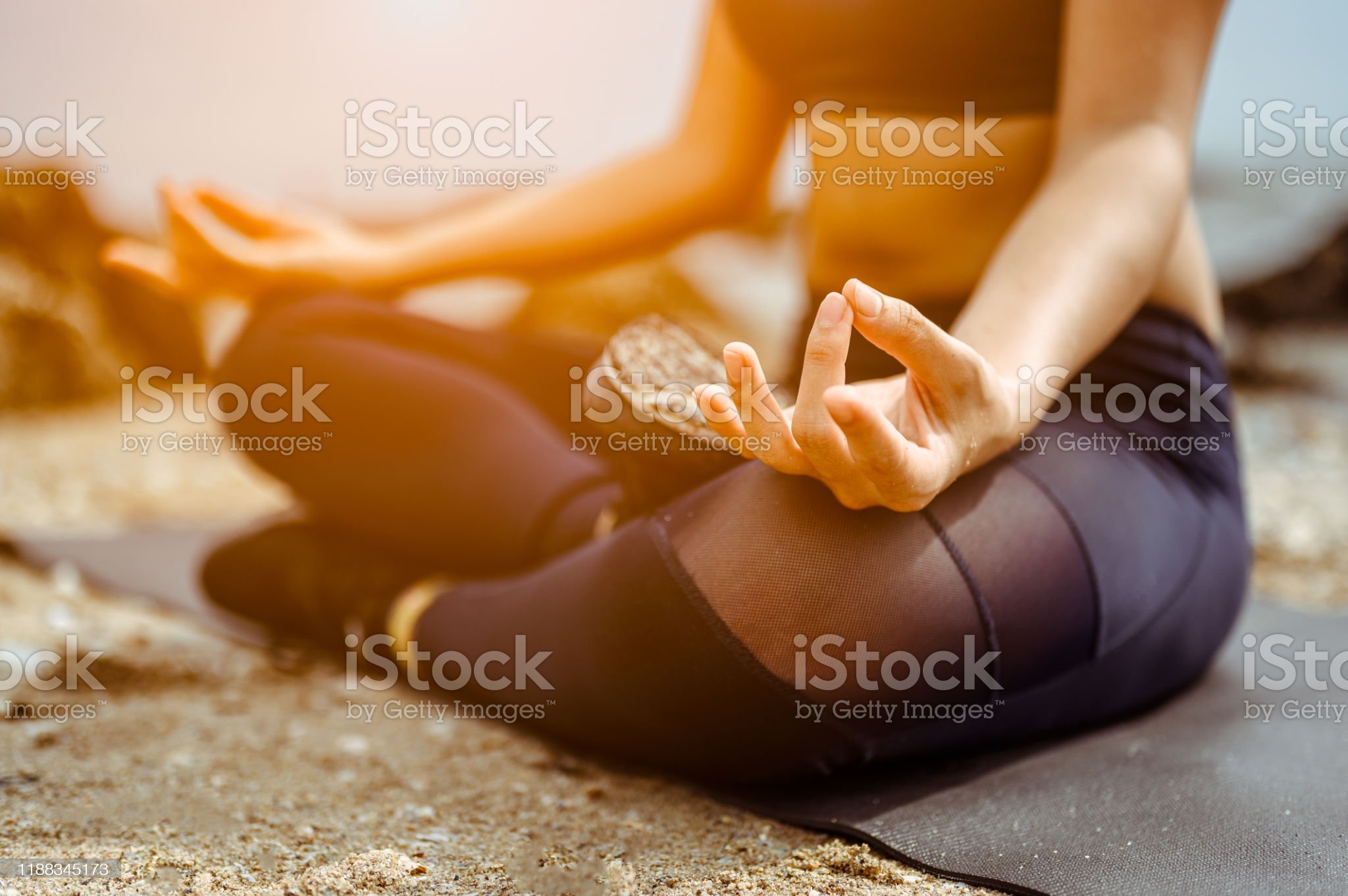
Pilates: An Ideal Exercise for Health and Wellness
Pilates is a form of exercise that focuses on strengthening the
core, improving posture and flexibility, and promoting overall physical balance
and wellness. Developed in the early 20th century by Joseph Pilates, the method
is based on a series of controlled, flowing movements that engage the body's
deep stabilizing muscles.
One of the key principles of Pilates is "contrology,"
which emphasizes the use of precise, controlled movements to engage the deep
stabilizing muscles of the core, including the transverse abdominis, the
multifidus, and the pelvic floor muscles. This helps to create a strong, stable
foundation for movement, which in turn improves posture, balance, and overall
physical function.
Another key principle of Pilates is "centering," which
involves engaging the deep core muscles to support and control movement. This
allows for movements that are both efficient and safe, reducing the risk of
injury.
The practice of Pilates also emphasis on breathing technique,
which is deeply integrated into the movement and help to oxygenate the body,
reduce stress and tension, and improve overall physical and mental well-being.
The Pilates method includes a wide variety of exercises, including
mat work and equipment-based exercises, such as those performed on the
reformer, the Cadillac, and the Wunda chair. The use of various Pilates
equipment such as resistance bands, balls, and weights can also provide
additional challenges and help to progress the workout.
One of the benefits of Pilates is that it is adaptable to people
of all fitness levels, body types, and ages. It can be modified to suit
individual needs and fitness goals. It can be an effective form of exercise for
people recovering from injury or illness, as well as for athletes and dancers
seeking to improve their performance and reduce the risk of injury.
Pilates also helps to improve flexibility and mobility. The
controlled, flowing movements of Pilates help to stretch and lengthen muscles,
improve range of motion, and reduce muscle tension. This can help to improve
posture, reduce back pain, and prevent injury.
In addition to the physical benefits, Pilates can also have a
positive impact on mental well-being. The focus on controlled movement, proper
breathing, and the mind-body connection can help to reduce stress and tension,
improve concentration and focus, and promote a sense of calm and relaxation.
In conclusion, Pilates is a form of exercise that can provide a wide range of physical and mental health benefits. It is suitable for people of all ages, fitness levels and body types, can help to improve posture, balance, and physical function, and can promote overall wellness and well-being. It is an ideal exercise for those looking to improve their fitness and health, recover from injury, or achieve a sense of balance and control in their lives.
Also read: The Dangers of Fad Diets for Children and Teens






Leave a Reply