
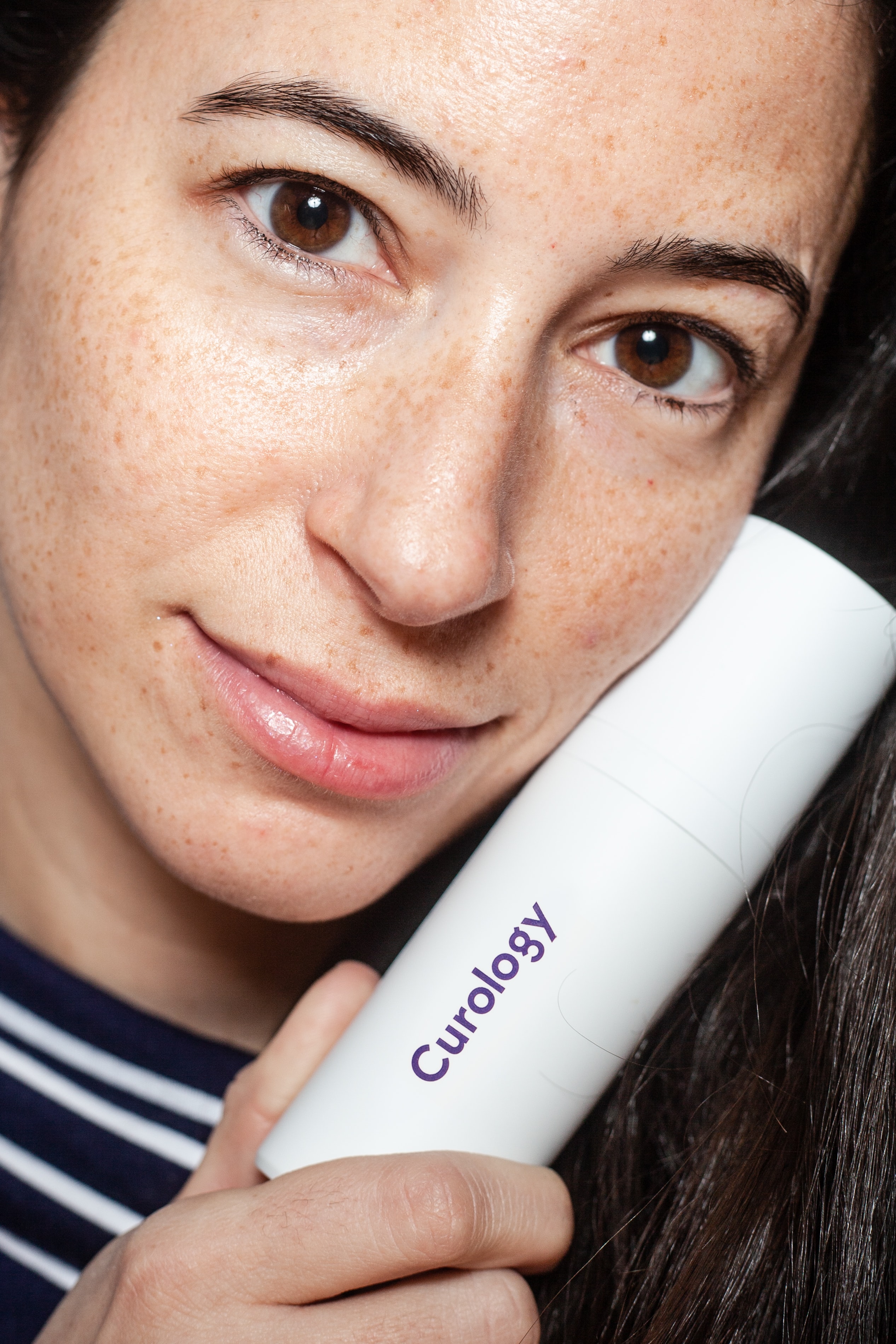
Pigmentation Situations
A skin pigmentation
issue is a medical ailment that alters the skin's color. Skin's color is
determined by the pigment melanin. Melanocytes, which are specialized skin
cells, produce it. Skin color can be impacted when melanocytes are injured or
unable to generate enough melanin. Depending on the etiology and course of the
condition, a loss of pigment might affect one small portion of the body or the
entire body. Skin pigmentation problems can be caused by a variety of medical
conditions. Melasma, albinism, and vitiligo are some of the disorders that
cause skin coloring.
Skin Pigment Disorders Types
There are several forms
of skin pigment disorders, each with its own pattern of skin alterations and,
in some cases, additional complications.
Albinism
Albinism is a
hereditary condition caused by mutations in genes that code for melanin
synthesis instructions. Several genetic abnormalities prevent the body from
producing or distributing melanin.
Albinism is
distinguished by a lack of color in the hair, skin, or eyes. These symptoms
might affect the entire body or just certain areas of skin. A person with
albinism may have some color in their hair, skin, and eyes in certain
situations, but it will be lighter than usual.
Melasma
Melasma is a frequent
pigmentation issue of the skin. It is also known as chloasma or the pregnant
mask, and it primarily affects women. Melasma is more common in those with
darker skin tones.
Melasma is
distinguished by brown or gray spots of skin discoloration on the face. Areas
of the body that are frequently exposed to sunlight may also be impacted. The
patches are usually symmetrical and darker than the natural skin tone on both
sides of the face or torso.
Vitiligo
Vitiligo is a
persistent pigmentation condition of the skin. Vitiligo affects around 1 to 2%
of the world's population, and instances are evenly distributed across all
racial groups. Although there are no negative health consequences, vitiligo has
been demonstrated to induce psychological anguish in persons who have it.
The major sign of
vitiligo is a total loss of color in the skin, resulting in white areas. It can
appear anywhere on the body and impact tiny or big sections of skin.
Vitiligo
Vitiligo is most prone
to emerge in regions where there is a lot of sun exposure, such as the hands,
feet, face, and arms. It can also cause problems with the lips, eyes, groin,
and genitals. Parts of the head can also be affected, most notably the hair
roots on the scalp, and a person's hair may become white or gray in some cases.
Skin Damage Causes Pigment Changes
Skin can turn
discolored when it is injured. Wounds and burns, for example, can create
long-term or permanent skin discoloration, depending on the severity.
The level of skin
discoloration caused by burns is determined by the severity of the burn. Skin
darkening is common with third-degree burns, second-degree burns, and
superficial partial-thickness burns.
A bigger wound is more
likely to induce aberrant pigmentation due to scar tissue production, but a
minor wound can heal without leaving any scars.
The majority of scars
are flat scars, and they will be pink or red and somewhat elevated on the skin
during the first phases of healing. In some circumstances, the scar may fade to
match the original skin tone, while in others, scars may seem lighter or darker
than the skin's natural hue.
Stretch marks are
another form of scar with irregular pigmentation. They are usually caused by
fast skin development or shrinkage, such as during pregnancy or weight loss and
gain. Stretch marks are red, purple, or dark brown when they first appear, and
they ultimately fade to a white or silver tint.
Freckles and liver spots induced by sun exposure are two more forms of skin damage discolorations, as is post-inflammatory hyperpigmentation caused by injury scarring or acne scarring.
Also read: Things
you have to do to attend to your skin






Leave a Reply