
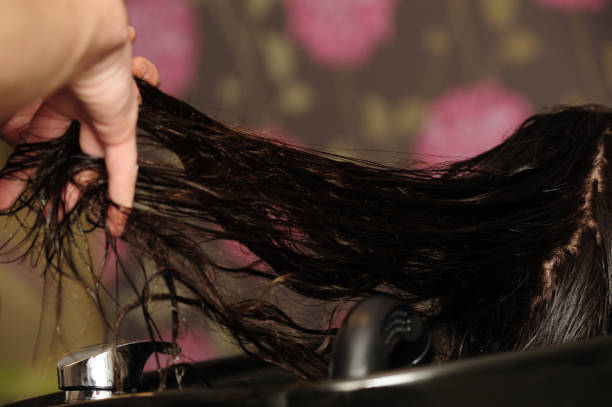
Oily Hair: What You Need to Know
Oily hair can be a frustrating and difficult problem to
manage. Many people struggle with oily hair and wonder why it happens, how to
control it, and what they can do to prevent it from happening in the first
place. In this article, we will take a closer look at oily hair, including its
causes, symptoms, and treatment options.
First, it's important to understand what causes oily hair.
Oily hair is caused by an overproduction of sebum, which is an oil that is
produced by the sebaceous glands in the scalp. The sebaceous glands are
responsible for keeping the hair and scalp moisturized and healthy. However,
when these glands produce too much sebum, it can cause the hair to become
greasy and oily.
There are several factors that can contribute to oily hair,
including genetics, hormonal changes, diet, and certain medications. For
example, people who have a family history of oily hair are more likely to
experience this problem themselves. Hormonal changes, such as those that occur
during puberty, pregnancy, or menopause, can also affect sebum production.
Additionally, a diet high in processed foods, sugar, and saturated fats can
contribute to oily hair by causing inflammation in the body. Certain
medications, such as birth control pills or steroid medications, can also cause
oily hair.
Symptoms of oily hair include greasiness, a shiny
appearance, and a heavy feeling in the hair. Oily hair can also be difficult to
style, as it tends to be limp and lifeless. Additionally, people with oily hair
may notice that they need to wash their hair more frequently than normal to
keep it looking clean and fresh.
There are several things that you can do to control oily
hair and prevent it from becoming a problem. One of the most important things
is to maintain a healthy diet. Eating a diet that is rich in fruits and
vegetables, lean protein, and healthy fats can provide your body with the
nutrients it needs to produce healthy hair. Additionally, drinking plenty of
water can help to keep your hair hydrated and reduce oiliness.
Another important step in controlling oily hair is to use
the right hair care products. Look for shampoos and conditioners that are
specifically formulated to control oiliness. Avoid using products that contain
harsh chemicals or sulfates, as these can strip the hair of its natural oils
and make it even oilier. Also, avoid using styling products that contain oil,
such as hair oils, pomades, and hair waxes. Instead, try using a leave-in
conditioner that can moisturize and nourish the hair without leaving it feeling
oily.
In addition to these tips, there are also several natural
remedies that can help to control oily hair. One popular remedy is to use a
homemade hair mask. A mixture of one egg white, one tablespoon of lemon juice,
and one tablespoon of honey can help to absorb excess oil and leave your hair
looking refreshed. Another remedy is to rinse your hair with cold water. Hot
water can cause the hair to produce more oil, so rinsing with cold water can
help to close the cuticle and reduce oiliness.
If you find that your hair is excessively oily, you can also
try using a dry shampoo. You can make your own dry shampoo by mixing cornstarch
or baking soda with a small amount of cocoa powder (for dark hair) or talcum
powder (for light hair). Dry shampoo can help to absorb excess oil and leave
your hair looking refreshed.
It's also important to avoid crash dieting and restrictive
eating. These can cause nutrient deficiencies that can negatively impact your
hair health. Instead, focus on eating a balanced diet that is rich in vitamins,
minerals, and antioxidants. Certain vitamins and minerals, suchas vitamin A,
vitamin E, and zinc, are particularly important for healthy hair. Foods that
are high in these nutrients include sweet potatoes, spinach, and oysters.
Another important step in controlling oily hair is to
maintain a regular hair washing routine. While it's important to avoid
over-washing your hair, which can strip it of its natural oils, it's also
important to wash your hair often enough to remove excess oil and buildup.
Washing your hair every other day or every two days is typically sufficient for
most people.
If you are experiencing excessive oiliness despite trying
these tips and remedies, it may be a good idea to see a doctor or a
trichologist. In some cases, oily hair can be a symptom of an underlying
medical condition such as hormonal imbalances or a scalp infection. A doctor or
trichologist can help to determine the cause of your oily hair and provide a
personalized treatment plan.
In conclusion, oily hair can be a frustrating and difficult problem to manage, but there are several things that you can do to control it. By maintaining a healthy diet, using the right hair care products, and trying natural remedies, you can help to reduce oiliness and achieve healthier, more manageable hair. If you are experiencing excessive oiliness despite trying these tips, it may be a good idea to see a doctor or trichologist for a personalized treatment plan. Remember, what works for one person may not work for another, so it's important to experiment and find what works best for you.
Also read: The Best Haircuts for Oblong Faces






Leave a Reply