
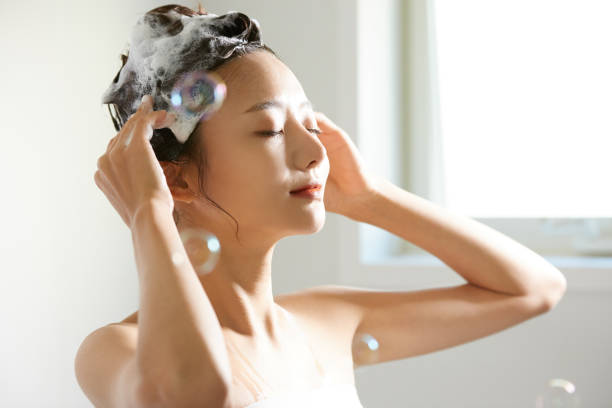
Oily Hair: How to Keep it Under Control
Oily hair can be
a frustrating and difficult problem to manage, but there are several ways to
keep it under control. In this article, we will take a closer look at the
causes of oily hair, the best hair care practices for oily hair, and tips for
controlling oiliness.
Understand the
causes of oily hair: Oily hair is caused by an overproduction of sebum, which
is an oil that is produced by the sebaceous glands in the scalp. The sebaceous
glands are responsible for keeping the hair and scalp moisturized and healthy.
However, when these glands produce too much sebum, it can cause the hair to become
greasy and oily. Understanding the causes of oily hair, such as genetics,
hormonal changes, diet, and certain medications, can help you to find the best
solutions for your hair type.
Maintain a
healthy diet: Eating a diet that is rich in fruits and vegetables, lean
protein, and healthy fats can provide your body with the nutrients it needs to
produce healthy hair. Additionally, drinking plenty of water can help to keep
your hair hydrated and reduce oiliness.
Use the right
hair care products: Look for shampoos and conditioners that are specifically
formulated for oily hair. Avoid using products that contain harsh chemicals or
sulfates, as these can strip the hair of its natural oils and make it even
oilier. Also, avoid using styling products that contain oil, such as hair oils,
pomades, and hair waxes. Instead, try using a leave-in conditioner that can
moisturize and nourish the hair without leaving it feeling oily.
Experiment with
different hairstyles: Some hairstyles can make oily hair more noticeable, while
others can help to conceal it. For example, a bob or pixie cut can help to
reduce the amount of hair that is in contact with the scalp, while a long,
layered haircut can help to conceal oily roots. Experimenting with different
hairstyles can help you to find the best one for your hair type and lifestyle.
Be mindful of
your hair washing routine: Overwashing the hair can strip it of its natural
oils and make it oilier in the long run. On the other hand, not washing your
hair enough can cause buildup and make it appear greasier. Finding the right
hair washing routine that works for you can help you to achieve the perfect
oily hair balance.
Try natural
remedies: There are several natural remedies that can help to control oily
hair, such as using a bentonite clay mask, an egg and lemon juice mask, a
yogurt and honey mask, an apple cider vinegar and green tea mask, or an aloe
vera and tea tree oil mask. These masks can help to absorb excess oil, remove
buildup, and balance the pH of the scalp. Experimenting with different natural
remedies can help you to find the best one for your hair type.
Go for regular
hair trims: Regular hair trims can help to remove damaged and split ends, which
can make your hair appear greasier. Trimming your hair every 6-8 weeks can help
you to maintain a healthy hair balance and improve the overall appearance of
your hair.
Avoid heat
styling: Heat styling tools such as hair dryers, straighteners and curling
irons can strip your hair of its natural oils, making it appear greasier. If you
must use heat styling tools, make sure to use a heat protectant spray to
minimize the damage caused by the heat.
Use blotting
papers: Blotting papers can be a quick and easy way to absorb excess oil from
the scalp without washing your hair. They are easy to carry around and can be
used throughout the day to keep your hair looking fresh and clean.
Use dry shampoo:
Dry shampoo can be a lifesaver for oily hair. It can help to absorb excess oil
and give your hair volume and texture. It is also a great option for those days
when you don't have time to wash your hair.
Consult a
trichologist: If you are still experiencing excessive oiliness despite trying
these tips, it may be a good idea to see a trichologist. They are experts in
hair and scalp health and can provide a personalized treatment plan that
addresses your specific hair issues.
In conclusion, keeping oily hair under control requires a combination of understanding the causes of oily hair, maintaining a healthy diet, using the right hair care products, experimenting with different hairstyles, being mindful of your hair washing routine, trying natural remedies, going for regular hair trims, avoiding heat styling, being mindful of the environment, using blotting papers, using dry shampoo and consulting a trichologist if necessary. With patience and persistence, you'll be able to achieve healthier, more manageable hair.
Also read: How to Achieve the Perfect Hair Balancing Look






Leave a Reply