
Nutrition and Disease Prevention: What You Need to Know
Proper nutrition plays a crucial role in maintaining good health and preventing
disease. A balanced diet that includes a variety of fruits, vegetables, whole grains,
lean proteins, and healthy fats can help provide the necessary vitamins, minerals,
and nutrients the body needs to function properly.
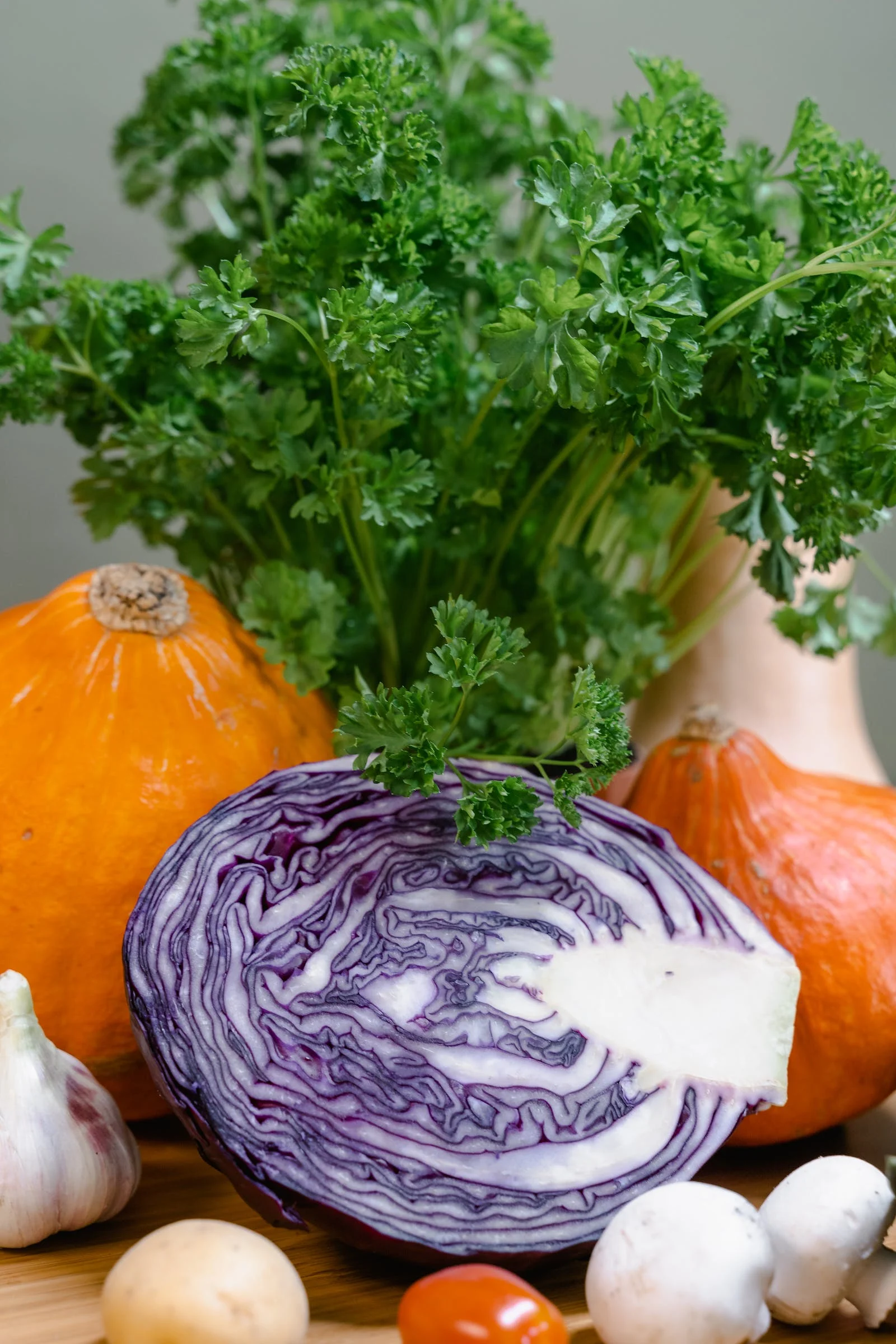
Eating a diet rich in fruits and vegetables can lower the risk of heart disease, stroke,
and certain types of cancer. These foods are also high in fiber, which can help
promote healthy digestion and prevent constipation. Whole grains, such as oatmeal,
quinoa, and brown rice, are also beneficial for heart health and can help lower
cholesterol levels.
Lean proteins, such as fish, chicken, and tofu, are important for maintaining muscle
mass and supporting healthy bones. They also help keep us feeling full and
satisfied, which can be helpful for weight management. Healthy fats, such as those
found in nuts, seeds, avocado, and olive oil, provide energy and support brain
function.
It's also important to limit processed foods, added sugars, and saturated fats, which
can increase the risk of chronic diseases. Drinking plenty of water and limiting
sugary drinks can also help prevent weight gain and maintain healthy hydration
levels.
In addition to maintaining a healthy diet, regular physical activity is important for
disease prevention. Exercise can help control weight, lower the risk of chronic
diseases, and improve overall health and well-being.
Another important aspect of disease prevention is getting enough sleep. Adequate
sleep is crucial for maintaining good physical and mental health, and a lack of sleep
has been linked to a number of chronic health conditions, including obesity,
diabetes, and heart disease.
Managing stress is also important for disease prevention. Chronic stress can
contribute to a number of health problems, including heart disease, high blood
pressure, and diabetes. Regular exercise, meditation, and other relaxation
techniques can help reduce stress levels.
It's also important to get regular check-ups and screenings, as early detection and
treatment of health problems can greatly improve outcomes.
Overall, a healthy diet, regular physical activity, adequate sleep, stress management
and regular check-ups are essential in preventing disease and promoting good
health. It's also important to be mindful of what you're eating and to make healthy
choices whenever possible.
Also read:How to Get Fit and Stay Healthy






Leave a Reply