
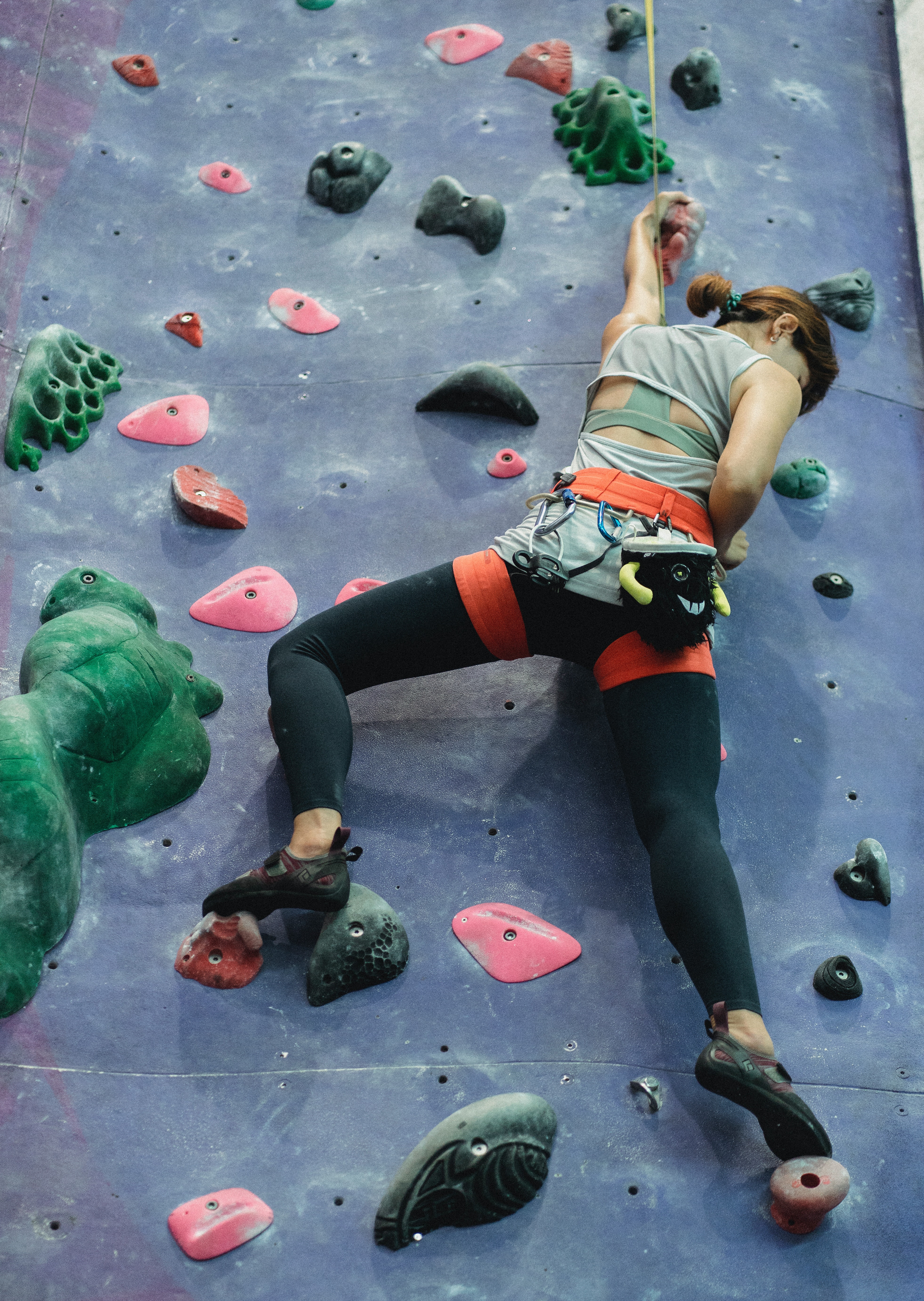
Mountain Climbers in Training
Advanced, high-intensity exercises like mountain climbing
will raise your heart rate and intensify your workouts. This workout is
excellent all-around since it will improve your agility and leg endurance. If
you haven't attempted this motion before, take your time and start with gentle
repetitions. Avoid this activity if you experience any discomfort or pain. For
this exercise, you'll need a lot of core strength as well as upper body
stamina. Most people would find climbing a mountain to be a difficult exercise,
but what if the mountain were the floor? The idea behind mountain climbers is
that. You'll start in a plank posture and alternately bring one knee to your
chest before bringing it back out again, accelerating each time until you're "racing"
against the floor.
Although the movement seems simple, mountain climbers use
practically the whole body and increase heart rate. Mountain climbers are a
simple exercise to include into your morning routine, whether you do them at
home, at the gym, while traveling, or even in the office break room. The
fundamental exercise is excellent for novices, but more seasoned exercisers may
amp things up with variants. Mountain climbers are excellent for enhancing
agility, core strength, and cardiovascular endurance. With mountain climbers,
you engage a variety of muscle groups; in a way, it's like getting a total-body
workout with just one activity. Your core stabilizes the remainder of your body
while your shoulders, arms, and chest strive to stabilize your upper body while
you complete the exercise. Your quadriceps receive a fantastic workout as the
main mover. Additionally, because it's a cardiac activity, you'll burn calories
and help your heart.
You must exercise with perfect form not just to optimize
performance but also to avoid damage. There are a few frequent mistakes that
may make mountain climbers less effective or even hazardous. For instance,
doing the technique while bouncing on your toes is a classic rookie error among
mountain climbers. Although it may seem like the bouncing is a tougher
exercise, your core muscles aren't really as actively used. Another form
mistake you could do is not finishing the action by letting your toes contact
the ground as you raise your knees into your chest. This is particularly true
as the technique speeds up. You won't gain fully from the workout and run the
danger of being hurt if your toes don't contact the ground. If you are
unfamiliar with this action, it is simple to let your weight to transfer
backwards, resulting in a down-dog-like movement of your body. Maintain a
balanced weight with your shoulders above your wrists. Bring your right knee to
your chest while holding a plank stance and elevating your right foot.
1. Return to the plank posture with your right foot, toes on
the floor.
2. Quickly reverse the motion, keeping your left foot off
the ground and bringing your left knee to your chest this time.
3. Lift your right foot and instantly place it in plank
position with your toes on the ground to repeat with your left foot.
4. Quickly switch sides for one minute or the specified
amount of repetitions.
Try modified mountain climbers on a step if you feel the
need to relieve some of the weight off your arms, shoulders, and hands. Use a
step or block to raise your upper body for this variant. If you're recovering
from an injury or are still attempting to increase your upper-body strength,
this might be beneficial. Review the right planking form to make sure the
maneuver is both safe and successful. Poor technique while doing a plank
increases your risk of injury and dramatically reduces the benefits of using
mountain climbers in your exercise program.
If you have injuries or instability in your shoulders or
pelvis, you should avoid mountain climbers. Mountain climbers are a great
exercise for your knees, but you should consult your doctor or physical
therapist before incorporating them into your routine if you've recently
undergone surgery or need to have one (for example, to replace a joint damaged
by arthritis or repair a sports-related injury).
You can develop a disease called diastasis recti, in which the muscles of your abdomen are divided, if you've recently been pregnant or had certain kinds of abdominal surgery. You should refrain from doing this kind of core exercise until your condition has fully recovered.
Also read: How to eat to gain muscle






Leave a Reply