
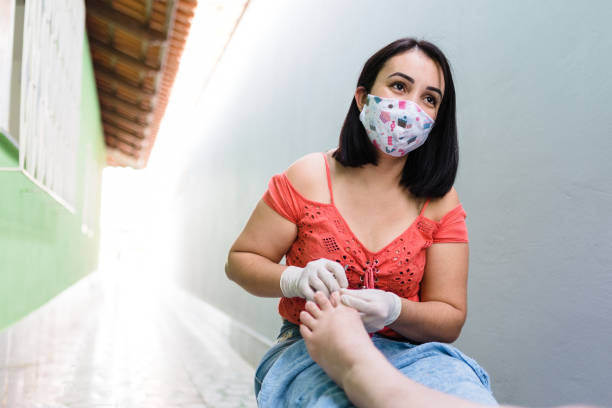
Manicure and Pedicure Safety 101
Manicures and pedicures are popular beauty treatments that
involve the grooming and care of the nails, cuticles, and skin on the hands and
feet. While these treatments can be relaxing and rejuvenating, they can also
pose risks to the health and safety of the person receiving them if proper
precautions are not taken.
To ensure the safety of manicures and pedicures, it is
important to start with clean and sanitized equipment. This includes items such
as nail clippers, files, and buffers, as well as any other tools that may be
used during the treatment. These items should be cleaned and disinfected before
and after each use.
It is also important to use good hygiene practices when
performing a manicure or pedicure. This includes washing hands thoroughly
before and after the treatment, and avoiding the use of tools on any open cuts
or wounds.
Another important aspect of manicure and pedicure safety is
the use of proper products. This includes using high-quality,
professional-grade nail polishes and other products that are free from harmful
chemicals. It is also important to avoid using products that contain
formaldehyde, toluene, or phthalates, which can be harmful to both the person
receiving the treatment and the person performing it.
When performing a pedicure, it is also important to ensure
that the water used is clean and at a safe temperature. The water should be
changed and cleaned after each use, and the person receiving the pedicure
should be provided with disposable slippers or sandals to wear while their feet
are submerged.
It is also important to be aware of potential health
concerns that may arise during a manicure or pedicure. This includes the risk
of infection from cuts or abrasions, as well as the risk of fungal infections
such as athlete's foot or toenail fungus. To minimize these risks, it is
important to avoid cutting the cuticles, use only clean and sanitized tools,
and keep the area dry and clean after the treatment.
In addition to these precautions, it is also important to be
aware of any potential allergies or sensitivities that a person may have to
certain products or materials. This includes being aware of any potential
reactions to latex or other materials that may be used during the treatment.
Overall, ensuring the safety of manicures and pedicures
involves taking the time to properly clean and sanitize equipment, using good
hygiene practices, and using high-quality, professional-grade products. It also
involves being aware of potential health concerns and allergies, and taking the
necessary steps to minimize risks and ensure a safe and pleasant experience for
the person receiving the treatment.






Leave a Reply