
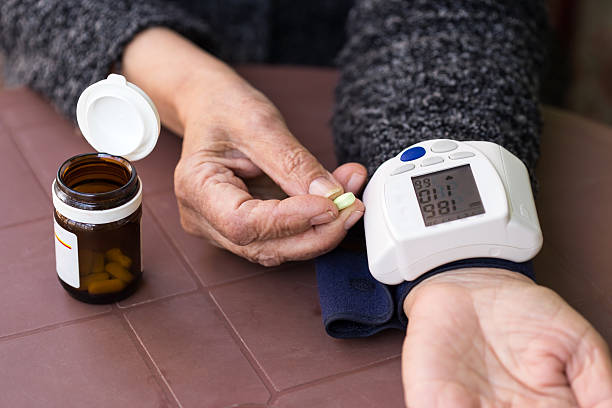
Managing Blood Pressure with Medication
High blood pressure, also known as hypertension, is a common
condition that can lead to serious health problems if left uncontrolled.
Fortunately, there are several medications available that can help lower blood
pressure and reduce the risk of complications.
There are several classes of blood pressure medications,
including:
Diuretics: These medications help the body get rid of excess
salt and water, which can help lower blood pressure.
ACE inhibitors: These medications work by relaxing blood
vessels and blocking the production of a hormone that causes blood vessels to
narrow.
Angiotensin receptor blockers (ARBs): These medications also
relax blood vessels and block the production of the hormone that causes blood
vessels to narrow.
Calcium channel blockers: These medications relax blood
vessels and increase the supply of blood and oxygen to the heart.
Beta-blockers: These medications slow the heart rate and
decrease the amount of blood pumped from the heart.
Aldosterone antagonists: These medications help the body get
rid of excess salt and water and may also help lower blood pressure.
Vasodilators: These medications relax blood vessels and
increase the supply of blood and oxygen to the heart.
The choice of medication will depend on several factors,
including your overall health, other medical conditions, and any other medications
you are taking. In some cases, a combination of medications may be required to
effectively control blood pressure.
It is important to follow the instructions of your
healthcare provider when taking blood pressure medications. This includes
taking the medication as directed, monitoring your blood pressure regularly,
and reporting any side effects or changes in blood pressure to your healthcare
provider.
Common side effects of blood pressure medications may
include headache, dizziness, fatigue, and upset stomach. In rare cases, blood
pressure medications can cause more serious side effects, such as low blood
pressure, kidney problems, or an allergic reaction.
It is also important to make lifestyle changes to help
manage blood pressure, including:
Eating a healthy diet that is low in salt, saturated and
trans fats, and high in fruits, vegetables, and whole grains.
Maintaining a healthy weight.
Exercising regularly.
Quitting smoking.
Limiting alcohol consumption.
Reducing stress through exercise, relaxation techniques, or
counseling.
Managing blood pressure with medication is an important step in reducing the risk of complications and maintaining good health. It is important to work closely with your healthcare provider to determine the best course of treatment for your specific needs. With proper treatment and lifestyle changes, many people are able to successfully manage their blood pressure and reduce their risk of serious health problems.
Also read: Choosing the Right Medication for High Blood Pressure






Leave a Reply