
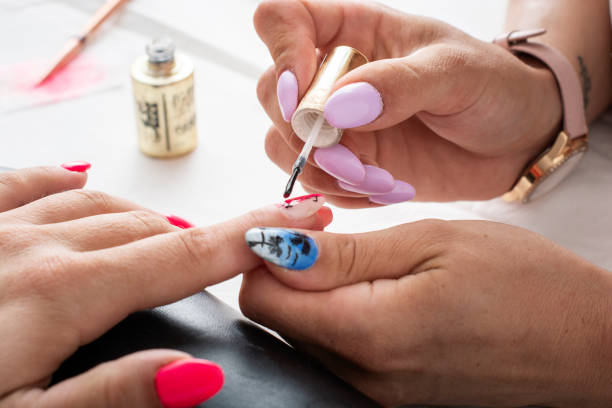
Infections from Unsanitary Nail Salons
Unsanitary nail salons can be a significant source of
infection for customers. The most common types of infections associated with
nail salons include fungal infections of the skin, such as athlete's foot and
tinea pedis, as well as bacterial infections, such as cellulitis and
paronychia.
Fungal infections, such as athlete's foot, can be contracted
from contaminated foot baths or whirlpool pedicure chairs. These infections are
caused by a variety of fungi, including dermatophytes and yeasts, which thrive
in warm, moist environments. The fungi can be spread through direct contact
with contaminated surfaces or through contact with contaminated water.
Bacterial infections, such as cellulitis and paronychia, can
be contracted from unsanitary tools and equipment, such as nail clippers and
cuticle pushers. These infections are caused by a variety of bacteria,
including Staphylococcus aureus and Pseudomonas aeruginosa, which can be found
on the skin or in the environment. Bacteria can be spread through direct
contact with contaminated surfaces or through contact with contaminated water.
To avoid infection from unsanitary nail salons, customers
should look for salons that follow proper sanitation procedures. This includes
using disposable tools and equipment, such as nail files and buffers, as well as
properly cleaning and disinfecting all surfaces and tools between customers.
Additionally, customers should avoid salons that reuse foot baths or whirlpool
pedicure chairs without properly cleaning and disinfecting them between
customers.
Customers should also be aware of the signs of infection and
seek medical attention if they notice any redness, swelling, or discharge from
the skin or nails. Some other signs of fungal and bacterial infections can be
itching, burning, or discoloration of the skin or nails.
In addition to this, customers should also look for salons
that are licensed and inspected by state boards. State boards regulate and
monitor the sanitation and safety practices of salons in their state. If a
salon is found to be in violation of state regulations, it may be closed or
face penalties.
In conclusion, unsanitary nail salons can be a significant
source of infection for customers. To avoid infection, customers should look
for salons that follow proper sanitation procedures, use disposable tools and
equipment, and are licensed and inspected by state boards. They should also be
aware of the signs of infection and seek medical attention if they notice any
redness, swelling, or discharge from the skin or nails. It is important for
customers to take responsibility for their own health and safety by being
vigilant and aware of the risks of unsanitary nail salons.






Leave a Reply