
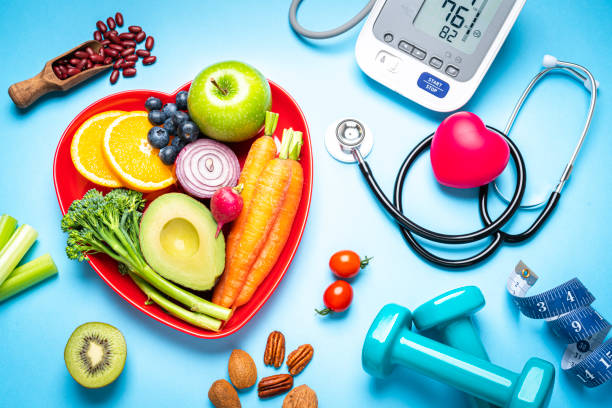
How to Use Lifestyle Changes to Manage Blood Pressure
Lifestyle changes are an important part of managing blood pressure. High
blood pressure, also known as hypertension, can lead to serious health problems
such as heart disease and stroke. By making certain changes to your diet,
exercise routine, and overall habits, you can help lower your blood pressure
and reduce your risk of these conditions.
Diet: Eating a healthy diet is one of the most important things you can
do to manage your blood pressure. This includes reducing your intake of sodium,
which can cause your body to retain fluid and increase blood pressure. Aim for
less than 2,300 milligrams of sodium per day, or even less if you have high
blood pressure. Additionally, eat plenty of fruits, vegetables, whole grains,
and lean protein to help keep your blood pressure in check.
Exercise: Regular exercise can help lower your blood pressure and
improve your overall health. Aim for at least 30 minutes of moderate-intensity
exercise, such as brisk walking, cycling, or swimming, on most days of the
week. If you haven't been active in a while, start slowly and gradually
increase the intensity and duration of your workouts.
Maintain a healthy weight: Being overweight or obese can increase your
risk of high blood pressure. Losing even a small amount of weight can help
lower your blood pressure. Aim for a body mass index (BMI) of 18.5 to 24.9.
Quit smoking: Smoking is a major risk factor for high blood pressure, as
well as many other health problems. If you smoke, quitting is one of the best
things you can do for your health. Your blood pressure will start to decrease
within just a few days of quitting smoking.
Limit alcohol consumption: Drinking too much alcohol can raise your
blood pressure. If you drink, do so in moderation. For men, this means no more
than two drinks per day, and for women, no more than one drink per day.
Manage stress: Stress can temporarily raise your blood pressure. To help
manage stress, try practicing relaxation techniques such as yoga, meditation,
or deep breathing.
Monitor your blood pressure regularly: One of the best ways to manage
your blood pressure is to keep track of it regularly. You can purchase a blood
pressure monitor for home use or check your blood pressure at a pharmacy or
your doctor's office. By regularly monitoring your blood pressure, you can tell
if your lifestyle changes are working and make any necessary adjustments.
In conclusion, lifestyle changes are a key component in managing blood pressure. Eating a healthy diet, exercising regularly, maintaining a healthy weight, quitting smoking, limiting alcohol consumption, managing stress and regularly monitoring blood pressure are some of the steps that can be taken to help keep blood pressure in check. It is important to consult with a healthcare professional before making any changes to your lifestyle.






Leave a Reply