
How to Use Biofeedback to Manage Blood Pressure
Biofeedback is a technique that uses instruments to measure
physiological activity, such as heart rate and blood pressure, and provides
real-time feedback to the user. This information can be used to help
individuals learn to control their physiological responses and manage
conditions such as high blood pressure.
One type of biofeedback used to manage high blood pressure is called
"hemodynamic biofeedback." This technique measures blood flow and
pressure in the fingers or toes and provides feedback on how to increase or
decrease blood flow to these areas. By learning to control blood flow to these
areas, individuals can learn to control their blood pressure.
Another type of biofeedback used to manage high blood pressure is called
"neurofeedback." This technique measures brain activity and provides
feedback on how to change brain waves to reduce stress and anxiety, which can
contribute to high blood pressure.
In addition to these specific types of biofeedback, there are also
general relaxation techniques that can be used to help manage high blood
pressure. These include deep breathing exercises, progressive muscle
relaxation, and guided imagery.
To use biofeedback to manage blood pressure, an individual will
typically begin by meeting with a trained practitioner, such as a biofeedback
therapist or a physician. During the first visit, the practitioner will take a
detailed medical history and conduct a physical examination. They will also
explain how biofeedback works and what to expect during treatment.
After the initial visit, the individual will typically receive
biofeedback training on a regular basis, usually once or twice a week. During
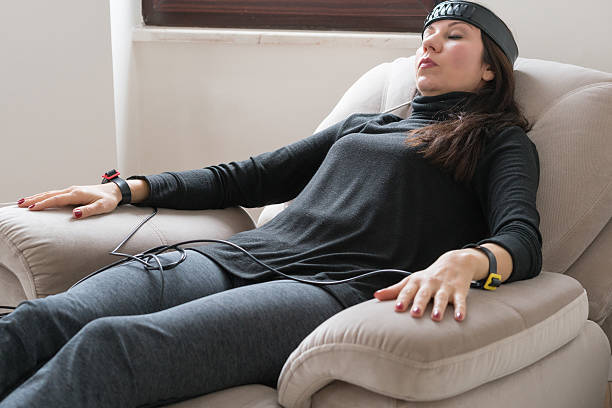
each session, the individual will be hooked up to the biofeedback instruments
and will be shown how to control their physiological responses, such as their
heart rate and blood pressure.
As the individual becomes more skilled at controlling their
physiological responses, they will be able to use these techniques at home,
between sessions.
It's important to note that biofeedback is not a cure for high blood
pressure and should not be used as a substitute for other treatments, such as
medication or lifestyle changes. Instead, it is best used as an adjunct to
these other treatments to help individuals better manage their condition.
In summary, Biofeedback is a technique that uses instruments to measure physiological activity such as heart rate and blood pressure and provides real-time feedback to the user to learn how to control their physiological responses, and manage conditions such as high blood pressure. It is usually done under the supervision of a trained practitioner, typically once or twice a week and should be used in conjunction with other treatments such as medication or lifestyle changes






Leave a Reply