
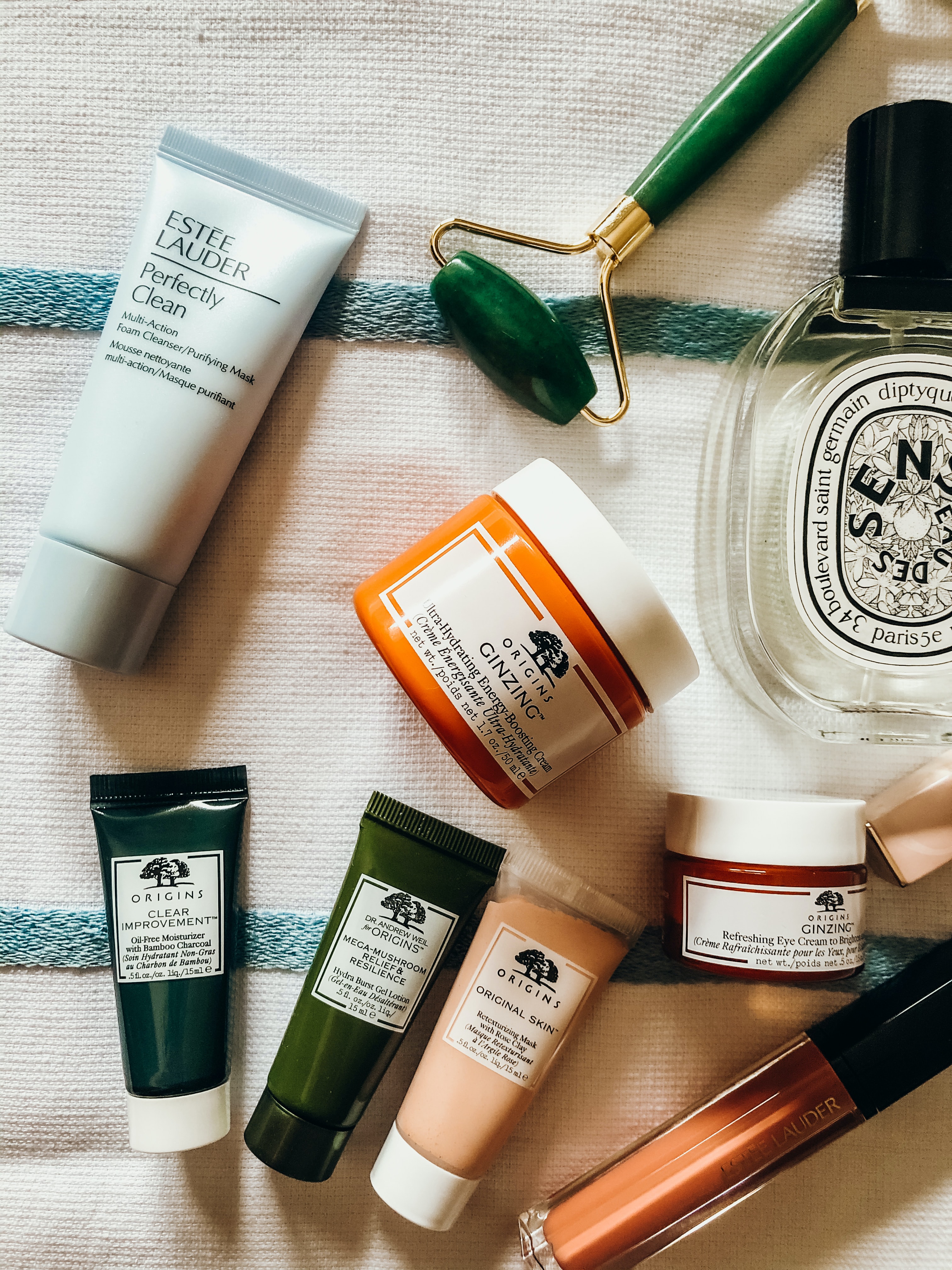
How to Take Care of Your Skin
Begin by developing a daily skin care routine.
1. Cleansing: Select a
cleanser that does not dry out your skin after washing. If you have dry skin
and don't use makeup, clean your face no more than twice a day. Washing for
that squeaky-clean sensation is bad since it removes your skin's natural oils.
Cetaphil and Banila Clean It Zero Sherbet Cleanser are two cleansers that are recognized
to perform effectively for all skin types.
2. Serums: In the
morning, beneath sunscreen, use a serum containing vitamin C, growth factors,
or peptides. Retinol or prescription retinoids function best at night. Makeup
Artist's Choice offers an efficient vitamin C and E serum as well as retinol.
3. Moisturizer: Even
oily skin need moisturizer; however, choose one that is lightweight, gel-based,
and non-comedogenic, or does not clog your pores, such as CeraVe's face lotion.
More cream-based moisturizers, such as MISSHA Super Aqua Cell Renew Snail
Cream, may improve dry skin. On their packaging, most brands will designate
their products as gel or cream.
4. Sunscreen: Apply
sunscreen with at least 30 SPF 15 minutes before going outside, since sunscreen
takes time to activate. Darker skin tones require extra sun protection since
hyperpigmentation is more difficult to treat. The Skin Cancer Foundation
recommends EltaMD's sunscreen, which provides broad-spectrum UVA/UVB
protection.
Choose products that
are appropriate for your skin type and sensitivity, and always read the labels.
Certain products, like as retinol or prescription retinoids, should be used
exclusively at night.
Suitable for all skin
types
Keep hydrated.
At least once a week,
change your pillowcases.
Before going to bed,
wash or wrap your hair.
Apply sunscreen 15
minutes before heading out every day.
Begin with a simple
regimen to watch how your skin reacts. Once you're at ease, you may add
exfoliants, masks, and spot treatments to improve the health of your skin.
Also, remember to patch
test new products, especially if you have sensitive skin. This can aid in the
identification of probable allergic responses.
To patch test a new
product, do the following:
Apply a little quantity
of product to your skin in an inconspicuous location, such as the inside of
your wrist or inner arm.
Wait 48 hours to see if
there is any response.
Examine the region 96
hours after application to see whether there is a delayed reaction.
Irritation, redness,
tiny pimples, or itching are all symptoms of an allergic response. If you
observe these symptoms, thoroughly clean the area you tested with water and a
mild cleaner. Return the product and try another that is more suitable for your
skin type.
Avoid these do-it-yourself hacks.
Lemon juice contains
citric acid, however it is far too acidic and can create black blotches
following sun exposure. It can also cause skin irritation and dryness.
Baking soda: With a pH
of 8, baking soda will stress your skin, substantially reduce its water
content, and produce dry skin.
Garlic can induce skin
allergies, dermatitis, skin irritation, and watery blisters when consumed raw.
Toothpaste: While
toothpaste contains chemicals that fight bacteria and absorb oil, they can also
dry out or irritate your skin.
Sugar: Sugar is too
abrasive as an exfoliator for the skin on your face.
Vitamin E: Topical
vitamin E treatment might irritate your skin and has not been shown to enhance
scar appearance.
Although some of these
substances are natural and inexpensive, they are not designed for your skin.
Even if you don't notice any obvious adverse effects, these substances might
cause long-term or delayed harm. It is preferable to utilize products designed
specifically for your face. Before attempting DIY skin care applications,
consult with your doctor or dermatologist.
Skin Problem Treatment
There are techniques to
treat skin issues without causing harm to your skin. Remember the first rule of
skin care: don't pick! Picking at pimples, blackheads, scabs, or other skin
issues can result in open sores or darker skin areas called hyperpigmentation.
Infections, increased acne, and scarring can all result from open wounds. The
deeper the wound, the more likely scarring.
Here are some
scientifically proven methods for dealing with issue regions.
Acne
Acne treatment is
determined by how severe or deep your acne is. The most essential step in
treating acne is overall skin care, although for minor acne, you can utilize
nonprescription items from your local drugstore such as:
the acid salicylic
peroxide of benzoyl
Alpha-hydroxy acids
(AHAs)
adapalene
tea tree essential oil
Because these products
might create increased skin irritation, always wear sunscreen after using them
in the morning.
Acne patches or
stickers can also be used to treat acute, inflammatory, and isolated pimples.
These are clear, thick patches that act as spot treatments to aid in blemish
healing and infection prevention. Acne patches, like blister bandages, draw out
the fluid, sometimes overnight. Because makeup cannot conceal them, it is
preferable to use them before going to bed.
Filaments of sebaceous
glands
Sebaceous filaments are
small, pale yellow cylinder-like tubes in your pores. These are frequently
mistaken with blackheads, however blackheads are a kind of oxidized acne.
Sebaceous filaments can distort the appearance of your pores, and you may be
tempted to eliminate them by squeezing your skin or using pore strips. However,
if not done correctly, these procedures may have more adverse effects than
advantages for your skin.
You can also cause:
over time
irritation
infection and open
pores
dryness
redness
peeling
Topical retinol or
retinoid treatments can help maintain pores clear and clean. You might also try
rubbing your face for one minute with mineral or castor oil.
An extraction tool can
also be used to remove sebaceous filaments. This is a little metal instrument
with a tiny circle on top.
The safest option is to
get them removed by an esthetician or dermatologist, however you may also do it
at home:
Begin with a fresh face
and instrument.
Press the circle around
the hump gently to check if the filament comes out. Excessive pressure might
result in bruising and scarring.
After that, apply toner
and moisturizer to the affected region.
To avoid infection,
always disinfect your tool with rubbing alcohol before and after usage.
Scars, blemishes, and
hyperpigmentation
Blemishes, scars, and
dark patches might take several weeks to several months to heal and vanish. To
minimize further sun damage and hyperpigmentation, scars and blemishes should
be treated right away with cosmetics and sunscreen.
Other compounds that
have been shown to help erase scars include:
Topical silicone has
been shown in studies to improve scar thickness, color, and texture. You can
use silicone gel for eight to twenty-four hours every day. Look for items that
list silicone dioxide as an ingredient.
Honey: Preliminary
research indicates that honey helps heal wounds and scars. If you're looking
for a home remedy, honey can be a good choice.
Vitamin C: When
shopping for creams and moisturizers, look for this component. When paired with
other lightening compounds such as soy and licorice, vitamin C performs better.
Niacinamide: Research
shows that niacinamide can help minimize blemishes and dark spots, particularly
those caused by acne. People with lighter skin tones benefit from topical
niacinamide concentrations ranging from 2% to 5%.
Retinoic acid: According to one research Trusted Source, a combination of retinoic acid and glycolic acid healed acne scars in 91.4 percent of participants. The Ordinary also sells a retinoid product with a concentration of 2%. Only use products containing this component at night.
Also read: Things
you have to do to attend to your skin






Leave a Reply