
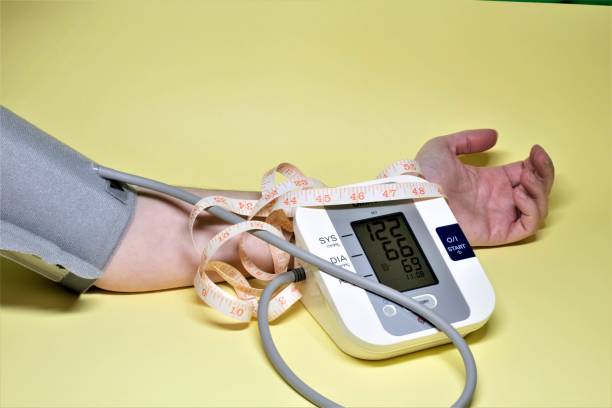
How to Read and Understand Your Blood Pressure Results
Blood pressure is the measure of the force of blood against the walls of
your arteries as your heart pumps it around your body. It is measured in
millimeters of mercury (mmHg) and is recorded as two numbers: systolic pressure
(the higher number) and diastolic pressure (the lower number).
A normal blood pressure reading is around 120/80 mmHg. If your systolic
pressure is between 120 and 129 mmHg and your diastolic pressure is less than
80 mmHg, you have elevated blood pressure. If your systolic pressure is 130
mmHg or higher, or your diastolic pressure is 80 mmHg or higher, you have high
blood pressure (hypertension).
There are several factors that can affect your blood pressure, including
your age, sex, weight, and overall health. Certain medical conditions, such as
diabetes and kidney disease, can also affect your blood pressure.
It's important to have your blood pressure checked regularly, as high
blood pressure often has no symptoms and can lead to serious health problems
such as heart attack, stroke, and kidney damage if left untreated.
When you have your blood pressure checked, it's important to understand
the results so that you can take the necessary steps to manage your blood
pressure and prevent complications.
The first number, or systolic pressure, measures the force of blood
against your artery walls as your heart beats. The second number, or diastolic
pressure, measures the force of blood against your artery walls as your heart
relaxes between beats.
A normal blood pressure reading is around 120/80 mmHg. If your systolic
pressure is between 120 and 129 mmHg and your diastolic pressure is less than
80 mmHg, you have elevated blood pressure. If your systolic pressure is 130
mmHg or higher, or your diastolic pressure is 80 mmHg or higher, you have high
blood pressure (hypertension).
It's important to have your blood pressure checked regularly, as high
blood pressure often has no symptoms and can lead to serious health problems
such as heart attack, stroke, and kidney damage if left untreated.
Your doctor may also take multiple blood pressure readings at different
times to get a more accurate picture of your blood pressure. In addition, your
doctor may also check your pulse and listen to your heart and blood vessels to
check for any abnormalities.
To manage your blood pressure, your doctor may recommend lifestyle
changes such as eating a healthy diet, exercising regularly, maintaining a
healthy weight, and avoiding smoking and excessive alcohol consumption. Your
doctor may also prescribe medication to lower your blood pressure if necessary.
It's important to follow your doctor's recommendations and to have your
blood pressure checked regularly to monitor your progress. If you have high
blood pressure, it's important to work with your doctor to manage it and reduce
your risk of complications.
By understanding your blood pressure results, you can take the necessary
steps to maintain a healthy blood pressure and reduce your risk of serious
health problems.
Note: These are general guidelines and you must consult your healthcare professional for personalized recommendations and management of hypertension.






Leave a Reply