
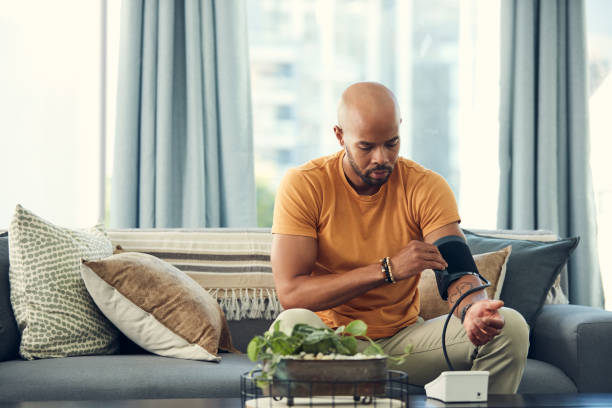
How to Monitor Your Blood Pressure at Home
Monitoring your blood pressure at home is an easy and convenient way to
keep track of your cardiovascular health. By regularly monitoring your blood
pressure, you can detect any changes and take steps to address them if
necessary. Here's a step-by-step guide on how to monitor your blood pressure at
home:
Purchase a blood pressure monitor. You can buy a manual or automatic
blood pressure monitor at most drug stores or online. Make sure to choose a
monitor that has been validated for accuracy.
Prepare for measurement. Before taking your blood pressure, avoid
smoking, caffeine, and physical activity for at least 30 minutes. Also, make
sure you are sitting comfortably in a chair with your back supported and your
feet flat on the floor.
Place the cuff on your arm. The cuff should be placed on your bare upper
arm, about 1 inch above the bend of your elbow. Make sure the cuff is snug but
not too tight.
Take your blood pressure. Follow the instructions on your blood pressure
monitor to take your reading. Be sure to record the date, time, and your blood
pressure readings.
Repeat measurement. Take at least two more readings, one minute apart.
Record the results.
Average your readings. Add the three readings together and divide by
three to find your average blood pressure. This will give you a more accurate
picture of your blood pressure.
Monitor your results. Keep track of your blood pressure readings over
time. If you notice any significant changes or if your blood pressure is
consistently high, consult your doctor.
Lifestyle changes. If your blood pressure is consistently high, your
doctor may recommend lifestyle changes such as eating a healthy diet,
exercising regularly, and maintaining a healthy weight.
Medications. If lifestyle changes alone are not enough to lower your
blood pressure, your doctor may prescribe medications to help lower it.
Follow-up with your doctor. Schedule regular appointments with your
doctor to discuss your blood pressure and any changes to your treatment plan.
In conclusion, monitoring your blood pressure at home is an easy and convenient way to keep track of your cardiovascular health. By regularly monitoring your blood pressure, you can detect any changes and take steps to address them if necessary. Be sure to follow these steps and consult your doctor if you notice any significant changes in your blood pressure. Remember that lifestyle changes, such as eating a healthy diet, exercising regularly, and maintaining a healthy weight, can also help lower your blood pressure.
Also read: Fad Diets: A Risky Solution for Weight Loss






Leave a Reply