
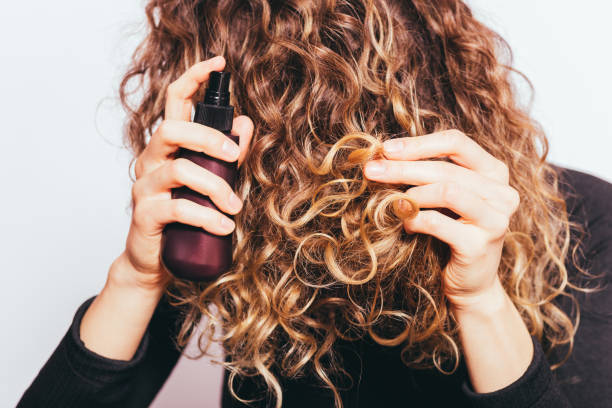
How to Maintain a Healthy Scalp and Oily Hair
Maintaining a
healthy scalp and managing oily hair can be a challenge, but with the right
approach and proper care, it is possible to achieve the desired results.
First, it's
important to understand the causes of oily hair. Oily hair is caused by overactive
sebaceous glands that produce too much sebum, an oily substance that naturally
moisturizes the scalp and hair. This excess sebum can cause the hair to appear
greasy, limp, and lifeless.
To maintain a
healthy scalp and manage oily hair, it's essential to use the right hair care
products. Look for products that are specifically formulated for oily hair, as
they will typically contain ingredients that help to control excess oil and
sebum production. Avoid using heavy, oily products such as pomades, hair oils,
and waxes, as these can weigh down the hair and make it appear even more
greasy. Instead, opt for lightweight, water-based products that will help to
control oil and leave the hair looking fresh and clean.
Another
important step in maintaining a healthy scalp and managing oily hair is to
shampoo frequently. Oily hair requires more frequent washing than dry hair, as
the excess oil and sebum can build up quickly. Aim to shampoo your hair every
other day, or even more frequently if necessary. When shampooing, be sure to
focus on the scalp, as this is where the excess oil is produced. Use a gentle,
pH-balanced shampoo that will not strip the hair of its natural oils.
In addition
to using the right hair care products and shampooing frequently, it's also important
to practice a healthy hair care routine. This includes eating a well-balanced
diet that is rich in vitamins and minerals, getting regular exercise, and
managing stress levels. These steps can help to promote healthy hair growth and
prevent excess oil production.
It's also
important to avoid using heat styling tools, such as hair dryers,
straighteners, and curling irons, as these can further dry out the hair and
scalp, causing the sebaceous glands to produce even more oil. If you must use
heat styling tools, be sure to use a heat protectant product to help shield
your hair from the damaging effects of heat.
Finally,
consider visiting a hair care professional, such as a trichologist or
dermatologist, if you are experiencing persistent scalp or hair issues. They
can help to diagnose any underlying issues and recommend a personalized hair
care plan that will help to keep your scalp and hair healthy.
Overall, maintaining a healthy scalp and managing oily hair requires a combination of the right hair care products, a healthy hair care routine, and regular visits to a hair care professional. By following these steps and being consistent with your hair care routine, you can achieve a healthy scalp and manageable, oil-free hair.
Also read: Scalp Care for Greasy Hair: How to Achieve a Balanced Scalp






Leave a Reply