
How to Lower High Blood Pressure Naturally
High blood pressure, also known as hypertension, is a common condition
that can lead to serious health complications if left untreated. However, there
are several natural ways to lower blood pressure and reduce the risk of related
health issues.
Exercise: Regular physical activity can help lower blood pressure and
improve overall cardiovascular health. Aim for at least 30 minutes of
moderate-intensity exercise, such as brisk walking, cycling or swimming, most
days of the week.
Eat a healthy diet: A diet rich in fruits, vegetables, whole grains, and
lean proteins can help lower blood pressure. Avoid processed foods, sugary
drinks, and excessive amounts of salt.
Maintain a healthy weight: Being overweight or obese can increase the
risk of high blood pressure. Losing even a small amount of weight can help
lower blood pressure and improve overall health.
Limit alcohol consumption: Drinking too much alcohol can raise blood
pressure. Men should limit their intake to no more than two drinks per day,
while women should limit it to one.
Quit smoking: Smoking is a major risk factor for high blood pressure and
other health issues. Quitting smoking can help lower blood pressure and improve
overall health.
Manage stress: Chronic stress can contribute to high blood pressure.
Finding ways to manage stress, such as through meditation, yoga, or deep
breathing exercises, can help lower blood pressure.
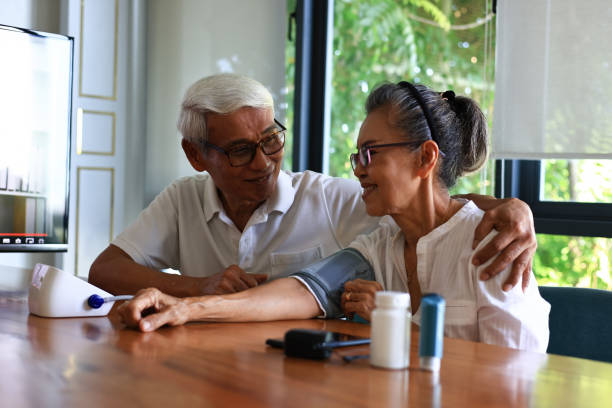
Monitor your blood pressure at home: Checking your blood pressure at
home can help you keep track of your progress and alert you to any potential
problems.
Take medications as prescribed: If your blood pressure is still high
despite making lifestyle changes, your doctor may prescribe medication to help
lower it. It's important to take the medication as prescribed and to follow up
with your doctor regularly.
Try natural supplements: Some natural supplements such as garlic,
omega-3 fatty acids, and magnesium have been found to help lower blood
pressure. However, it is important to consult with a healthcare professional
before taking any supplements, as they can interact with other medications.
Get enough sleep: Not getting enough sleep can contribute to high blood
pressure. Aim for 7-9 hours of sleep each night, and try to maintain a
consistent sleep schedule.
In conclusion, high blood pressure can be managed and lowered naturally
through lifestyle changes such as regular exercise, healthy eating, maintaining
a healthy weight, limiting alcohol consumption, quitting smoking, managing
stress, monitoring blood pressure, taking medications as prescribed, trying
natural supplements, and getting enough sleep. Consult with a healthcare
professional to develop a personalized plan to lower your blood pressure.






Leave a Reply