
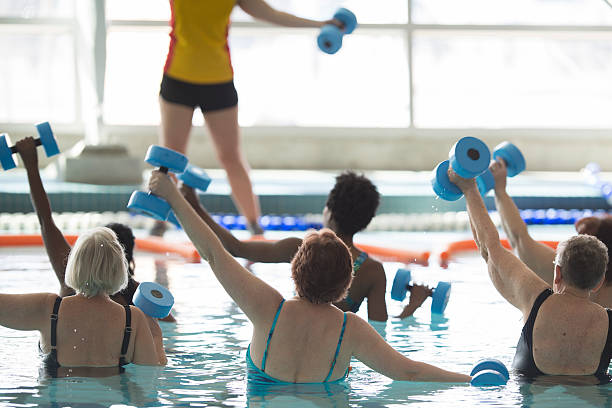
How to Control Blood Pressure with Water Exercise
Water exercise is a great way to
control blood pressure because the water provides resistance, which helps to
strengthen the cardiovascular system and improve circulation. Additionally, the
buoyancy of the water helps to reduce stress on the joints, making it an ideal
form of exercise for people with arthritis or other conditions that affect the
joints.
Start by incorporating water
aerobics into your exercise routine. These low-impact exercises, such as
walking, jogging, and cycling in the water, can help to improve cardiovascular
health and lower blood pressure.
Try water resistance exercises such
as using pool noodles, water weights, or even water-resistant workout bands to
increase resistance and intensity. This can help to build muscle and improve
cardiovascular fitness.
Incorporate stretching and
flexibility exercises into your routine. The water's resistance can provide a
great stretch for muscles, tendons and ligaments, which can help to improve
range of motion and reduce stiffness.
Swimming is also a great form of
water exercise that can help to control blood pressure. The resistance provided
by the water can help to improve cardiovascular fitness and lower blood
pressure, while the buoyancy of the water can help to reduce stress on the
joints.
Take your time and gradually
increase the intensity and duration of your water exercise routine. It is
important to start slowly and gradually increase the intensity and duration of
your exercise as your fitness level improves.
Make sure to stay hydrated during
water exercise by drinking water before, during, and after your workout.
Lastly, it's important to consult
your doctor or healthcare provider before starting any new exercise routine,
especially if you have high blood pressure or any other underlying medical
conditions.
In summary, water exercise is a great way to control blood pressure because it provides resistance, which helps to strengthen the cardiovascular system and improve circulation. Additionally, the buoyancy of the water helps to reduce stress on the joints, making it an ideal form of exercise for people with arthritis or other conditions that affect the joints. It is important to start slowly and gradually increase the intensity and duration of your exercise as your fitness level improves. And always consult your doctor or healthcare provider before starting any new exercise routine.






Leave a Reply