
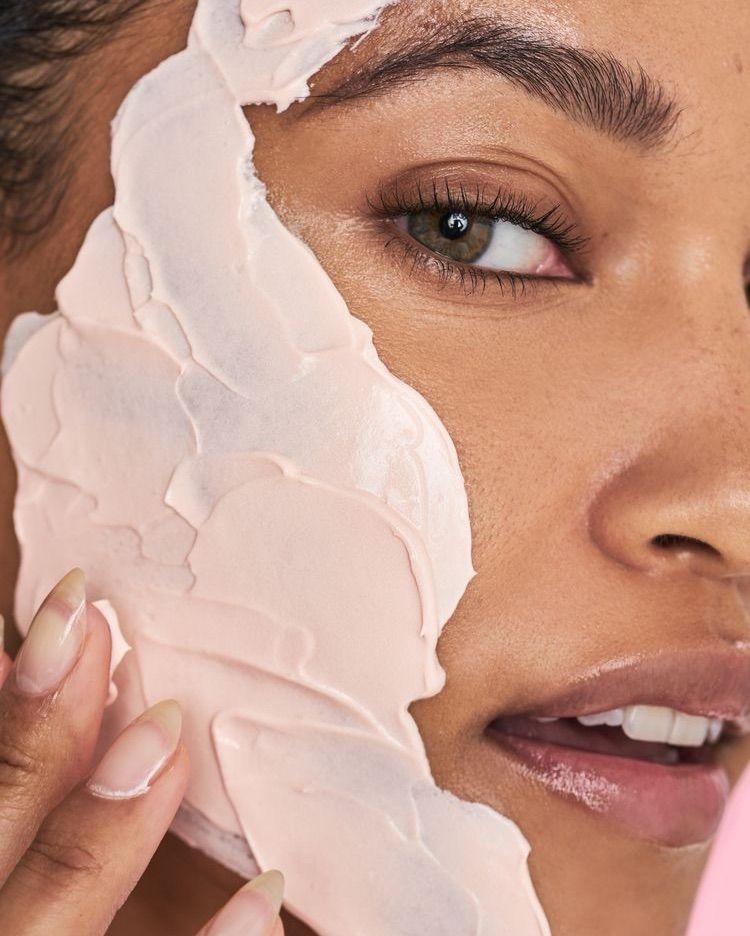
HOW TO ACHIEVE
LUMINOUS SKIN
Having
beautiful skin is something that many people aspire to. While some people view
glowing skin as a cosmetic goal, others view it as an outward indicator of good
health.
The
brightness of the skin can be increased in a variety of ways. People can adjust
their food and lifestyle to enhance the condition of their skin. Additionally,
there are many cosmetics and skin care treatments available that can provide
the illusion of glowing skin.
In
this post, we'll examine glowing skin in more detail, along with the elements
that affect it and strategies for achieving it.
What is skin that glows?
Everyone
has a distinct interpretation of glowing skin. In contrast to dry, dull, or
unevenly textured skin, the term is frequently used to describe skin that
appears healthy and "alive." Some people's healthy skin has a subtle
shine or "glow" to it.
Most
people can work toward having healthy skin. Typically, healthy skin will
appear: even in tone rather than red or inflamed; smooth with few cracks or
blemishes; appropriately moisturized, being neither too dry nor overly greasy.
It is
crucial to remember that flawless skin is not the same thing as healthy skin.
You can't have skin that is flawless. Skin can have regular features like
visible pores, fine lines and wrinkles, birthmarks, and sporadic blemishes
while yet being healthy and glowing.
factors that affect the health of the skin
Everybody
has a unique type of skin. Due to a variety of reasons, some people may be more
naturally able to attain a radiant appearance than others.
The
following elements have an impact on skin health:
· Genes may increase a person's likelihood of
having dry or dull skin. Atopic dermatitis, for example, is connected to some
dry skin diseases through heredity.
· Hormones: Changes in a person's hormone levels
can cause acne outbreaks and alter how oily or dry their skin is. All sexes are
affected by this, especially during puberty, pregnancy, and menopause.
· Medical conditions and prescription drugs: The
health of a person's skin may be impacted by any concurrent medical problems or
prescription drugs they are using. For instance, hormonal birth control may
have a favorable or unfavorable effect.
· Environment: The skin can be negatively affected
by exposure to sunshine, high temperatures, dry air, tobacco smoke, and
pollution.
· Behavior: The skin can be affected by factors
like exercise, stress, food, and water intake. The skin care items someone
utilizes might also improve or hurt their skin's health.
All of
these variables are beyond our control, but there are many things we can do to
support good skin. In the sections that follow, we'll take a closer look at a
few of these.
Skincare for healthy-looking skin
Many
people start using skin care products to get healthy-looking skin. Due to the
numerous businesses that advertise that their goods would give customers
radiant skin, this may seem complicated.
Nevertheless,
according to the Academy of American Dermatology (AAD), skin care does not have
to be difficult or expensive. A straightforward regimen that includes washing,
moisturizing, and sun protection is beneficial to many people.
1. Cleansing
Cleaning
solutions assist in removing grime, makeup, and surplus oil from the skin. It
is crucial to choose a cleaner that is mild, pH-balanced, free of harsh
chemicals, and does not contain soap or other cleaning agents.
Cleanse
your skin after a workout, before bed, and right after waking up. Instead of
using cold or hot water, use warm water, then pat the skin dry with a fresh
towel.
2. Moisturizing
Water
is added to the skin via moisturizers. The AAD advises using moisturizer as
away after cleansing to lock in moisture in the skin for optimum benefits.
While
people with dry skin may choose a thicker moisturizer that incorporates oils or
butters, those with oily skin may prefer an oil-free moisturizer.
3. Sunscreen use
UV
light, which is present in sunlight, can result in burning, sun damage, and
outward symptoms of aging. Applying sunscreen before being outside is a simple
approach to lower the risk. Look for the following qualities in an SPF product:
• broad spectrum
Suitable
for a person's skin type; SPF 30 or above;
All
exposed skin, particularly the area around the eyes and neck, should be covered
with sunscreen. Stay in the shade or wear light clothing and a hat to protect
your scalp when the sun is at its hottest.






Leave a Reply