
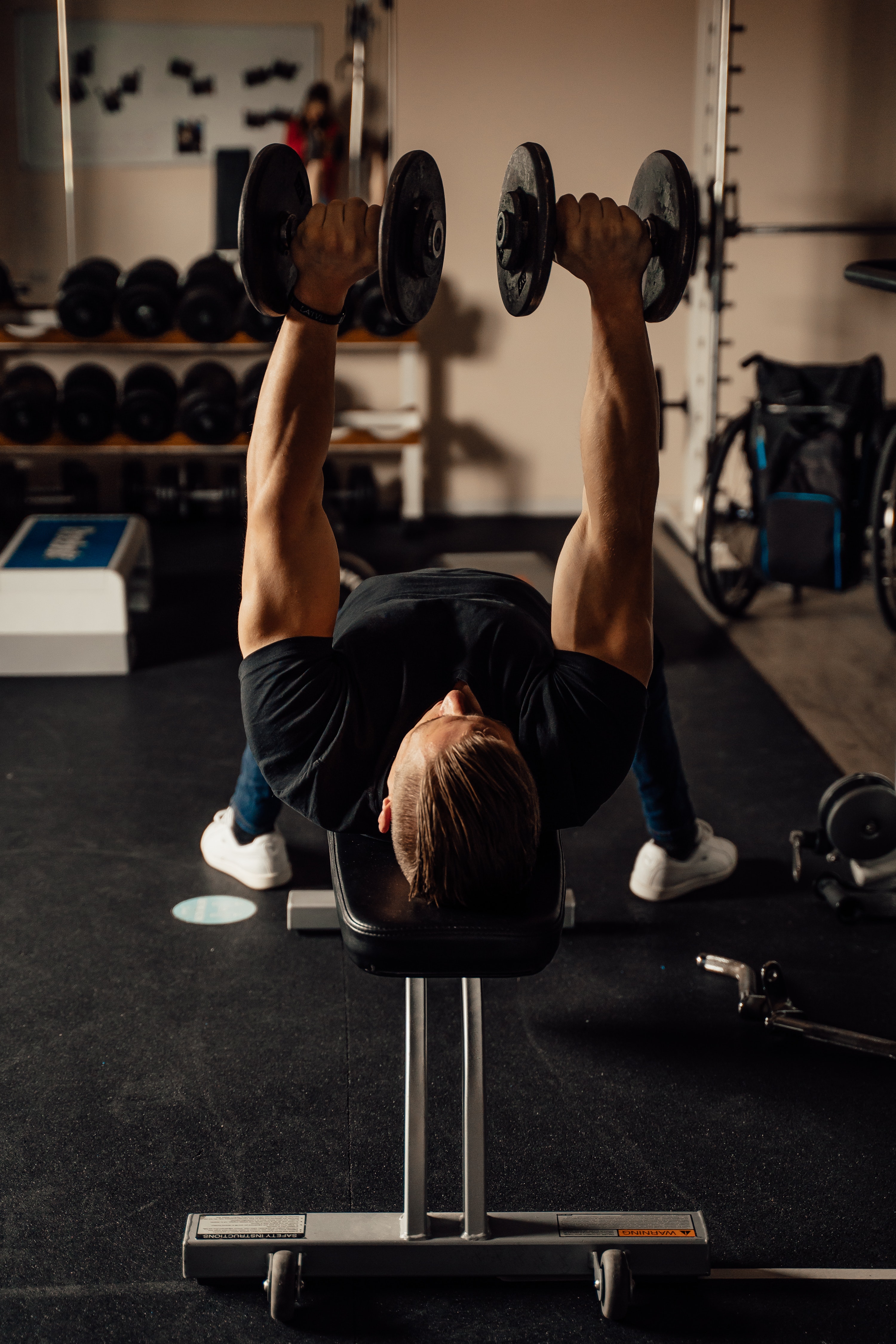
Five Simple Fitness Success Tips
1. Workout Exercise for at least an hour every day.
You don't have to kill yourself by running,
jogging, or whatever, but you should get some modest physical exercise in your
daily life. Do a higher-intensity workout if you want to lose weight quickly.
For example, go for an hour-long vigorous stroll. You may also jog and set
intervals to sprint during that hour. Ensure that you are not in excruciating
agony during your workout. Just a heads up: after a high-intensity workout,
your muscles may ache. It's annoying, but it signals your body is changing for
the better. After each workout, be sure to keep hydrated, stretch, and consume
meals high in protein. The protein will aid in the regeneration of muscles
rather than fat.
2. Consume the Correct Foods and Portion Each Meal
Try to avoid sweets no
matter how much your stomach tells you to choose candy over nutritious meals.
Candy sugar will not help you lose weight. Even if it is only one candy bar, it
will ultimately lead to another. Fruits and vegetables are the healthiest foods
to eat when trying to lose weight. Apples, for example, are effective in
keeping the stomach full for up to 3 to 4 hours. Green veggies like green beans
and broccoli help to keep the digestive system clean and working smoothly.
Also, choose lean meats
such as turkey and chicken. Seafood options such as shrimp and tilapia are also
excellent. These meals are high in protein and nutritious nutrients, which
assist to maintain muscles in shape and ready for workouts. Also, remember to
portion your meals. Portioning meals is essential for maintaining a healthy
metabolism. Instead of three large meals throughout the day, try eating six
times a day and setting smaller servings. This will also enable you to breathe
more smoothly when doing out rather than huffing and puffing for air. Because
you will have less food in your digestive system, more energy will be directed
into your activity.
3. Keep track of your daily calorie and food intake.
Keeping note of how
many calories you consume every day will assist you in organizing your physical
activity. Have you ever wondered why bodybuilders have such large body masses?
This is due to the fact that they plan their meals and consume more (good)
calories than the ordinary individual. Losing weight and achieving a slimmer
shape, on the other hand, will necessitate more physical activity than calories
consumed.
4. Get Plenty of Sleep
Even if most of us work
eight-hour days or nights, it is critical to obtain adequate sleep to replenish
the body's batteries. Six to eight hours of sleep will keep your body
functioning throughout the day, but if you feel exhausted after getting home
from work, take a short nap before exercising. You should only slumber for
around 30 minutes. This will keep you from staying up too late at night.
5. Maintain Your Motivation
Setting objectives and
maintaining a good attitude are vital aspects of staying in shape. If you
maintain your optimistic attitude, you will be able to push yourself to achieve
the fit figure you've always desired.
Understand the distinction between fitness and health.
Most individuals feel
that being healthy and being fit are synonymous. In actuality, they can be
distinct physical states. You might be highly fit but not very healthy, or very
healthy but not very fit. The greatest results are obtained by attempting to
strike a balance between the two; this needs us to distinguish between fitness
and health.
So let us define the
distinction. The World Health Organization defines health as a condition of
complete physical, mental, and social well-being, rather than simply the
absence of sickness or infirmity. It encompasses healthy aging, lifespan,
quality of life, pain relief, and so forth.
Fitness, on the other
hand, is described as a collection of characteristics that people possess or
develop in relation to their capacity to engage in physical activity. Fitness
is made up of several components, and while addressing fitness levels, the
following variables must be considered:
1. Endurance
(Cardiovascular and Cardio-Respiratory): Your body's capacity to use and supply
oxygen to your body is referred to as endurance.
2. Stamina (Muscular
Endurance): The capacity of your body to store, process, and expend energy.
3. Strength: Your
muscles' or a muscular unit's capacity to deliver force.
4. Flexibility: The
capacity to optimize a joint's range of motion.
5. Power: Your muscles'
capacity to exert maximum force in the shortest period of time.
6. Speed: The capacity
to complete a job or movement in the shortest amount of time possible.
7. Coordination: The
capacity to integrate many movement patterns into a single unique movement.
8. Accuracy: The
capacity to direct or regulate movement in a certain direction or intensity.
9. Agility: The
capacity to move quickly from one movement to the next.
10. Balance: The
capacity to manage your body's center of gravity in respect to your support
foundation.
Fitness entails some
type of exercise that stimulates various systems of the body and maintains a
specific state within the body. Health, on the other hand, encompasses every
system of the body and can only be reached by a healthy lifestyle.
For example, if a
client informs me that they have forgotten to eat correctly, ignored the fat
content, and ate largely processed foods, no amount of exercise could possible
undo the harm done by such a lifestyle.
Exercise will not
reverse chemical damage or restore immune system damage or weakness caused by
deficient meals. Only excellent nutrition can help you stay healthy. Of course,
exercising can and WILL promote and improve health if it becomes a WAY OF LIFE.
Our health is mostly determined by hundreds of everyday food decisions.
Ask yourself this
simple question as you continue on your own health path, or if you are just
starting back on track: "Am I on the road to becoming fit and healthy, or
simply fit?" If your response is "simply fit," consider adding
other components of wellness into a more holistic plan that incorporates
physical, mental, emotional, and spiritual health.
If you merely want to get the doctor off your back, consider what you can do to achieve more and enjoy life to the fullest. What is it worth to be healthy if you can't go up the stairs without puffing and being weary all day, or enjoy a holiday? Speak with your Exercise Physiologist to ensure you are addressing both sides of the issue, and create objectives for both health and fitness/performance. Then take a step back and see your success.
Also Read: How to work out at home: tips, equipment and where to find exercises






Leave a Reply