
Fat Diets: A Shortcut to Nutritional Disaster
Fad diets are popular weight loss methods that often promise quick and easy
results. However, these diets are often nutritionally inadequate and can lead to a
variety of health problems.
One of the most common types of fad diets is the low-carb diet. These diets, such as
the Atkins and South Beach diets, promote a high intake of protein and fat while
drastically limiting carbohydrates. While these diets may lead to initial weight loss,
they are often lacking in essential nutrients such as fiber, vitamins, and minerals.
Furthermore, a high intake of saturated fat can increase the risk of heart disease.
Another type of fad diet is the juice cleanse. These diets involve consuming only
juice for a period of time and promise to detoxify the body. However, juice cleanses
do not actually detoxify the body and can lead to nutrient deficiencies. Additionally,
juice is high in sugar, which can lead to weight gain and other health problems.
Fad diets often promote the elimination of entire food groups, such as the gluten-free
diet or the vegan diet. While these diets can be beneficial for individuals with certain
medical conditions, they can also lead to nutrient deficiencies if not properly
planned. Additionally, these diets can lead to disordered eating as individuals may
feel guilty for consuming foods that are “forbidden.”
The most dangerous type of fad diets are the extreme diets that promote rapid
weight loss. These diets, such as the Master Cleanse and the Cabbage Soup diet,
are often nutritionally inadequate and can lead to a variety of health problems such
as fatigue, dehydration, and electrolyte imbalances.
Fad diets are often not sustainable in the long-term and can lead to weight regain
once the individual returns to their normal eating habits. Additionally, fad diets can
lead to a negative relationship with food as individuals may feel guilty for consuming
certain foods or may become obsessed with counting calories or macronutrients.
In conclusion, fad diets are a shortcut to nutritional disaster. They may promise quick
and easy results, but they are often nutritionally inadequate and can lead to a variety
of health problems. Instead of following a fad diet, it is important to focus on a
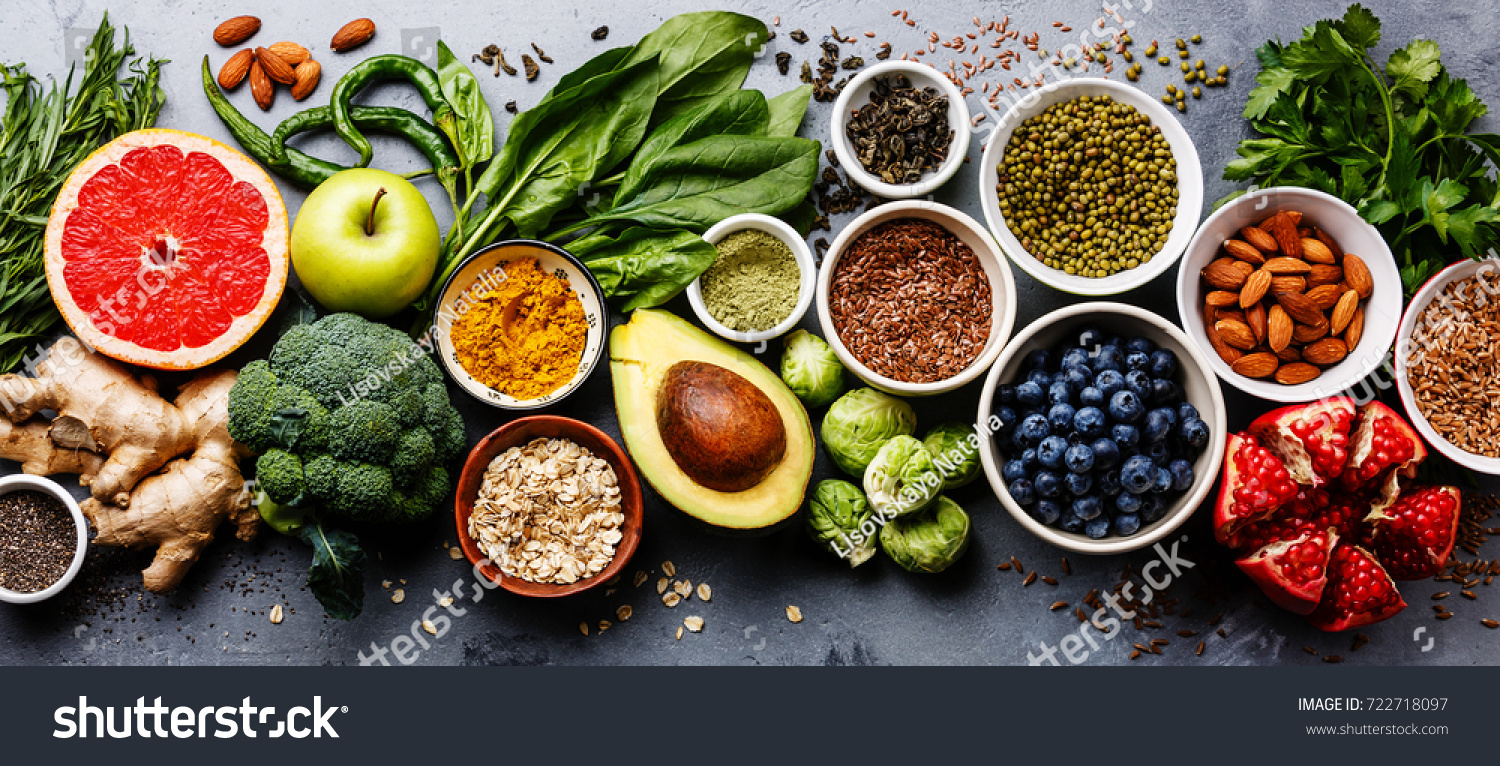
balanced and sustainable diet that includes a variety of nutrient-dense foods.
Additionally, it is important to consult a healthcare professional or a registered
dietitian for personalized nutrition advice.
Also read: Benefits of Vitamin A for Hair and Skin






Leave a Reply