
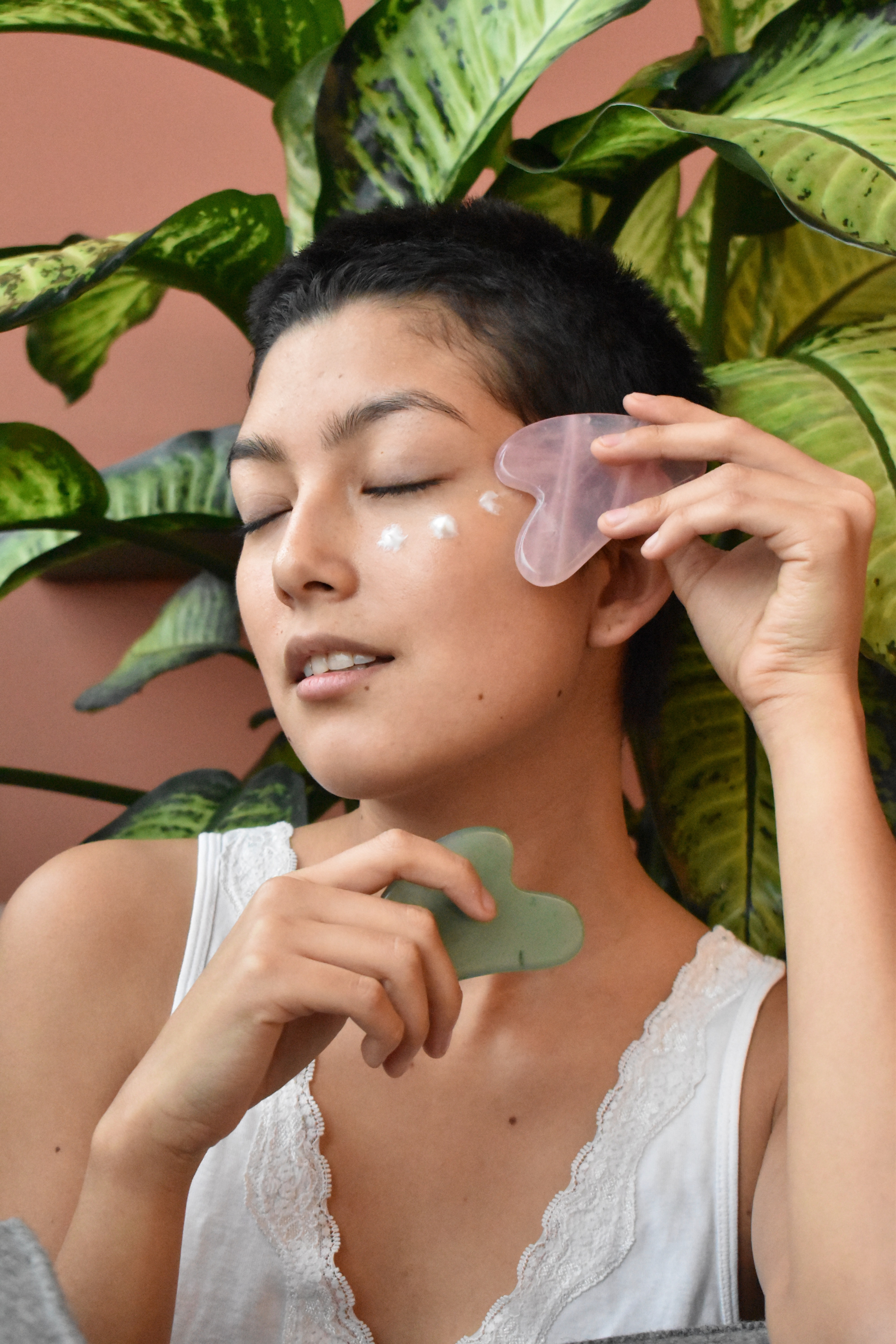
Everyone Should Know These Skincare Basics
Cleanse Once, Then Cleanse Once More
Washing your face twice
is referred to as double cleansing. Whether you use a little or a lot of
makeup, one cleaning is just insufficient. You must cleanse twice to remove all
of the filth, dirt, and pollution that has accumulated on the surface of your
skin, as well as any makeup you apply at the start of your day.
Washing once will
simply remove surface filth, but adding a second wash allows you to properly
infiltrate your pores, draining out any residual dirt and sebum.
To begin, use an oil
cleanser to help remove any makeup, dirt, or sebum that has accumulated on the
surface of your skin. Next, apply a water-based cleaner to aid in the removal
of any water-based impurities such as dirt, perspiration, or other noxious
substance. When combined, this one-two punch should assist your cleanser enter
your skin and let any active components to operate undisturbed.
Always layer your products in the correct order.
Your daily routine
should mirror the construction of a structure, with each brick laid in the
correct order. When things are added out of sequence to the basis of your daily
routine, the entire building might
collapse. For example,
if you use a moisturizer before an eye cream, the active chemicals in the cream
will not be able to permeate your skin adequately since the moisturizer
contains occlusive elements that form a barrier on your skin.
To get the order
perfect, always apply the lightest products first, followed by the heavier
formulas towards the conclusion of your regimen. If you're unsure about which
steps to take when, here's a recommended sequence:
Cleanser
Toner
Cream Spot
Serum
Cream for the Eyes
Moisturizer
Oil
SPF
Allow each product time
to seep into your skin before applying the next.
Understand Your Skin Type
Understanding your
skin's specific needs can help you identify the items that will work best for
you. Everyone has their own distinct skin, and while this may alter over time,
there are particular skin type classifications that you can use as a general
guideline to help you discover the proper kind of skincare product.
Whether you have oily,
dry, sensitive, acne-prone, or normal skin, you must use the appropriate
product. Using a solution developed for dry skin won't do anything to enhance
the tone of your oily skin.
Once you grasp the
features of your skin, you'll have a better understanding of your skin type,
allowing you to begin selecting the appropriate products. Most skincare
companies will mention what type of skin they're made to work on on the label,
but if they don't, go online and read reviews and comments about a product to
decide if it's suited for your skin. Our Wilsonville skin specialist doctor can
also help you evaluate your skin type and whether a product is suited for you.
Spend Time Exfoliating
Exfoliating on a
regular basis - at least once a week - can assist to eliminate dead skin cells
that clog your pores while also improving skin cell regeneration. Regular
exfoliation will not only remove dead skin cells and the debris and germs that
contribute to breakouts, but it will also assist to brighten your complexion
and allow the products you use to penetrate deeper.
The frequency with
which you should exfoliate is entirely dependent on your skin type. If you have
oily skin, consider exfoliating twice or three times each week. If you have dry
skin, you might only need to cleanse once a week.
Never scrape with too
much power as this will injure your skin. Instead, use light pressure and warm,
not hot, water.
Wear sunscreen at all times.
As melanoma rates
continue to rise, we encourage our patients to always use sunscreen when they
leave the house. You must take precautions against excessive sun exposure all
year round, as UV rays may penetrate your skin even in the perennially gloomy
Pacific Northwest.
Use a lightweight SPF composition with at least 30 SPF for the face, such as a moisturizer or invisible shield. If you require any more recommendations, please contact our Wilsonville skin specialist doctor at your next appointment.
Also read: Things
you have to do to attend to your skin






Leave a Reply