
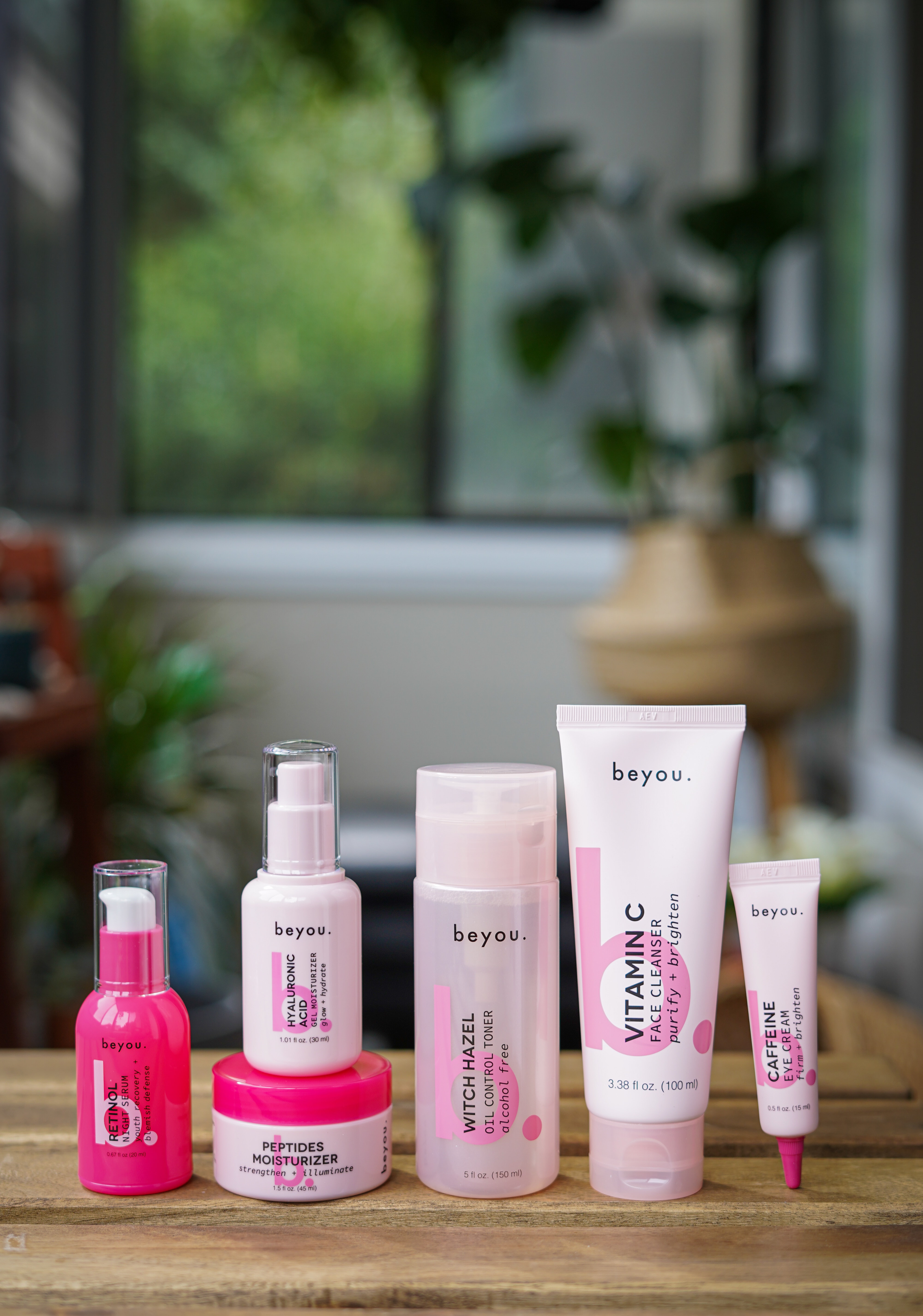
Emollients of Different Types
The appropriate
emollient for you is determined by the origin and severity of your skin
problem, the afflicted area of your body, and your particular preferences. You
might want to experiment with a few different emollients before settling on
one. You may even apply several varieties at different times of the day or
year, depending on how dry your skin is.
The most frequent
approach to categorize emollients is according to how oily or greasy they are.
All emollients soften and smooth your skin, but the amount of oil in them
determines how effective they are as an occlusive agent. The higher the oil
content of an emollient, the better it is in forming a protective barrier on
your skin to trap moisture.
Emollients are classified
as follows:
Ointments
Ointments are usually
made of oil and are quite oily. Because they are thick, they keep your skin
from losing water and do not need to be reapplied as frequently because they
are not absorbed rapidly. They are sticky and difficult to apply to your skin,
especially in hairy places.
Ointments are the
finest emollients for extremely dry or thick skin since they are extremely
hydrating. Because they are dirty and might stain your clothes, many
individuals choose to wear them just at night while sleeping. Because most
ointments do not include preservatives, your skin is less likely to react
negatively to them. They should not be used on leaking or weeping skin.
Creams
Creams include a
mixture of oil and water. They are easier to apply to your skin because of
this, but they are less hydrating than an ointment. They contain enough oil to
keep water in your skin, but are less oily and messy. They are lighter and
simpler to apply than ointments, making them suitable for usage during the day.
They are also heavier and more hydrating than lotions, making them suitable for
usage at night. Because cream emollients absorb more quickly than ointments,
you must reapply them more frequently.
Lotions
Lotions are primarily
water, with a little of oil. They are the least hydrating of the three
emollient kinds. Because they are a liquid, they are simple to apply to your
scalp and other hairy regions of your body.
Because they are thin
and easy to apply, this type of emollient is ideal for usage during the day.
However, because your skin absorbs lotions fast, you must reapply them more
regularly. Because most lotions include preservatives, your skin is more prone
to react negatively to them. Test a new lotion on a tiny area of skin first to
ensure that you do not have an allergic response. On oozing or weeping skin, a
lotion can be used.
How to Apply Emollients
Along with the normal
treatments, reapply it whenever the afflicted region becomes wet. If your hands
are affected, use the emollient after every wash. After swimming or working
out, apply the emollient.
The National Eczema
Association recommends that you use an emollient, or any moisturizer, within
three minutes after washing your hands or coming out of the shower or bathtub,
while your skin is still wet. Pat yourself dry gently, then apply the emollient
before the water evaporates.
Apply the emollient to
your skin by dabbing some on it and gently massaging it in. You don't have to
rub it all in. To avoid blocking your hair follicles, constantly apply it
downward in the direction of hair development.
During periods of the year when you know your skin is dry, or after a flare-up of a skin problem has eased up, you should continue to apply the emollient to keep your skin hydrated and avoid a flare-up.
Also read: Things
you have to do to attend to your skin






Leave a Reply