
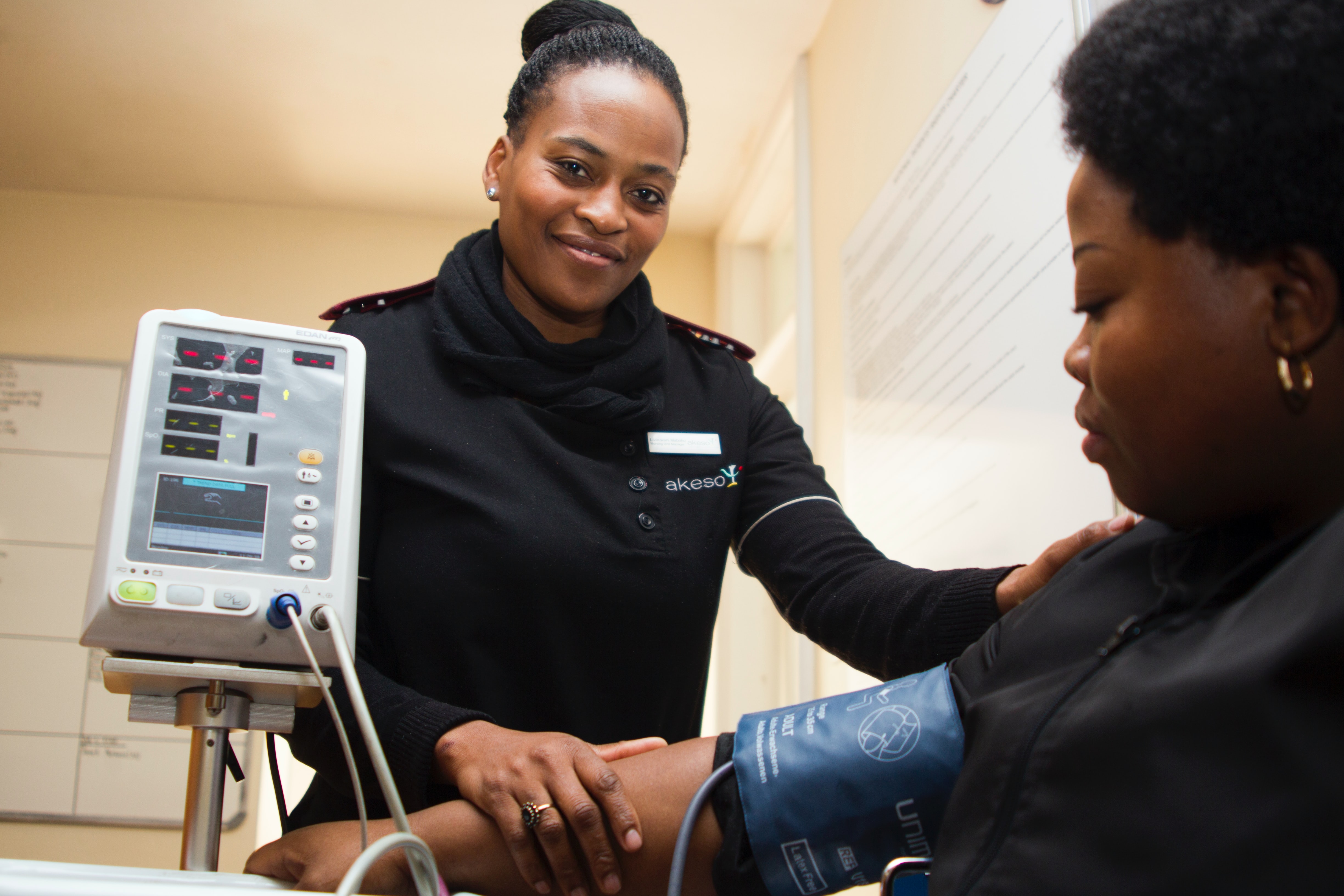
DEVELOPING A TRAINING PROGRAM FOR BETTER HEALTHCARE CUSTOMER SERVICE
Many people dread speaking
with their healthcare professional for a variety of reasons, from getting an
unexpected lab result to being questioned about their personal health history.
Healthcare customer service training is essential to ensuring that your
personnel treat everyone they come into contact with with compassion and skill,
putting your patients at ease at every turn. Here's how to implement customer
service training in the healthcare industry.
What does patient care entail in the healthcare industry?
Any interaction between a
customer and a corporate representative is considered to constitute customer
service. This might occur between a doctor and patient during an office visit
at a distance as great as a chatbot or as close as a stethoscope.
Customers now have additional
options for healthcare providers, from urgent care facilities to clinics in the
rear of pharmacies. Customers want more than just skilled doctors (although
that is still important). They want a satisfying encounter with your office
right from the start. Customers want to feel respected and well-treated, even
in the simple act of responding to a comment on your Facebook page.
The following examples of
healthcare customer service could be used:
·
Making phone, text, or email
appointments
·
Reviewing exam results
afterward
·
Responding to inquiries about
steps (medical and office)
·
Using forms (insurance and
compliance documents)
·
Billing and account inquiries
Patient benefit from customer
service training extends beyond them. Employees who feel competent and
confident in their capacity to assist customers are less likely to become
frustrated and are more likely to stick with their positions. It can be costly
to continually replace personnel if they don't feel encouraged during their
training.
Healthcare customer service
training builds on an employee's strengths and gives them resources to address
any areas of weakness. As a result, both the staff members and the patients
they serve feel appreciated and significant.
How to enhance your training in healthcare customer service
Here are seven suggestions to
enhance your healthcare customer service training in case you're unsure which
ones to try out first (or even where to begin! ):
•
Analyze your training needs.
•
Begin to view patients as
clients.
•
Keep an eye on how staff
members deal with patients.
•
Request patient opinions.
•
Distribute resources
•
Conduct customer service
training for the healthcare industry.
•
Prioritize patient safety.
1. Determine your training needs.
An appraisal of the training
needs should come first in all actions aimed at improving healthcare customer
service. As a result, your learning program's objectives are established, and
skill and ability gaps are found.
Set training-related goals
and objectives at this time. After this is done, you can decide which training
resources you already have that can help you achieve your organization's goals
and which ones you'll need to produce or find.
2. Begin to view patients as clients
Given the variety of healthcare
options available today, this step is not very difficult. Even if the office
staff is rude or forgetful, patients won't stay at your business even if the
practice's leader is an accomplished professional. Think of each patient as a
member of your preferred family. How might that alter the way you handle them?
Alternatively, bear in mind
that people can access healthcare pretty much anywhere they choose. Encourage
them to pick your team.
3. Pay attention to how staff members deal with patients
Many workers will find this stage difficult since they perceive it to be an assessment of their work (which, it is to a certain extent). However, the main objective of the observation is to determine how well the office is performing in terms of customer service. At the very least, are they polite? Further, do they know what to do when they are unable to answer a patient's questions?
Find out: Breakfast will assist in the building of muscle






Leave a Reply