
Dealing with Greasy Hair: A Comprehensive Guide
Dealing with greasy
hair can be a frustrating problem, but with the right hair care routine, it is
possible to keep hair looking fresh and clean. Here's a comprehensive guide on
how to deal with greasy hair:
Understand the
causes of greasy hair: Greasy hair is caused by an overproduction of sebum,
which is the natural oil produced by the scalp. This can be caused by a variety
of factors, including genetics, hormonal changes, diet, stress, and even
certain hair care products. Understanding the causes of your greasy hair can
help you to better address the problem.
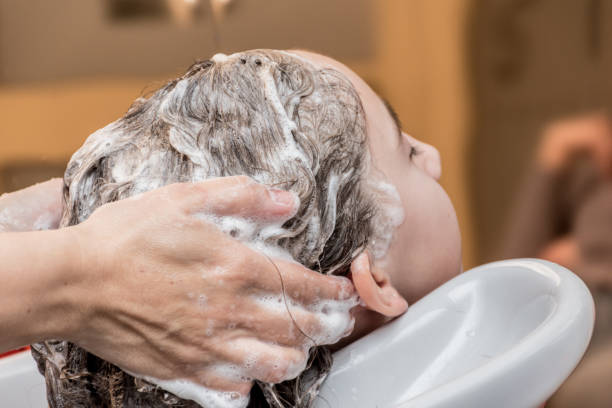
Shampooing: One
of the most important steps in dealing with greasy hair is shampooing
regularly. When choosing a shampoo, look for products that are specifically
formulated for oily hair and avoid those with harsh chemicals or sulfates.
Instead, opt for natural ingredients like tea tree oil, peppermint, and
rosemary
Be mindful of
over-washing: While it is important to shampoo regularly, it is also important
to avoid over-washing hair. Over-washing can strip hair of its natural oils,
leading to dryness and irritation, which can actually cause the scalp to
produce more oil
Use a clarifying
shampoo: A clarifying shampoo can be used once a week to remove buildup and
impurities from the scalp, which can lead to greasiness.
Watch your diet:
Eating a diet that is high in processed foods, sugar, and fried foods can
contribute to greasy hair. Instead, try to eat a diet that is rich in fruits,
vegetables, and lean proteins. This can help to reduce inflammation in the body
and promote healthy hair growth.
Experiment with
hairstyles: Certain hairstyles can make greasy hair more noticeable. Try
experimenting with different hairstyles like a messy bun, a braid, or a
ponytail to help control the appearance of greasiness.
Use hair masks:
Hair masks can be a great way to nourish and hydrate greasy hair while also
helping to manage oiliness. Some of the best hair masks for greasy hair include
tea tree oil hair mask, clay hair mask, egg hair mask, lemon juice hair mask,
apple cider vinegar hair mask, aloe vera hair mask, honey hair mask, and
avocado hair mask.
Avoid heat
styling: Heat styling tools like hairdryers, flat irons, and curling irons can
contribute to greasiness by stimulating the production of oil in the scalp.
Instead, let your hair air dry or style it with a diffuser attachment on your
hairdryer.
Scalp care: Scalp
care is essential for maintaining healthy, shiny hair, and it is especially
important for those with greasy hair. Regularly exfoliating the scalp and
massaging it can help to remove dead skin cells, impurities, and promote blood
flow, all of which can reduce oiliness.
Identify and
address underlying issues: Sometimes, greasiness can be caused by underlying
issues such as hormonal imbalances, stress, or certain medical conditions. If
you are experiencing persistent greasiness despite your best efforts, it's
important to consult with a healthcare professional or hair professional to
help identify and address underlying issues
Try different
hair styling products: When it comes to styling greasy hair, choosing the right
hair styling products is crucial. Some of the best hair styling products for
greasy hair include dry shampoo, volumizing powder, texturizing spray, sea salt
spray, matte finish hair products, mousse, lightweight oils, hair spray,
anti-frizz serum, and hair powders. It's important to note that these hair
styling products should be used in moderation, as overuse can lead to build-up,
which can weigh hair down and make it look greasier. Additionally, it's important
to choose hair styling products that are specifically formulated for oily hair
and avoid those with harsh chemicals or sulfates. It's always best to test a
small amount of product on your hair and see how it reacts before using more.
Get regular haircuts:
Regular haircuts can help to keep greasy hair under control by removing split
ends and promoting healthy hair growth. This can make hair look healthier and
less greasy overall.
Change your
pillowcases regularly: Pillowcases can absorb oils from your hair, which can
contribute to greasiness. Changing your pillowcases regularly can help to
reduce the build-up of oils and impurities.
Lifestyle
changes: Stress, lack of sleep, and smoking can also contribute to greasy hair.
It's important to manage stress through exercise, meditation, or other
stress-relieving activities and get enough sleep. Additionally, quitting
smoking can help to improve overall hair health.
In conclusion, dealing with greasy hair requires a combination of proper hair care techniques and lifestyle changes. Understanding the causes of greasy hair, shampooing correctly, being mindful of over-washing, using a clarifying shampoo, watching your diet, experimenting with hairstyles, using hair masks, avoiding heat styling, scalp care, identifying and addressing underlying issues, trying different hair styling products, getting regular haircuts, changing your pillowcases regularly, and making lifestyle changes are some of the ways to deal with greasy hair. Remember that everyone's hair is different, so it's important to experiment with different methods to find the best solution for your hair type. It's also important to be consistent with your hair care routine and make the necessary lifestyle changes.
Also read: How to Achieve the Perfect Haircut for Your Face Shape






Leave a Reply