
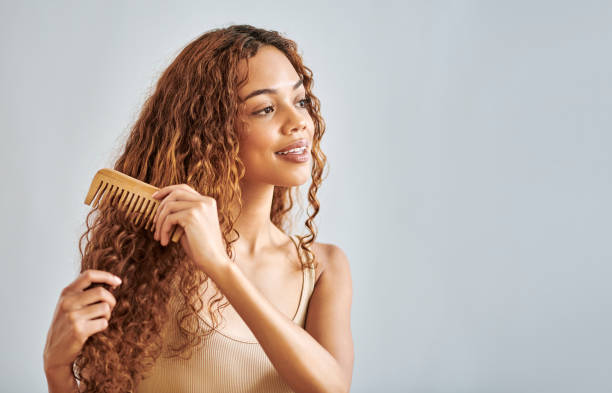
Curly Hair 101: Understanding Your Curl Pattern
Curly hair is often classified into different types, based
on the shape and size of the curls. The most common classification system is
the "Curl Pattern Chart", which categorizes hair into four types:
Type 2 (wavy), Type 3 (curly), Type 4 (coily), and Type 5 (kinky). Within each
type, there are subcategories that further define the specific curl pattern.
Type 2 (wavy) hair typically has a "S" pattern and
can range from loose, beachy waves to tighter, defined waves. Type 2 hair is
typically the most manageable of the curly hair types and often has more shine
than other types.
Type 3 (curly) hair has a defined "S" pattern and
can range from loose, bouncy curls to tight, spiral curls. Type 3 hair can be
prone to frizz and may need more moisture than other types.
Type 4 (coily) hair has a tightly coiled "Z"
pattern and can range from tightly coiled to kinky. Type 4 hair is the most
fragile of the curly hair types and requires the most moisture and specific
care.
Type 5 (kinky) hair is tightly coiled with a "Z"
pattern, and is often the most dry and brittle of all the hair types. Type 5
hair requires the most moisture and specific care.
The key to understanding your curl pattern is to pay
attention to the shape and size of your curls, and to experiment with different
hair care techniques and products to find what works best for you. Some general
tips for caring for curly hair include: using a sulfate-free shampoo, using a
deep conditioner regularly, using a leave-in conditioner, and avoiding heat
styling tools.
It's also important to note that curl patterns can change
over time due to factors such as age, hormones, and damage. It's important to
periodically evaluate your hair's condition and adjust your hair care routine
accordingly.
It's also important to note that everyone's curl pattern is
unique and no one is the same, so what works for one person may not work for
another. It's important to be patient and willing to experiment to find the
best routine for your hair.
Additionally, embracing your natural curls and understanding the unique characteristics of your hair can lead to self-acceptance and self-love. With the right hair care routine and products, you can have healthy, beautiful curls that you can be proud of.
Also read: How to Create the Perfect Double Braid






Leave a Reply