
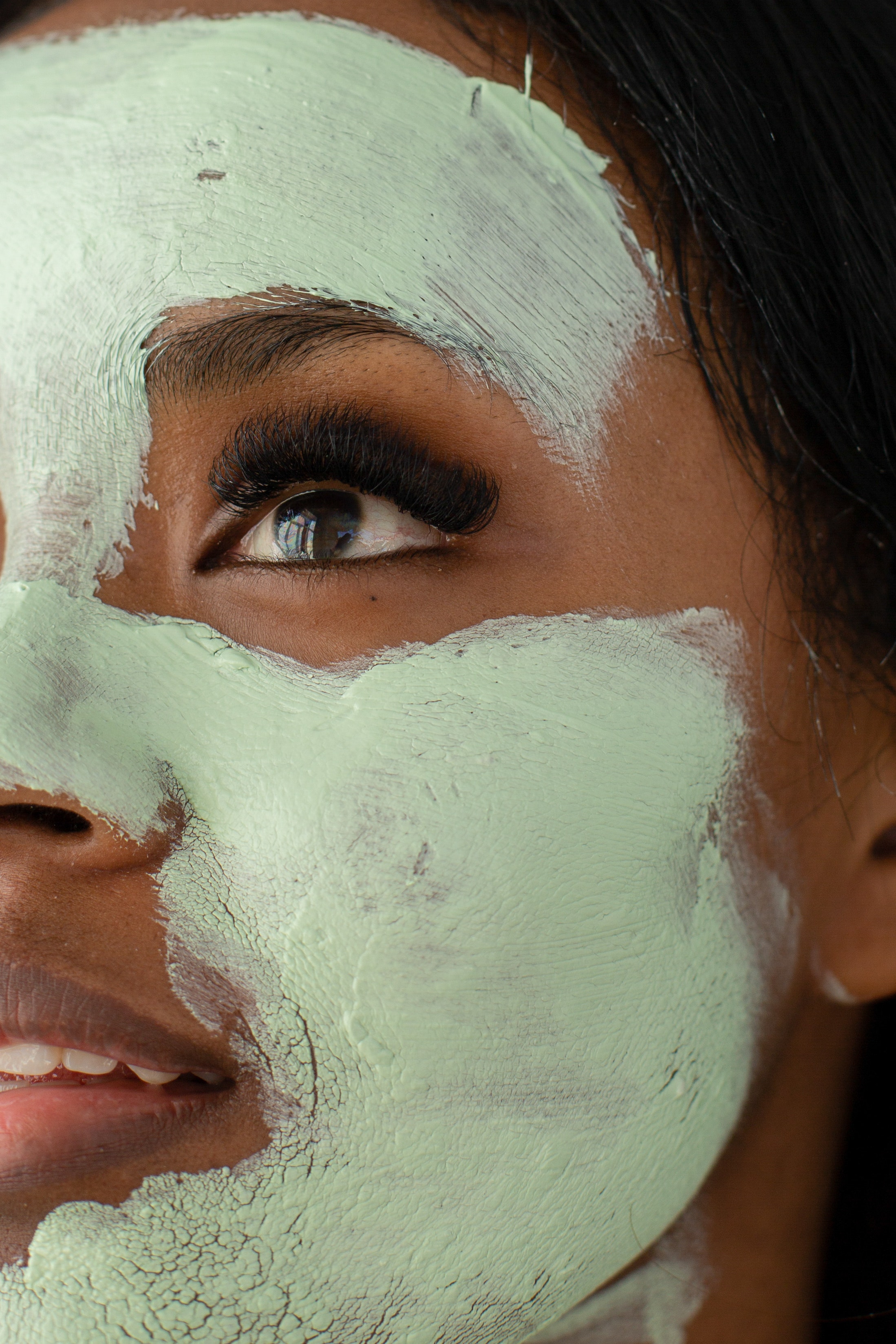
Creating a Skin Care Routine
Whether you have a three-step or nine-step regimen, everyone
may enhance their skincare by applying items in the correct sequence. Whatever
your skin issues, start with a clean, toned foundation, then administer
concentrated, active products, and end by sealing in moisture—and, of course,
SPF throughout the day. The following are the stages to an effective skincare
routine:
1. Cleanse your face. Rinse your face with water and massage
a tiny quantity of mild cleanser between clean hands every morning and night.
Gently massage the face wash all over your face. Rinse your hands and massage
your face with water until the cleanser and filth have been gone. Using a soft
towel, gently wipe your face dry. If you use makeup at night, you may need to
cleanse twice. First, use cleansing oil or micellar water to remove your
makeup. To prevent scratching your eyes, try keeping specialist eye-makeup
removers on for a few minutes to enable the makeup to come off more readily.
After that, gently wash your whole face.
2. Toner should be used. Apply toner after cleaning your
face and before doing anything else. Using your hands or a cotton pad, gently
swipe a few drops of toner over your face. If your toner exfoliates (removes
dead skin cells with chemicals such as glycolic acid), apply it only at night.
Hydrating formulations are safe to use twice a day. Exfoliating toner with
retinoids or other exfoliants should not be used at the same time.
3. Use serum. Morning is a perfect time to apply an
antioxidant serum, such as a brightening vitamin C serum, since it protects
your skin from free radicals that you'll meet throughout the day. Use a
hydrating serum containing hyaluronic acid at night to protect your skin from
drying out, particularly if you're taking anti-aging or acne treatments that
may irritate and dry up the skin. Exfoliants like as alpha-hydroxy acids (AHA)
or lactic acid may also be found in serums. Whatever you choose, remember that
water-based serums should be used before moisturizer and oil-based serums
should be applied after moisturizer.
4. Use eye cream. You may apply conventional moisturizer to
your under-eye region, but if you want to use a specialist eye cream, layer it
below moisturizer since eye creams are thinner than face moisturizers. To
reduce puffiness in the morning, use an eye cream with a metal roller-ball
applicator and keep it in the freezer. Using a moisturizing eye ointment at
night might induce fluid retention, resulting in puffy eyes in the morning.
5. Apply spot therapy. It's best to apply acne spot
treatments at night, when your body is resting and repairing itself. Layering
acne-fighting chemicals like as benzoyl peroxide or salicylic acid with retinol
might cause discomfort. Instead, do all you can to keep your skin calm and
moisturized.
6. Moisturize. Moisturizer moisturizes skin while also
locking in all of the other layers of product you've applied. For the morning,
look for a lightweight lotion with SPF 30 or higher. In the evening, a heavier
night cream may be used. Those with dry skin should use a lotion in the morning
and at night.
7. Use a retinoid. Retinoids (vitamin A derivatives like as
retinol) help diminish dark spots, breakouts, and fine wrinkles by accelerating
skin-cell turnover, but they can also be irritating, particularly to sensitive
skin. If you take retinoids, keep in mind that they degrade in the sun and
should only be used at night. They also make your skin more sun sensitive, so
sunscreen is a necessary.
8. Apply some face oil. If you use a face oil, use it after
your other skin-care products since nothing else will penetrate the oil.
9. Use sunscreen. Although it is the last step, almost every dermatologist will tell you that sun protection is the most crucial aspect of any skin-care plan. Skin cancer and indications of aging may be avoided by protecting your skin from UV radiation. Even if your moisturizer does not include SPF, you should still use sunscreen. To ensure that chemical sunscreens are effective, wait 20 minutes before going outdoors. Look for broad-spectrum SPF, which means your sunscreen will protect you from both UVA and UVB rays.
Also read: Things
you have to do to attend to your skin






Leave a Reply