
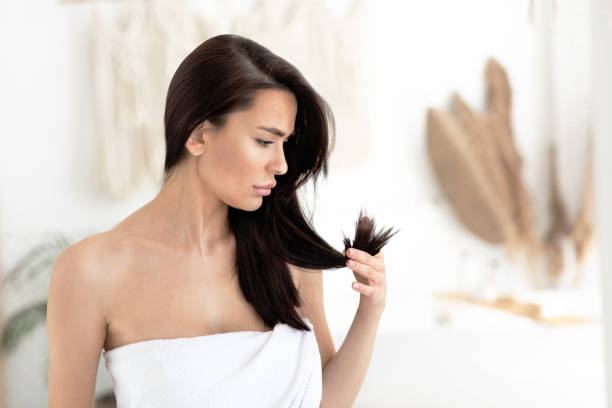
Combating Split Ends: Causes & Solutions
Split ends are a common hair issue caused by the fraying and
splitting of the hair shaft. There are several factors that can contribute to
split ends, including:
Heat styling: Excessive heat from styling tools like flat
irons, curling wands, and blow dryers can weaken the hair shaft and cause split
ends.
Chemical treatments: Chemical treatments like dyeing,
perming, and relaxing can also weaken the hair shaft and lead to split ends.
Lack of moisture: Dry hair is more susceptible to split ends
because it lacks the moisture needed to keep the hair shaft strong and
flexible.
Brushing and styling: Brushing or styling hair when it is
wet can cause breakage and split ends.
Environmental factors: Exposure to wind, sun, and cold
weather can cause hair to become dry and brittle, leading to split ends.
To combat split ends, there are several solutions you can
try:
Trim your hair regularly: Regular trims can help keep split
ends at bay by removing the damaged ends before they have a chance to split
further up the hair shaft.
Use heat-protectant products: Before using heat styling
tools, apply a heat-protectant product to your hair to help reduce the damage
from heat.
Avoid chemical treatments: If possible, avoid chemical
treatments that can damage your hair and cause split ends.
Moisturize your hair: Use a deep conditioning treatment once
a week to keep your hair hydrated and healthy.
Brush carefully: When brushing your hair, be gentle and
start at the ends, working your way up to the roots.
Protect your hair from environmental factors: Wear a hat or
scarf to protect your hair from wind and sun, and avoid exposing your hair to
extreme temperatures.
Use hair oils and serums: Hair oils and serums can help to
nourish and protect the hair shaft, reducing the risk of split ends.
By following these tips, you can help to reduce the risk of split ends and keep your hair healthy and strong. If you have persistent split ends despite trying these solutions, it may be a sign of a more serious hair issue, and you should consult a hair care professional for further advice.
Also read: The Role of Scalp Health






Leave a Reply